Meet San Francisco's 'permanent underclass' — and the ones who think they still have a shot
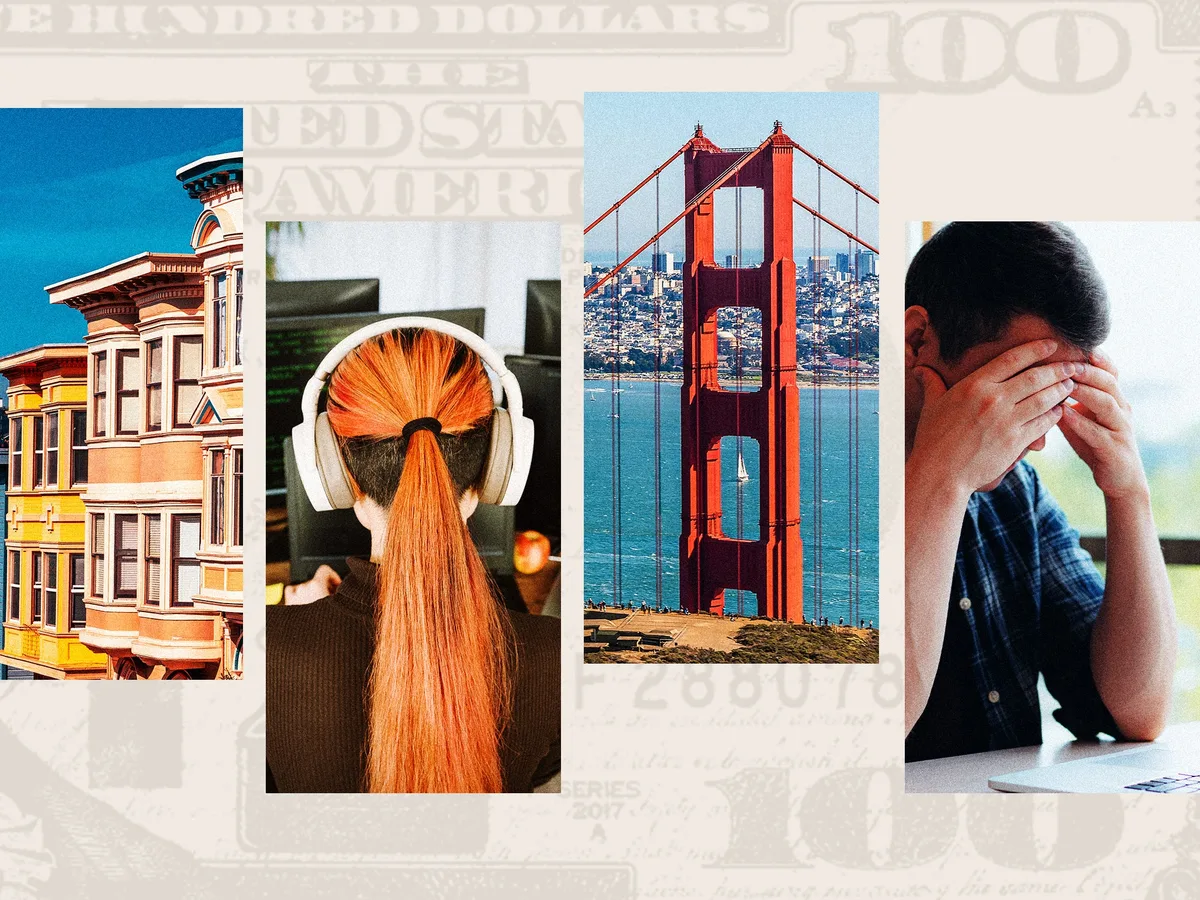
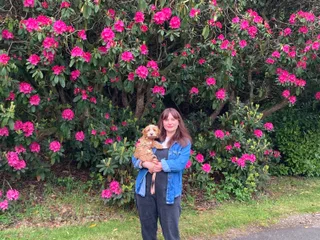
Getty Images; Tyler Le/BI Halfway through our interview with Kacie Barrett, a 26-year-old project manager in San Francisco, her screen froze.
When she came back on 30 seconds later, she apologized for the choppy WiFi, a result of downsizing her Xfinity internet package from $120 to $40 a month, which she splits with her housemate.
Though the slower internet package is a challenge when she works from home twice a week, Barrett said she's had to downsize much of her life over the past two years as the cost of living in San Francisco has skyrocketed due to the city's AI boom .
She moved from a $2,000 studio apartment in Russian Hill to a $1,850 room in a shared apartment in Nob Hill.
She cooks most of her meals, only goes out once a month, works out at the cheapest gym she could find, and Ubers everywhere instead of spending on a car.
"I definitely feel like I am living like a college student, not an adult," Barrett said.
The term " permanent underclass " has floated around the internet for months, referring to the idea that techies who don't make it to frontier artificial intelligence labs will fall behind their peers financially and professionally, to the point where they become serfs to their AI-new-money overlords.
It's been treated like a meme, with some leaders dismissing the phrase — OpenAI CEO Sam Altman called it "so dumb" in a July interview, and Andreessen Horowitz partner Anish Acharya said in September that it was a "funny dark fantasy." However, another group of San Franciscans feels like they are already living this reality.
It's not young techies or startup founders.
It's small-business owners and workers outside the tech sphere who, like Barrett, have called San Francisco home for years but now feel that life in the city has become an exclusive party they can't afford to get into.
The people left behind by the AI boom High salaries offered by AI companies like OpenAI, Anthropic, Thinking Machines Lab , Cognition, and Databricks are creating a concentration of wealth in San Francisco.
That's set to intensify when the looming IPOs of Anthropic and OpenAI mint overnight millionaires and billionaires — and the rest of the city's residents who work in service, small business, and other white-collar roles are left to compete.
Still, not everyone thinks the future is so grim.
Tushar Kumar, the cofounder of Twin Peaks Wealth Advisors, who works with clients at OpenAI and Anthropic, said he doesn't see much merit in the idea of a permanent underclass and that smaller companies and startups will build on emerging technologies and succeed in the long run.
5News aggregated this summary from the outlet’s public feed. The full article, with all the context, is on www.businessinsider.com — the content belongs to Business Insider.