Wearables are getting a taste of much-needed minimalism
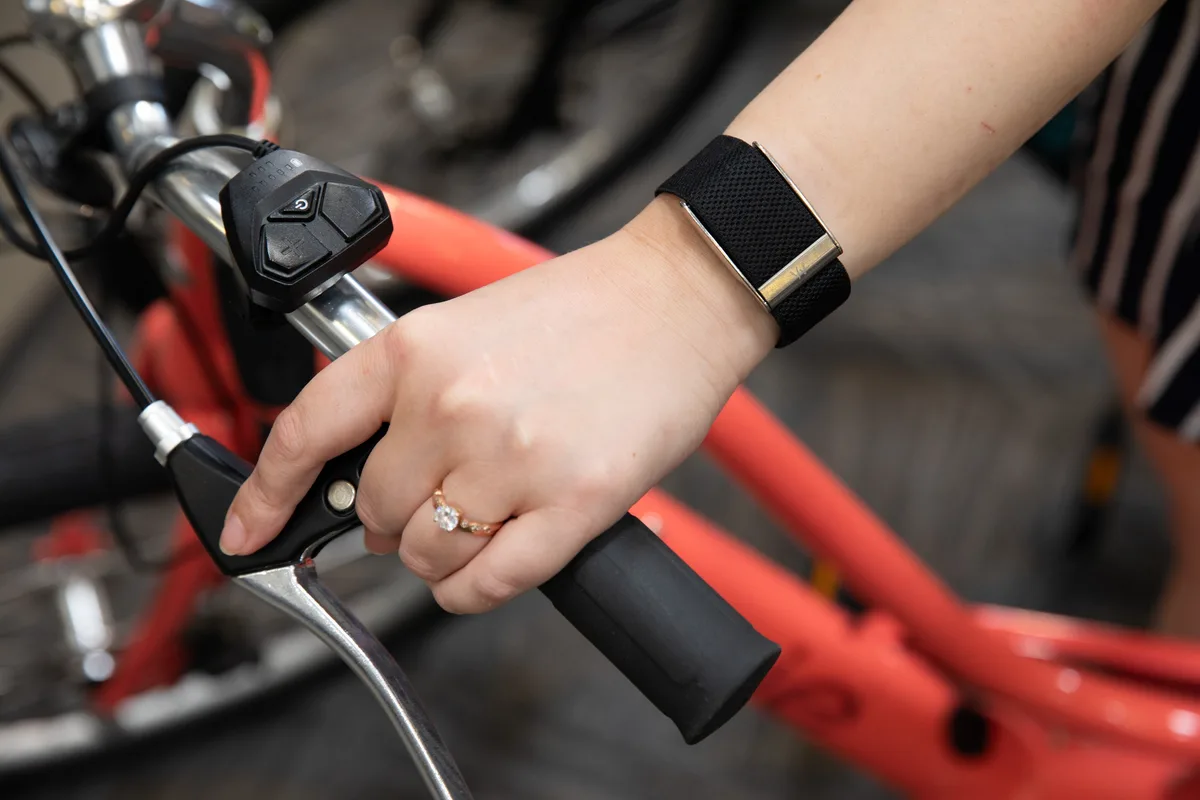
Going screenless proves you can afford to be intentionally inefficient.
During my summer vacation, I went in on the screenless wearable life. These past two weeks, I wore the Fitbit Air and the Garmin Cirqa on my right wrist. My right index finger was home to the Oura Ring 5. In my right arm, a Dexcom G7 continuous glucose monitor. If I did whip out a pair of smart glasses, I opted for the display-free Meta Glasses. The wearable data generated? A metric crapton. The number of times one of these wearables bothered me about it? Exactly once — and that was a fluke. (The G7 thought my blood sugar was perilously low. What actually happened: My 20lb cat triggered a false alarm while napping on my arm.)
After years of never-ending, nagging notifications, the wearable silence was glorious.
This silence is why smart rings are taking off and fitness bands are making a comeback. You don’t have to sacrifice the health data tracking, but you can minimize how often you interact with any given device.
Minimal trackers aren’t new. The first wearable bands collected data, but you primarily interacted with the data via a companion app on your phone. Most had tiny screens that did little more than tell you the time, heart rate, and step count. This was okay for fitness, but not so useful for anything else. Eventually, trackers gave way to smartwatches because the latter could do more. They served as a form of notification triage, a backup line of communication for your phone, and a fitness tracker. You got more bang for your buck. Part of that was a bid to keep you engaged. In theory, the more you can do or track on a smartwatch, the more trapped you are within a particular gadget ecosystem.
Except over the last two or three years, I’ve noticed more and more of a certain type of request from readers. Tech-savvy folks who used to want wrist computers started asking for a return to simpler wearables. Apple Watch users started querying about the Oura Ring life. Garmin devotees asked whether the Whoop subscription was worth it. And after mulling it over, I don’t think it’s because everyone suddenly wants fewer features or less health data. My hunch is that two things are at play: intense data fatigue, and minimalism as a status flex.
I’ve written about this before, but with data, more is not always better . Even so, wearable tech makers have to appease investors who like to see lines go up. That often means churning out iterative software updates that claim to improve your health (and therefore, extend or save your life). It’s why we’re seeing health tech companies racing to be the first to provide insights on blood pressure, new sleep metrics, and metabolic trends derived from urine, blood, and any bodily fluid you’re willing to part with . But the “default” user experience, as of late, is increasingly tedious. It’s endlessly scrolling through cluttered graphs and widgets in what was once a simple health dashboard. It’s correcting your AI health coach because it’s drawing the wrong conclusions from your data.
5News aggregated this summary from the outlet’s public feed. The full article, with all the context, is on www.theverge.com — the content belongs to The Verge.