AI has arrived in South Africa’s boardrooms – but company law hasn’t caught up
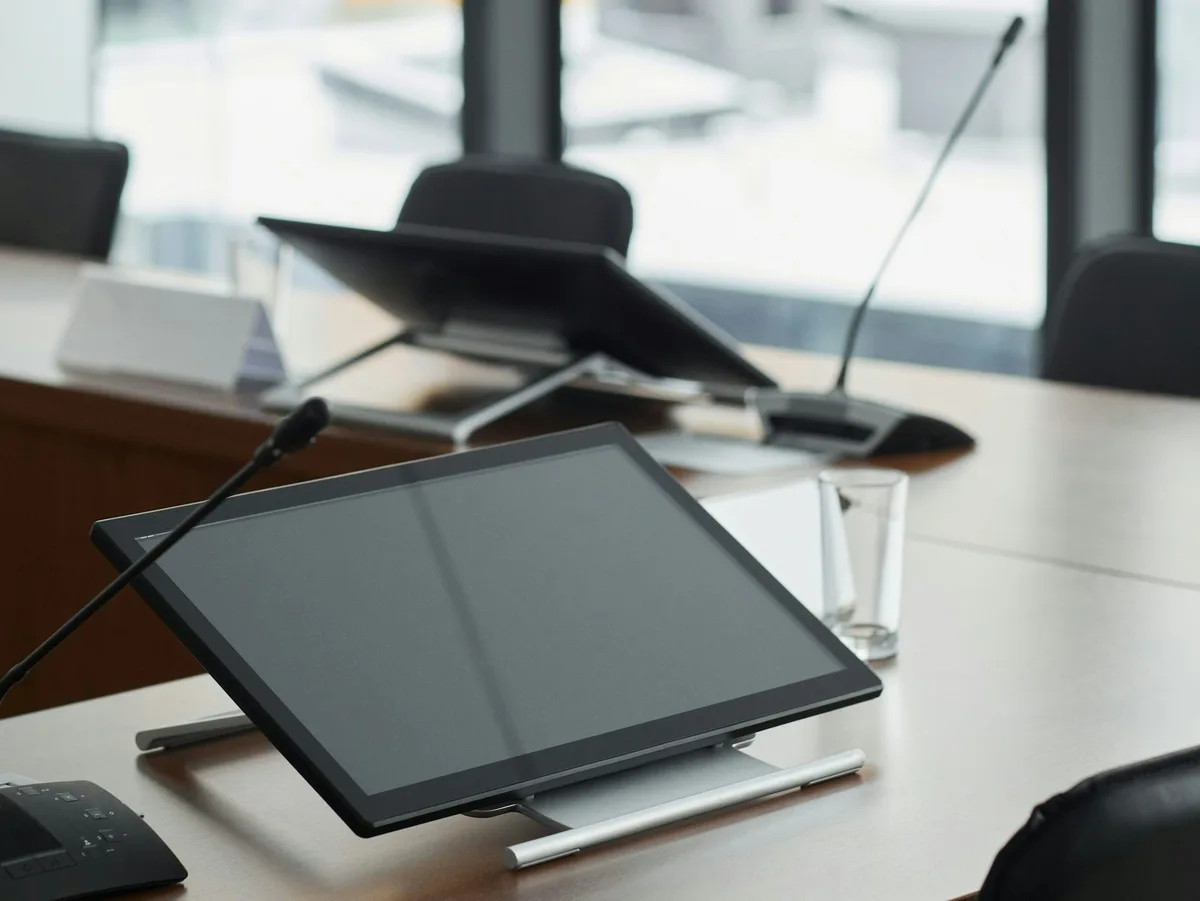
Werner Pfennig/Pexels AI is beginning to influence how boards of directors make decisions in South African companies .
Directors use it to do things like assess financial information, predict market trends or identify potential risks before making strategic decisions.
But there is a problem.
South African company law does not regulate its use by boards.
This matters in relation to the rules governing directors’ duties and responsibilities.
Many countries already regulate AI through binding legislation.
For example, the European Union , South Korea and Vietnam adopted comprehensive AI laws.
Other countries such as China introduced more targeted AI regulations.
As a company law researcher, in a recent paper I looked at four company law implications of AI use in South African boardrooms: whether by consulting AI the board will be regarded as having complied with its fiduciary duties whether directors can rely on the business judgment rule in section 76(4) of the Companies Act when AI-assisted decisions result in negative consequences for the company whether directors can lawfully delegate their functions to AI, and rely on AI-generated advice without incurring liability for incorrect decisions made by those systems who is liable when AI errors cause harm to third parties.
In other words, who is legally responsible for the consequences of decisions that AI makes? My findings show that current South African law provides little guidance on these issues.
As AI becomes part of everyday business, this gap is becoming a legal and governance challenge.
Clear legal rules are urgently needed to prevent a legal vacuum being created in South African boardrooms.
How AI can assist boards There are different ways in which boards can use AI to manage companies and make decisions.
The simplest form is assisted AI .
5News aggregated this summary from the outlet’s public feed. The full article, with all the context, is on theconversation.com — the content belongs to The Conversation Africa.


