DAVID WOLPERT | The chicken import South Africa cannot do without
South Africa imported almost 240,000 tonnes of mechanically deboned chicken meat (MDM) in 2024. More than 90% came from Brazil.
At first sight those figures might appear to strengthen the argument that South Africa is far too dependent on imported poultry and should be producing more of it at home. Yet in the case of MDM they demonstrate almost the opposite.
South Africa produces virtually no MDM commercially. This is not because Brazilian imports destroyed a once-thriving local MDM industry. Local poultry producers generally obtain greater value by selling the carcasses and offcuts from which MDM would be manufactured as soup packs and other products.
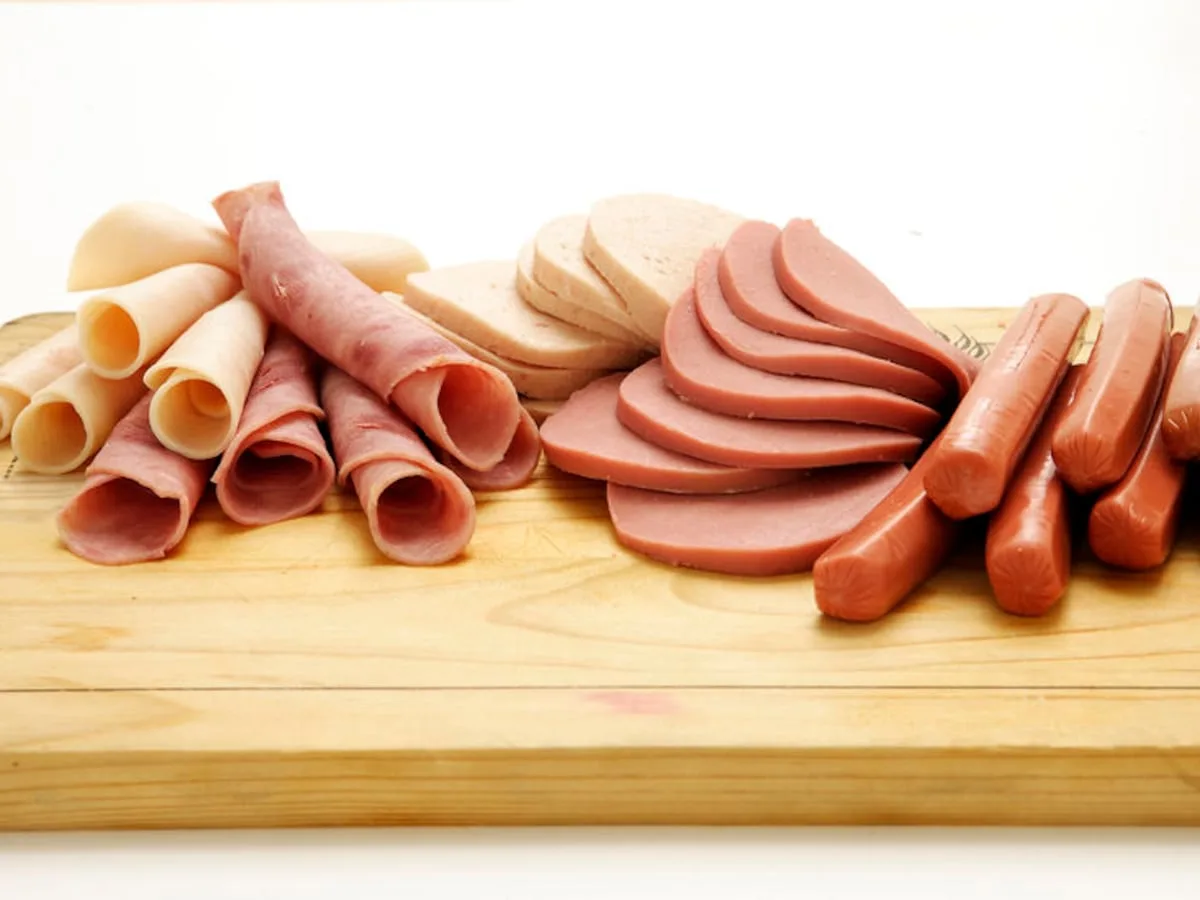
That makes commercial sense. But South Africa’s meat-processing industry still needs enormous quantities of MDM to manufacture polony, vienna sausage and other affordable processed meats. If local poultry producers do not produce it in sufficient quantities, processors have little alternative but to import it.
That distinction matters because South Africa’s long-running poultry debate too often treats every imported kilogram of chicken as though it displaces a kilogram that could have been produced profitably by a South African farmer. It does not.
There is a legitimate case for protecting local producers against dumping and unfairly subsidised imports that compete directly with products manufactured in South Africa. But an imported raw material South Africa does not produce in anything approaching the quantities required is a quite different matter.
The consequences became apparent in May 2025 when highly pathogenic avian influenza was detected at a commercial poultry establishment in Brazil, and South Africa suspended imports of Brazilian poultry for biosecurity reasons.
Brazil was then supplying the overwhelming majority of South Africa’s imported MDM. Suddenly the country confronted an unusual problem. South Africa had enough chickens. It did not have enough of the particular chicken product its meat processing industry required.
The government acknowledged that while sufficient slaughter chickens were available locally, the Brazilian suspension threatened the affordability and availability of processed meats and pet foods.
That episode illustrates a far wider economic principle. Food security and food self-sufficiency are not the same thing. Sometimes imports compete with domestic production. Sometimes they supplement it. And sometimes they supply a product the domestic economy does not produce efficiently or in sufficient volume.
Good trade policy must distinguish between the three. MDM is produced by mechanically recovering the meat remaining on poultry bones after the more valuable cuts have been removed. It is inexpensive and particularly suited to processed meat manufacture.
South African poultry producers face a straightforward commercial choice.
5News aggregated this summary from the outlet’s public feed. The full article, with all the context, is on www.businesslive.co.za — the content belongs to Business Day.