Scientists transplant lab-grown human brain tissue into mice
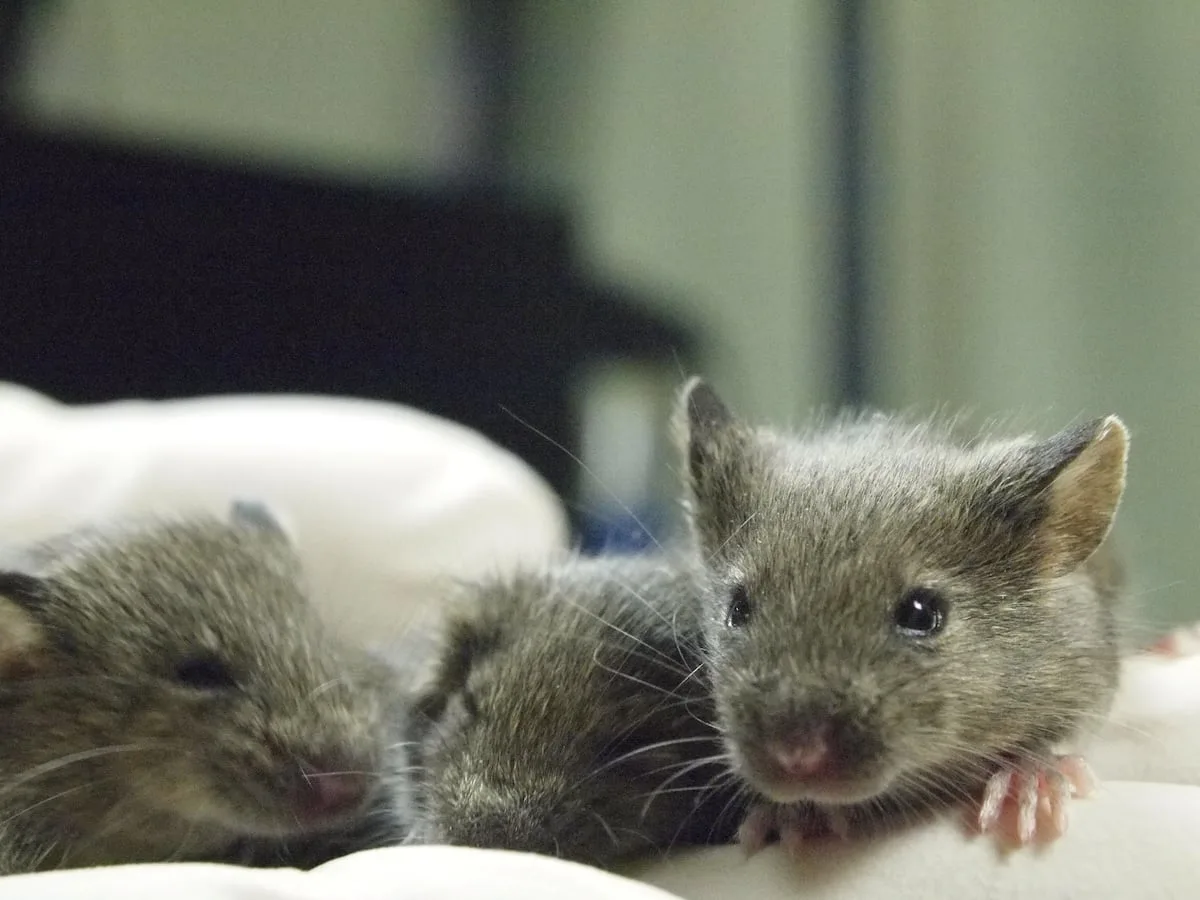
Scientists have transplanted laboratory-grown human brain tissue into bioengineered mice in what they call an important advance for studying human brain development that may speed research into the causes and mechanisms of devastating disorders such as profound autism, epilepsy , cerebral palsy and schizophrenia.
The researchers said the human tissue replicated key features of brain development including formation of functional neural networks after being transplanted into mice engineered to lack most of their own cerebral cortex, the brain’s outermost layer. They said this is significant because living human brain tissue is essentially inaccessible for research purposes for ethical reasons.
“This gives us a way to study human neural tissue across several levels, from genes and individual cell types to circuits and functional consequences in an animal. We can begin to ask how disease-associated human genetic changes alter neural development and circuitry and whether potential treatments can prevent or correct those changes,” said Stanford University neuroscientist Sergiu Pasca, senior author of the study published on Wednesday in the journal Nature .
The researchers in laboratory dishes fashioned miniaturised, three-dimensional “organoids” designed to reproduce key cell types and developmental features of the human cerebral cortex. This part of the brain governs higher-level functioning such as cognition, language, attention and decision-making.
They did so by reprogramming skin or blood cells to become stem cells capable of transforming into almost any cell type in the body.
In bioengineering the mice, the scientists employed a genetic strategy that blocked development of most of the cells that normally give rise to the cerebral cortex and the hippocampus, a brain structure crucial for memory formation.
“The space normally occupied by the mouse cortex allowed us to transplant human cortical organoids shortly after birth and gave the human tissue room to grow extensively,” Pasca said. “In these mice, the human grafts generated a broad diversity of cortical cell types and established functional connections throughout the mouse nervous system.”
Descriptions such as humanised mice, mice with human brains or mini-brains are not accurate representations of what we have created. These animals retain a mouse nervous system, but they contain a larger volume of human cortical tissue that develops, integrates and forms connections within it.
The kinds of cortical cells generated included a rare type, called von Economo neurons, considered vulnerable in some forms of dementia.
“One point I would emphasise is the terminology,” Pasca said. “Descriptions such as humanised mice, mice with human brains or mini-brains are not accurate representations of what we have created. These animals retain a mouse nervous system, but they contain a larger volume of human cortical tissue that develops, integrates and forms connections within it.”
The researchers called them “xenocortical” mice, referring to the “foreign” transplanted human cortical tissue.
“Cortical organoids give us an experimental window into human brain development and disease.
5News aggregated this summary from the outlet’s public feed. The full article, with all the context, is on www.timeslive.co.za — the content belongs to TimesLIVE.