OBITUARY: The quiet authority of Khulu Phasiwe, the voice South Africa heard in the dark
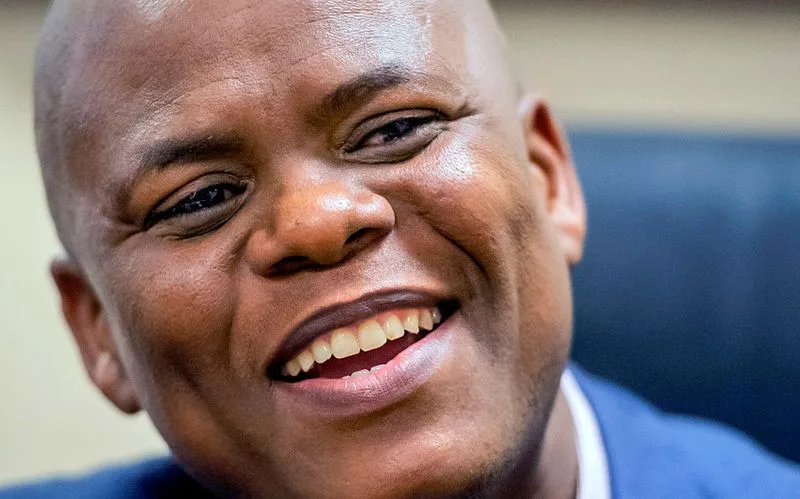
A widely respected and admired journalist, communicator and spokesperson, Khulu Phasiwe’s time at Eskom during the load shedding years was marked by composure and candour – a trusted voice who handled complex operational matters with professionalism, commitment and integrity.
The once shy financial journalist who later became the definitive public voice of South Africa’s electricity crisis has died. Khulu John Bolekwa Phasiwe passed away on Sunday, 4 October, at the age of 52. Just three months earlier he was appointed head of corporate affairs and communications at the Air Traffic and Navigation Services. Phasiwe died after suffering a seizure, and according to his family he had been battling with them for several years leading up to his passing.
For many South Africans, his voice belonged to the years when the lights went out without warning. He was the go-to man journalists called when Eskom had to explain another failure at a power station, another stage of load shedding or another day in which the country’s electricity supply could not be taken for granted. The job required him to defend an institution under sustained attack without pretending that its problems were smaller than they were.
It was an unbearably stressful environment, but he handled it in a manner that became part of his reputation: calm, available and exacting about facts. The National Press Club said he had retained a “helpful and measured manner” even as the scrutiny intensified. He understood, they said, that the media had an important role and made himself available to journalists trying to make sense of “complex and often rapidly changing developments”.
That combination of composure and candour was formed before he entered corporate communications. Phasiwe began as a journalist. Rams Mabote, a friend who worked in energy consulting, recalled first knowing him as a young reporter on Business Report in the late 1990s. When Mabote was consulting for the National Electricity Regulator, the predecessor of the National Energy Regulator of South Africa, and Phasiwe was at Business Day, their professional relationship deepened.
Phasiwe was, Mabote said, one of the very few black journalists immersed in energy matters, an area that “was always the monopoly of white reporters”. He remembered a man who “never made noise to be heard” and “never wrote lies or exaggerations to be noticed”. He did his work “as a professional. Always with that childish smile and a boyish voice. But always with the authority of a professional.”
The tension between the soft-spoken man and the hard subject was central to Phasiwe’s career. His friend, Xolisile Nxumalo, recalled that when other spokespeople were hiding during load shedding, Phasiwe was still picking up the phone. At 8pm on a Sunday, during Stage 4 outages, “he would still respond”. Many government communicators learnt from him, Nxumalo said, that being a spokesperson was not about defending an organisation at all costs. “It’s about respecting the public.”
Pat Makape, another friend, met him at Wits in 1996.
5News aggregated this summary from the outlet’s public feed. The full article, with all the context, is on www.dailymaverick.co.za — the content belongs to Daily Maverick.