Disaster resilience in SA depends on connecting institutions, resources and communities
To build true disaster resilience there needs to be genuine collaboration between existing institutions and grassroots communities, and the integration of local knowledge and shared responsibility into public safety systems.
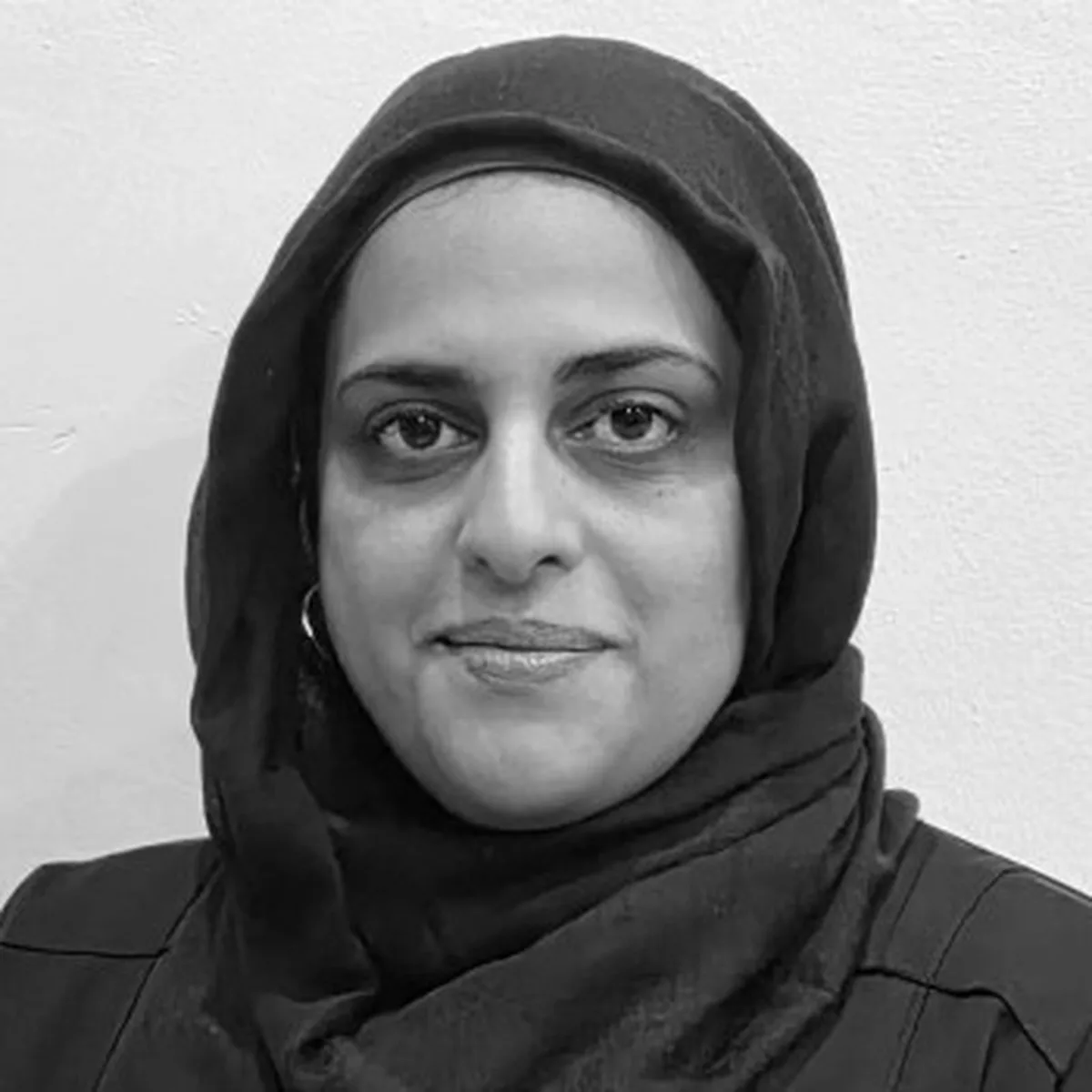
Dr Haseena Majid is a Global Atlantic Fellow for Health Equity and Social Justice at the Atlantic Institute and Director of USAWA for Learning and Healing, a South African nonprofit organisation focused on social justice, health equity and community resilience.
In August 2026, catastrophic flooding in Nepal killed at least 1,455 people, with thousands still missing.
Floods in Mokwa, Nigeria , killed 151 people and displaced approximately 3,000 others in May 2025. The following July, flooding in Texas claimed more than 130 lives. Closer to home, more than 100 people died in the Eastern Cape floods of June 2025. Across these disasters, the loss extended to homes, livelihoods, public infrastructure and the security of entire communities.
As heavy rainfall becomes more intense in a warming climate, resilience must become part of everyday life. The waste discarded into a stormwater drain, the maintenance of that drain, the planning decisions that determine where people live and the protection of surrounding ecosystems all influence disaster risk. Individual behaviour matters, as do municipal services, infrastructure investment and the decisions made across government.
South Africa already has a substantial disaster management system. The Disaster Management Act, National Disaster Management Framework, disaster management centres, coordinating forums and municipal plans establish responsibilities for prevention, preparedness, response and recovery. Legislation recognises community participation, indigenous knowledge and the particular needs of vulnerable groups. Considerable institutional knowledge and experience have accumulated within these arrangements.
The pressing question is how effectively this collective capacity functions when responsibilities intersect. Information about environmental risks, infrastructure, vulnerable households, available resources and community organisations may be held across different institutions. Each may possess valuable knowledge and fulfil its own responsibilities, while the wider system struggles to connect what is known with what needs to happen. A system’s capacity to respond depends on its ability to recognise relationships, understand responsibilities and sustain coordination beyond individual officials.
The ability to prepare for a disaster and recover afterwards is closely tied to the resources people have available. Families with insurance, savings and transport have more options to protect themselves and recover. For households facing insecure housing, unemployment or limited access to services, a flood can interrupt schooling, healthcare and income for months or years. The people with the fewest resources often depend most heavily on the quality of collective preparedness and institutional response.
Communities already carry considerable responsibility for their own safety.
5News aggregated this summary from the outlet’s public feed. The full article, with all the context, is on www.dailymaverick.co.za — the content belongs to Daily Maverick.