EXPLAINER | Why home affairs withdrew asylum applications directive
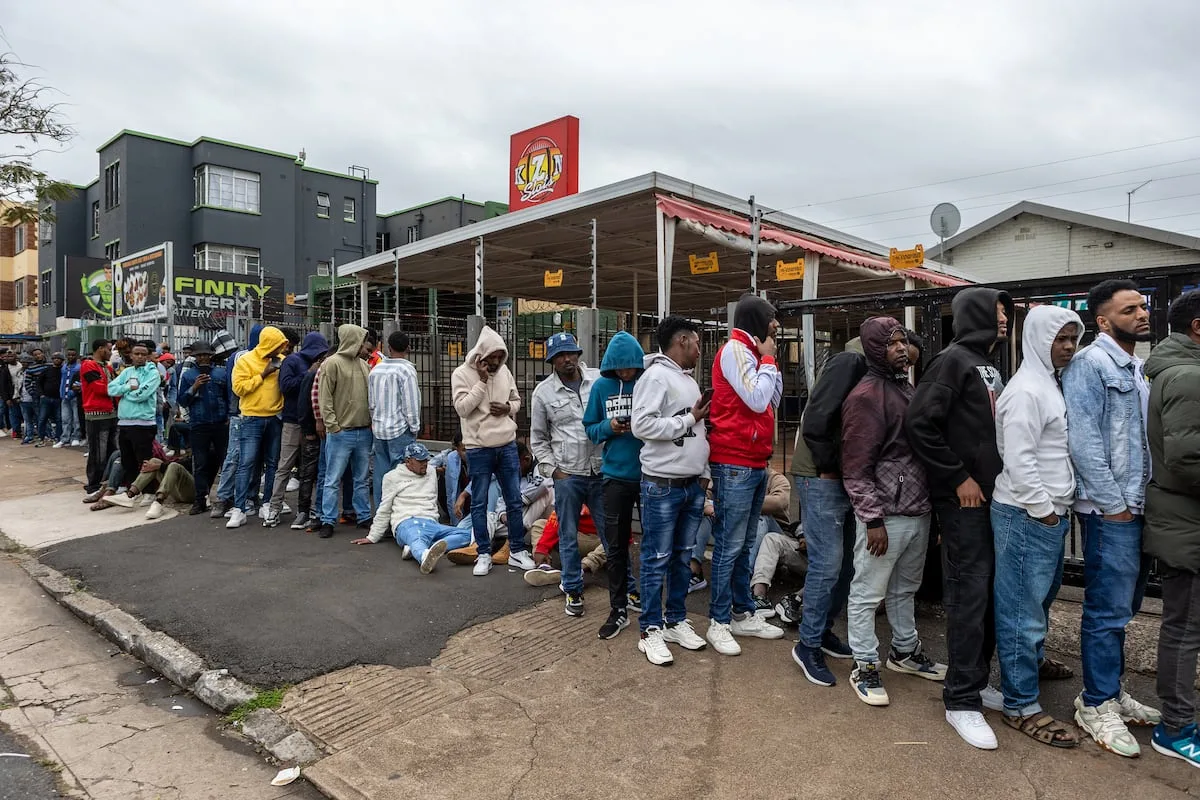
The department of home affairs has withdrawn a September 28 directive to refugee reception offices on accepting asylum applications , saying its implementation had overwhelmed offices and raised concerns about officials’ safety and public order.
The directive was issued to help implement a Constitutional Court judgment in the “Scalabrini Centre of Cape Town” case.
Its withdrawal does not overturn the ruling, and the department says it is committed to complying with it.
According to home affairs spokesperson Thulani Mavuso, the directive was issued by director-general Tommy Makhode to all refugee reception offices (RROs) “as a purely operational attempt to support the implementation of the court’s order”.
“It was issued without reference to, or the knowledge of, the minister of home affairs or any other political office-bearer.
“Claims that it was a politically motivated decision are therefore categorically untrue,” Mavusa said.
The Constitutional Court ruled on July 7 that procedural non-compliance cannot, on its own, prevent an asylum seeker’s claim from being assessed on its merits.
Mavuso said the department’s attempt to implement the ruling had led to serious consequences that could not be predicted.
“Refugee reception offices operations were overwhelmed within a matter of days of the directive being issued, home affairs officials were placed at risk, and serious threats to public safety and order had emerged,” he said.
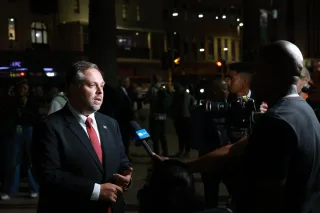
Home affairs minister Leon Schreiber said the department respected the court’s judgment, despite disagreeing with aspects of it.
“We are saying in the subsequent case that we don’t agree that we should be releasing people pending this particular process. We should have the power to detain, based on certain rules, of course, and that is what we are taking forward in this process.
“We are the ones who carry the can. We are the ones who have our officials at risk. We are the ones who have our officers overwhelmed. We are the ones who risk our processes grinding to a halt,” Schreiber added.
He said the department had approached the courts because the system had become overwhelmed by judgments and orders.
“We immediately reached out to the courts to say, really, now our life is just impossible because you’ve already asked us to do this massive change, and now one judgment says that people must be released while their asylum application is processed,” he said.
5News aggregated this summary from the outlet’s public feed. The full article, with all the context, is on www.sowetanlive.co.za — the content belongs to Sowetan.