WHERE TO INVEST: Growthpoint has a V&A Waterfront valuation problem
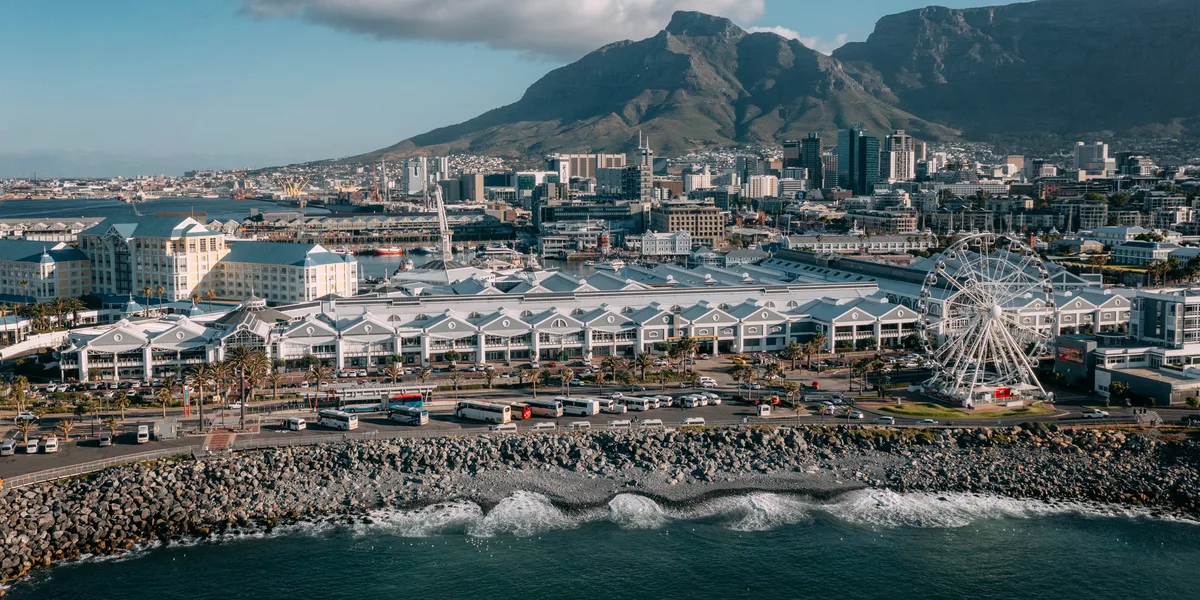
The V&A Waterfront is thriving, but Growthpoint’s valuation isn’t. Strong Cape Town growth is offset by struggling Gauteng offices and modest earnings guidance and portfolio complexity have investors questioning whether Growthpoint’s diversification is an advantage or a drag on its valuation.
If you look at the total universe of listed property companies on the JSE, you’ll find NEPI Rockcastle at the top of the pile with a market cap of R102-billion. But because this enormous real estate investment trust (REIT) is dual-listed on the JSE and the Euronext Amsterdam, Growthpoint is given a juicy PR loophole that allows it to claim the title of being the largest primary-listed REIT on the JSE (with a market cap of R55-billion).
Growthpoint might have to apply some creativity in its efforts to be seen as the apex predator in the property space, but there’s zero doubt that it holds the keys to the best property in South Africa: the V&A Waterfront. The debate among investors is whether access to that asset is worth dealing with the rest of the noise in the Growthpoint portfolio.
For the year ended June 2026, Growthpoint’s distributable income grew by just 4.4% to R5.2-billion. That’s not an exciting growth rate compared with the high single-digit (and sometimes double-digit) income growth being reported by a number of other JSE-listed REITs. Size is one thing, but equity investors want to see their dividends increasing over time.
Just how good is the V&A within the broader portfolio? Well, Growthpoint’s 50% share of distributable income from that asset increased by 19.0% to R964.7-million. The precinct contributed about 18.5% to group income, a percentage that will increase if the current trajectory continues. For further context, 22.1% of Growthpoint’s distributable income per share in this period was from offshore sources.
The tourism market in the Western Cape is an obvious boost to the performance at the V&A, contributing to the like-for-like growth in net property income of 10.6%. The gap between like-for-like and total growth was mainly the result of once-off development profits from residential sales at 5 Dock Road. Such was the profitability of this development that they more than offset the impact of the closure of the Table Bay Hotel during its redevelopment.
As a globally recognised destination, the precinct attracts high property prices and plenty of footfall. Alongside the Government Employees’ Pension Fund (GEPF) as co-owner of the V&A, Growthpoint has leaned into this opportunity by developing revenue streams that go well beyond traditional retail space. The underlying hospitality, tourism, leisure and related businesses within the broader precinct now contribute 20% of its total income, up from 16%.
This is a very helpful growth driver, but it does increase the group’s exposure to earnings driven by variable factors like tourism. To be fair, the entire precinct faces those risks anyway, as the success of the V&A Waterfront certainly isn’t being driven by the immediate catchment area of locals.
5News aggregated this summary from the outlet’s public feed. The full article, with all the context, is on www.dailymaverick.co.za — the content belongs to Daily Maverick.