EXPLAINER: What to know about the refugee ruling that sparked riots in Durban and Soweto
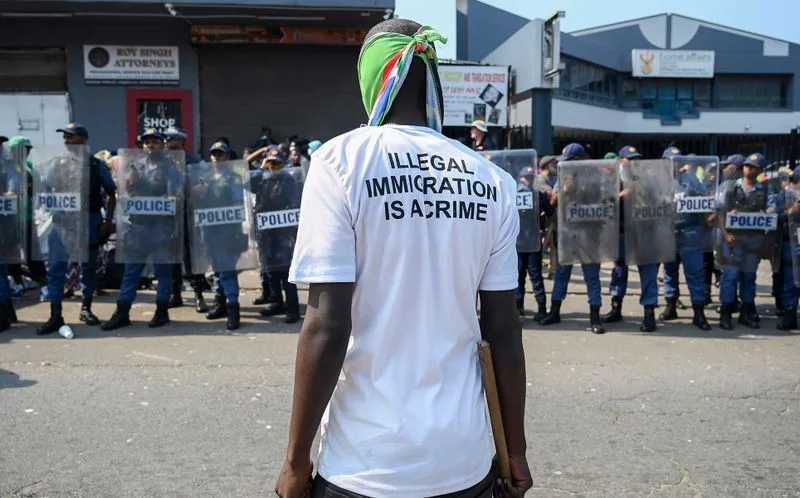
Violent protests erupted in Durban and Johannesburg this week following widespread misinformation about a Home Affairs directive on how asylum seekers should be processed. Here’s what you need to know.
A total of 24 cars were torched during protests in Durban and Soweto on Thursday, 8 October 2026. To understand the violence, we have to go back to a court ruling on asylum seekers and the anti-foreigner movement that has been building throughout the year.
In July, the Constitutional Court declared certain provisions of the Refugees Act unconstitutional and invalid. The ruling said specific procedural barriers to lodging an asylum claim must be removed.
In late September, Home Affairs issued a directive to implement that ruling. That led to the violence in Durban and Soweto, which was amplified by online misinformation.
On Friday, the director-general of the Department of Home Affairs withdrew the directive. The department says it will start from scratch to draft a sustainable plan that meets the requirements set by the Constitutional Court.
On Tuesday, 6 October, members of March and March disrupted asylum applications at the Durban Refugee Reception Office on Che Guevara Road, where hundreds of people had queued to apply for asylum.
Anti-foreigner protests in Durban have continued throughout the week, with violence escalating. People have been injured and multiple vehicles have been torched while foreign-owned shops have been looted.
In Soweto on Thursday, anti-foreigner demonstrators clashed with foreign shop owners amid reports of gunshots and property destruction. Vehicles were also set alight.
Protesters gathered outside the Constitutional Court in Braamfontein on Friday, 9 October. The riot, which drew more than 300 anti-foreigner demonstrators, escalated and became violent. A vehicle was torched and police fired rubber bullets to disperse crowds.
The Refugees Act required asylum seekers to enter South Africa through a designated port of entry to receive an asylum transit visa, which is valid for five days. Within that period, they were required to present themselves at one of the five refugee reception offices and to lodge an application for asylum.
If they were unable to do so, asylum seekers had to provide immigration officers with “compelling reasons” or show “good cause” for not following the prescribed process.
If unsatisfied with an explanation, officers could prevent an individual from lodging an application or reject them on the spot.
The court found that these procedural barriers could prevent genuine asylum seekers from accessing a merits-based assessment of their claim, particularly given the constitutional right to dignity and the principle of non-refoulement, which prevents states from returning people to countries where they face persecution or other serious harm.
On 28 September, Home Affairs issued a directive instructing refugee reception offices to receive people who report in person and indicate that they intend to apply for asylum, and to help them lodge their applications.
5News aggregated this summary from the outlet’s public feed. The full article, with all the context, is on www.dailymaverick.co.za — the content belongs to Daily Maverick.