South African bus drivers flock to Ireland amid EU shortage
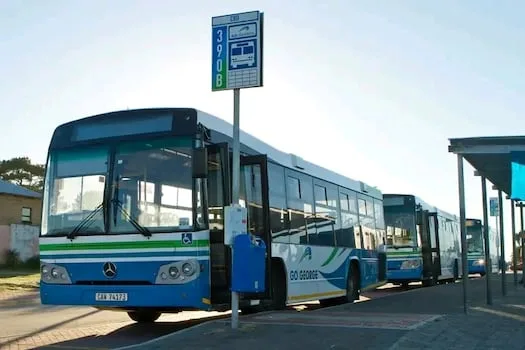
South African bus drivers are leaving in droves to seek greener pastures in Ireland, while the EU faces an acute shortage of drivers. And local truck drivers are set to follow suit.
Dublin Bus, the Irish state-owned bus operator providing services in Dublin, has led the charge in recruiting South African bus drivers, who are reportedly joining at a rate of six per week.
“Like other transport companies, Dublin Bus is operating in a tight labour market, with driver shortages in Ireland and across the EU . As part of our ongoing recruitment efforts, we have explored additional ways to recruit drivers, including recruiting from overseas,” a spokesperson for Dublin Bus told Business Times.
“To date, we have hired 93 new drivers from South Africa. One of the benefits is that there is a licence exchange agreement in place with Ireland, and these drivers are already qualified professional D-licence bus drivers who drive on the same side of the road as we do in Ireland.
“Dublin Bus currently has 4,650 employees, three-quarters of whom are bus drivers, and our employees come from over 90 different countries of origin.”
The European Commission has warned that the bloc, which is South Africa’s largest trading partner, is grappling with “a severe and escalating shortage of professional commercial truck and bus drivers driven by the ageing of existing drivers and the lack of sufficient young ones”.
The commission earlier this year published a comprehensive study by the International Road Transport Union (IRU) on the recruitment and integration of professional bus and truck drivers from third countries into the EU labour market.
The study found that the EU road transport sector is facing a severe and worsening shortage of professional drivers, estimated at about 500,000 unfilled positions, driven by an ageing workforce and an insufficient inflow of new talent.
“Considering the growing demand for skilled workers, the EU acknowledges that its domestic workforce alone cannot meet this demand, making the managed legal migration of jobseekers from third countries a crucial component in addressing labour shortages,” the study says.
“The study aims to collect information on the procedures and requirements that third-country nationals encounter in EU member states to be employed by EU operators, with a view to sharing good practices. In addition, this study looks at the skills and certificates that professional bus and truck drivers from 23 selected third countries are expected to have and compares them with the EU’s minimum requirements for professional drivers.
Considering the growing demand for skilled workers, the EU acknowledges that its domestic workforce alone cannot meet this demand, making the managed legal migration of jobseekers from third countries a crucial component in addressing labour shortages
“The shortage of commercial drivers poses a challenge not only to the EU road transport sector but also to the wider EU economy and trade. The sustainability and growth of this vital sector are at stake.”
South Africa was flagged as one of the countries from which to recruit commercial drivers.
5News aggregated this summary from the outlet’s public feed. The full article, with all the context, is on www.businesslive.co.za — the content belongs to Business Day.