Factory output slumps 4.3% as fuel prices surge
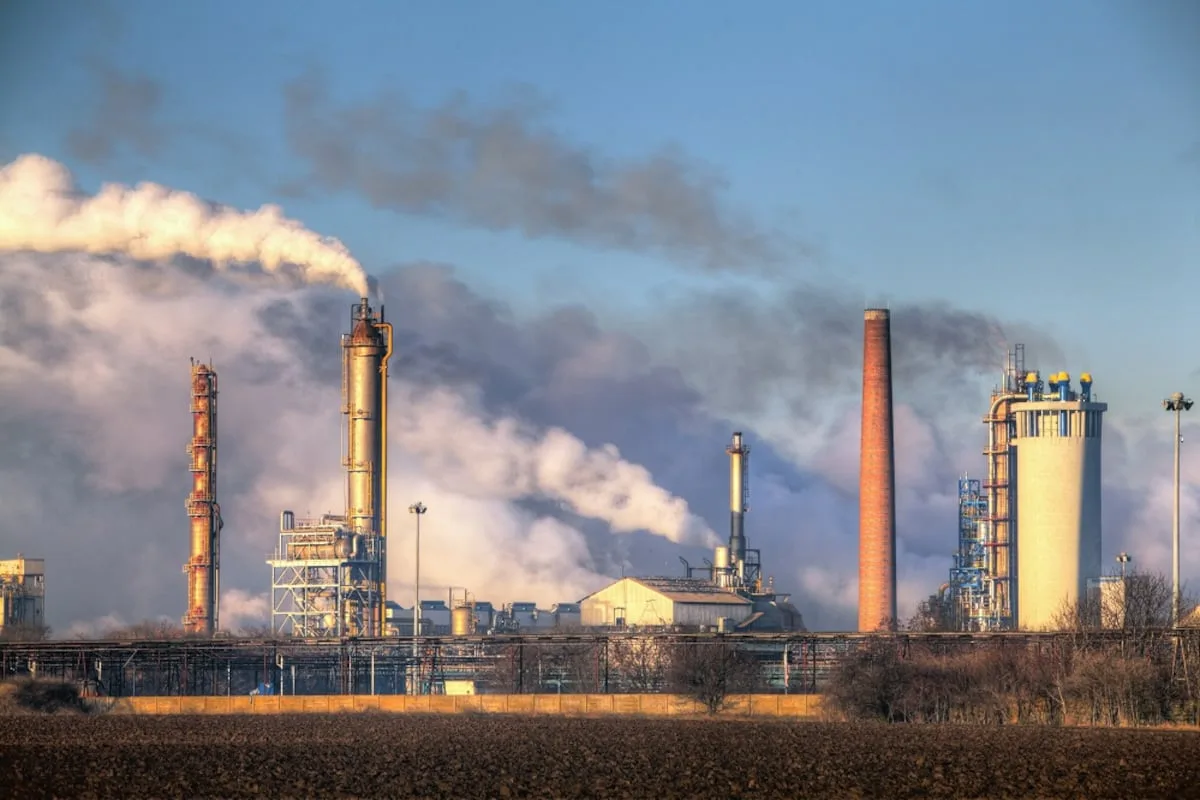
Manufacturing production slumped 4.3% year on year in August, dragged down by several divisions, including petroleum, motor vehicles, wood, food and beverages, as well as basic iron and steel, Stats SA said on Thursday.
The sector has been on a weakening trend since April, snapping that only in July, as producers grapple with higher input costs linked to the steep fuel price increases that have rocked the country due to the US war against Iran.
The latest numbers also suggest that factory production, which accounts for about 12% of GDP, will again restrain economic growth in the third quarter of the year after contributing to a 0.2% contraction in the second.
The largest contributor to the August decline was the petroleum, chemical products, rubber and plastic products division, in which output fell 5%, accounting for minus 1.1 percentage points of the headline number, Stats SA said.
Other year-on-year decreases were recorded in motor vehicles, parts and accessories and other transport equipment; wood and wood products; paper, publishing and printing; food and beverages; as well as basic iron and steel, nonferrous metal products, metal products and machinery.
On a month-on-month basis, seasonally adjusted factory output fell 3.1% in August, after rising by 2.2% and 0.9% in July and June, respectively.
Read: Petrol will pass R30 a litre — SA’s wallets are running on fumes
Production was, however, up 1.1% in the three months ended August compared with the previous three, with eight of the 10 manufacturing divisions reporting positive growth rates over the period.
Thursday’s report aligns with the Absa purchasing managers’ index for August , which showed that manufacturing activity sank for the fourth consecutive month and reached its weakest level this year, dragged down mainly by soft domestic demand and persistent cost pressures that can largely be traced to the impact of the US-Iran war on oil prices.
“Favourably, advance indications show that September’s Absa purchasing managers’ index moved back into positive terrain, with both new sales orders and business activity improving,” Lara Hodes, an economic analyst at Investec, noted on Thursday.
“However, manufacturers, with other sectors of the economy, continue to face elevated uncertainty as a result of the ongoing war in the Middle East and its effect on input costs and, accordingly, profitability.”
South African consumers received another fuel price shock this week due to the war, which has disrupted global oil supply. The price of 93-grade petrol leapt R3.12 at the pump compared with last month, while 95-grade petrol now costs R3.33 more at R30.25 in the economic hub of Gauteng, the highest price yet.
Diesel, a key input cost for many businesses, now costs as much as R3.24 more at the wholesale level. Unlike petrol, the retail price of diesel is unregulated.
Since April, when net oil importer South Africa started feeling the impact of the war, the price of petrol has soared by nearly 50%, while diesel costs 72% more, forcing the Reserve Bank to go into firefighting mode by raising interest rates twice to try containing inflation pressures.
5News aggregated this summary from the outlet’s public feed. The full article, with all the context, is on www.businesslive.co.za — the content belongs to Business Day.