THE GATHERING 2026: Number of local coalitions to rise steeply after 4 November
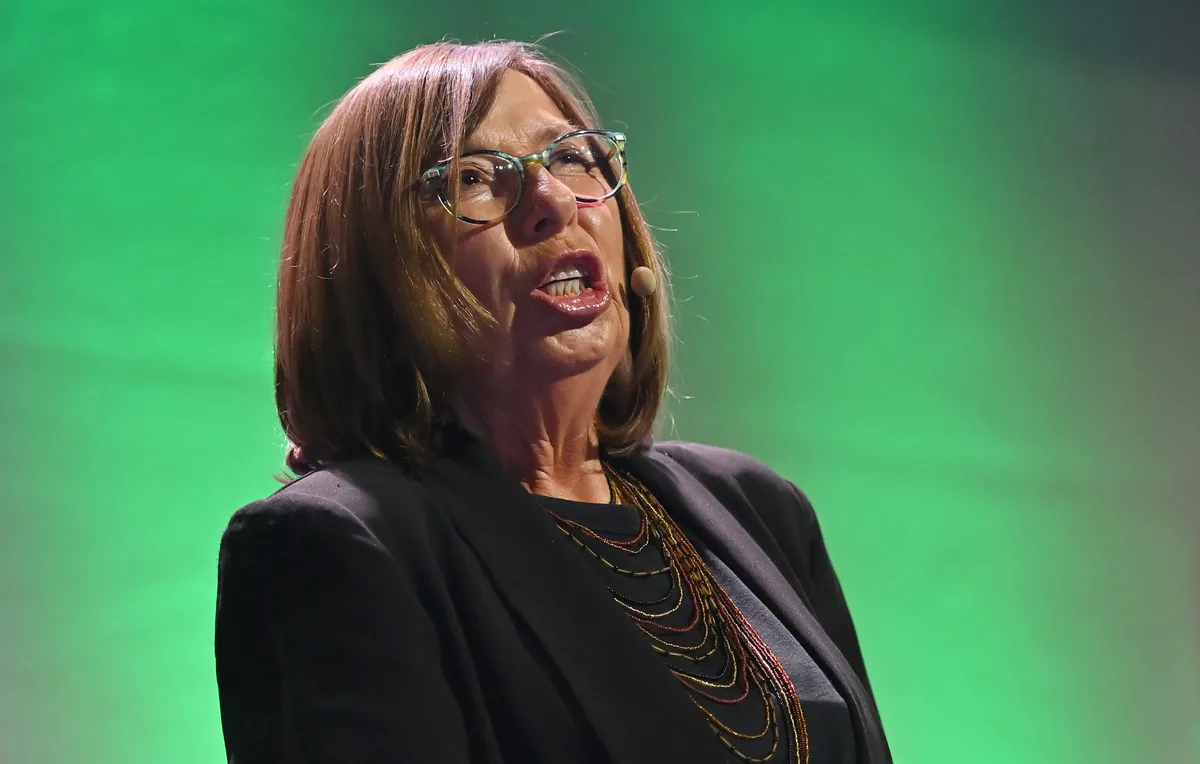
Political scientist Susan Booysen says the number of local government coalitions will continue to increase, but it’s unclear in which direction the alignments will move.
Coalitions at local government level are here to stay and their number could increase from 88 to 110 in the 2026 local government elections, says political scientist Susan Booysen, Wits University professor emeritus and now an independent analyst.
Booysen told Daily Maverick’s The Gathering 2026 on Friday, 11 September, that the number of municipal coalition governments had been projected to increase from 71 to 85, the number of district government coalition governments, from 13 to 18 and the number of metro coalitions from five to seven.
She said this could be the result of the continuing decline of the ANC and the DA either holding its ground or gaining support but usually falling short of 50%. She noted that the ANC still controlled 105 out of 205 local councils.
“Fragmentation of the main parties is one of the signs of the times,” she noted, but added that the divisions of the past remained deep, even insurmountable, and many voters would “park their votes in minor or micro parties or hide in abstention, a deliberate withdrawal, rather than vote en masse for an ‘enemy’”, Booysen said, referring particularly to the reluctance of ANC supporters to switch to the DA.
The result so far had been and would continue to be that these micro parties were gaining power well above their support levels, becoming “strident in kingmaking, claiming inordinate power and distorting democracy”, she added.
They would often be given positions of power such as mayorships by larger parties as they struggled to assemble majority coalitions.
These arrangements tended towards instability, including coalition-crossing, aggravating the challenges of governance at that level, she said.
She noted that internationally (where coalitions had been around a long time), several measures had been introduced to stabilise coalition government, including transparent coalition agreements and the proportional allocation of posts in the executive.
But she said several measures that had been proposed in SA to try to stabilise local governments by reducing the disproportionate power of micro parties – such as limiting representation in local councils to parties that won more than 1% of the vote – would not be available for the November elections, in part because the Coalition Bill would not be passed by Parliament in time.
A draft Local Government White Paper, which would include stabilising elements, would also not be ready.
Booysen said the trend of coalition governments at local level had generally risen.
5News aggregated this summary from the outlet’s public feed. The full article, with all the context, is on www.dailymaverick.co.za — the content belongs to Daily Maverick.