Japanese nuclear operator bosses quit over quake data scandal
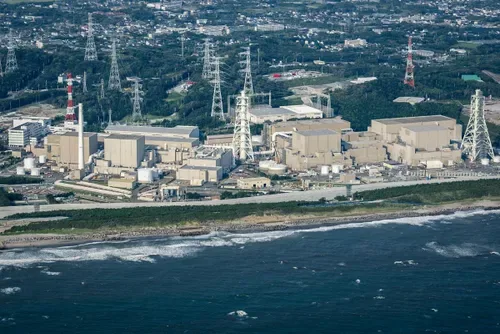
This aerial picture taken on September 4, 2015 shows units 1 to 4 (L-R) of the Chubu Electric Power Hamaoka Nuclear Power Plant in Omaezaki, Shizuoka Prefecture.
Two top executives at a Japanese nuclear plant operator stepped down Monday following a quake data-tampering scandal, and the firm said it will abandon plans to restart two reactors.
Japan is moving to revive nuclear power 15 years after an enormous earthquake and tsunami sent reactors at the Fukushima atomic plant into meltdown in 2011.
Chubu Electric Power's Hamaoka nuclear plant -- located in an area of central Japan at risk of a potential "megaquake" -- has been undergoing regulatory safety checks, with the aim of restarting two reactors.
But in January, the operator said that it had submitted data to regulators that underestimated earthquake risks.
Chubu Electric said in a statement Monday that President Kingo Hayashi and Chairman Satoru Katsuno would be replaced and the firm would withdraw applications to restart the reactors at Hamaoka.
Hayashi told a news conference that he felt "a heavy sense of responsibility and am deeply remorseful".
He said he felt "a profound sense of regret" that he was unable to "foster an organisational culture that prioritises compliance and safety above all else".
A 250-page report by an independent panel, released on Monday, said the management's "reprimand" over delays in the restart review had created pressure on staff, and was "one of the factors contributing to the misconduct".
Japan pulled the plug on nuclear power in the wake of the meltdown at the Fukushima atomic plant.
However, the resource-poor nation now wants to revive atomic energy to reduce its heavy dependence on fossil fuels, achieve carbon neutrality by 2050 and meet growing energy needs from artificial intelligence.
The world's biggest nuclear plant, Kashiwazaki-Kariwa, restarted operations earlier this year.
The estimate of maximum seismic ground motion is important for the earthquake-resistant design of nuclear plants.
In September 2023, the Nuclear Regulation Authority approved Chubu's estimate of 1,200 gal, a unit of acceleration used to measure the intensity of quakes.
5News aggregated this summary from the outlet’s public feed. The full article, with all the context, is on iol.co.za — the content belongs to IOL.