How geopolitical shocks and energy crises are derailing Africa’s climate goals

Global wars no longer need to cross borders to derail lives. By triggering widespread climate disruption, distant shocks drive up inflation and stall vital climate resilience across Africa.
On any given morning, a market trader in Accra, a taxi driver in Nairobi, or a farmer in northern Senegal is unlikely to be following developments in West Asia. Yet within days of a military escalation half a world away, each may find themselves paying far more for transport, fertiliser or food.
The connection may appear distant, but its consequences are immediate and global. Wars no longer have to cross borders to reshape lives. Instead, they ripple through global supply chains – spiking fuel prices, clogging shipping lanes and driving currency volatility. For already strained households and public resources with no role in the conflict, the economic fallout is immediate and unavoidable.
Recent escalations across global energy chokepoints serve as a stark reminder of this reality. As tensions ripple through supply chains, governments across Africa are once again confronted with familiar, agonising dilemmas: stabilise fuel prices or protect public services; absorb rising food costs or allow inflation to deepen; preserve long-term climate investments or respond to immediate economic pressures.
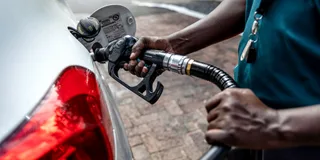
These dilemmas are no longer theoretical. They are already forcing difficult choices across African economies. In response to recent energy supply shocks, South Sudan has been forced to ration electricity in Juba, while Mauritius has restricted consumption in high-power sectors. Ethiopia has ordered fuel suppliers to prioritise security institutions, major government projects, and key industries. Meanwhile, Zimbabwe raised the ethanol content in its petrol from 5% to 20% and cut fuel-import taxes after prices climbed 40% in less than a month, while roughly a fifth of petrol stations in Kenya have faced severe shortages. The responses differ, but they reveal the same vulnerability.
For decades, Africa’s climate agenda has been built around preparing for environmental shocks. Yet today, climate outcomes are shaped by forces far beyond the weather itself. Climate vulnerability is increasingly influenced by decisions on finance, trade, infrastructure, energy and development.
Geopolitical conflicts can disrupt shipping routes and global supply chains, as seen in the Red Sea, where rerouting vessels around the Cape of Good Hope has increased journey times and shipping costs. At the same time, commodity-price volatility and tighter financial conditions can raise the cost of essential imports and climate investment. These pressures are not felt equally. They fall hardest on frontline and fenceline communities, where households already facing climate impacts, high food prices and insecure livelihoods have the least room to absorb another shock. These crises do not change the weather, but they can determine whether climate action moves forward.
This intersection can be understood as “climate disruption”.
5News aggregated this summary from the outlet’s public feed. The full article, with all the context, is on www.dailymaverick.co.za — the content belongs to Daily Maverick.