El Niño threatens South Africa’s farmers as dry, hot summer looms
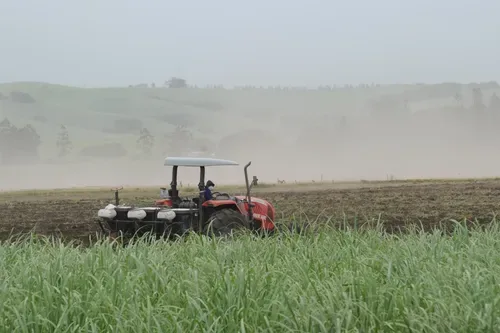
Farmers have been urged to conserve water, protect soil moisture and prepare livestock for potentially dry and hot conditions linked to El Niño.
South Africa’s agriculture sector is being urged to prepare for a potentially difficult summer as El Niño conditions are expected to bring below-normal rainfall and high temperatures across parts of the country.
The Department of Agriculture warned that the weather pattern could place crops and livestock under severe stress, with farmers being urged to take early measures to conserve water, protect soil moisture and prevent overgrazing.
The South African Weather Service’s Seasonal Climate Watch, issued on August 31, indicates that El Niño is occurring and is expected to continue through the 2026/27 summer season.
“El Niño is a natural climate pattern that results in a shift in global atmospheric circulation. In South Africa, the typical impacts of El Niño are lower-than-normal rainfall during summer coupled with high temperatures,” the department said.
The warning comes despite relatively favourable conditions during the previous summer season.
The department said above-normal rainfall during the 2025/26 summer season improved dam levels and soil moisture across most summer rainfall areas.
However, the transition into the new summer season has not followed the usual pattern in some areas.
“Typically, when the winter season ends and the spring season begins, rain is experienced throughout the summer rainfall areas. However, this is not the case, especially when below-normal rainfall and high temperatures are forecast, particularly in an El Niño season,” it said.
The department said farmers could face a combination of dry conditions and heat stress, which could have serious consequences for agricultural production.
“In the agricultural sector, El Niño conditions might result in below-normal rainfall and high temperatures that may lead to dry conditions and heat stress,” it said.
The department warned that these conditions can contribute to crop failure and livestock mortalities, particularly where farmers have not implemented risk-reduction measures.
Farmers have also been warned about the knock-on effects of water shortages, including restrictions that could affect irrigation farming.
Other concerns include the increased risk of pests and diseases associated with hotter conditions.
5News aggregated this summary from the outlet’s public feed. The full article, with all the context, is on iol.co.za — the content belongs to IOL.