PODCAST: Young Zambians are betting on the copper boom. Will it be different this time?
As global copper prices climb, young Zambians bet on mining for prosperity – but polluted water, ageing infrastructure and opaque deals threaten to repeat the resource curse.
When you arrive in Kitwe, Zambia, signs of the copper boom are everywhere. Hotel billboards promise “copper-ful” hospitality. Trucks lumber through the streets, carrying mining equipment and copper. And at Copperbelt University, the number of students studying mining has quadrupled in the past five years.
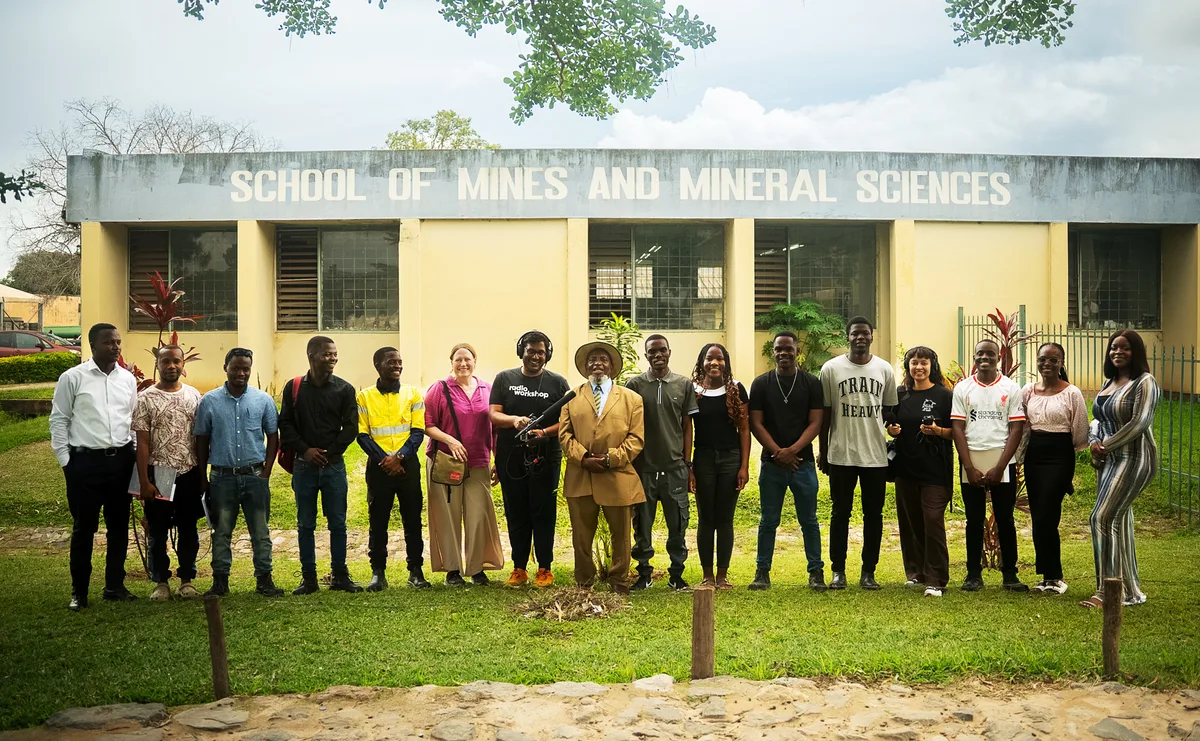
Radio Workshop ’s latest episode, Copper Town , opens with a tour of the university, where the campus buzzes with students in rugged mining boots and reflective jackets.
One of them is Rose Mpanza, a final-year mining engineering student who interns at one of Zambia’s deepest copper shafts, which is nearly 2km deep. During the 10-minute trip to the bottom Rose says some of her colleagues pray on the way down. Working in the mines can be dangerous but they go to work anyway.
Zambia knows how a copper boom usually ends: rich countries get richer, and little is left behind but environmental devastation. This time, a new generation wants to change the ending. Mpanza says: “We are here because we believe that through mining we are going to become rich. Not just me, but Zambia is going to become rich.”
For her and many young Zambians mining is a path for them to escape poverty and their country to reach prosperity.
In the copper town of Kitwe, Zambia has some of the richest copper deposits on Earth, the metal the world needs to build renewable energy and AI data centres. The world wants Zambia’s copper and with the increase in demand, the copper price is climbing, the mines are hiring, and young Zambians want in.
From a mining student betting her future on the industry, to the young men digging illegally in the waste dumps for whatever the mines leave behind – all of them are determined to come out of this boom with more than a hole in the ground.
At Copperbelt University, environmental engineering student Jobrin Nyirenda shows the Radio Workshop team around. He points to chairs stamped “Donated by the People’s Republic of China”, a library funded by the US embassy and the wildlife park donated by a mining company.
Looking around the university, Nyirenda adds: “Zambia is moving at a very fast pace.”
With global demand for copper surging, foreign money is visible across campus. But inside the final-year mining classroom, the walls are lined with dusty dioramas donated by the mining industry in the 1980s.
In an increasingly hi-tech sector the classroom struggles to reflect a modern workplace. The students know it, but they’re not worried. Final-year geomatics engineering student Mambwe Msonda says: “One thing about lacking resources is that it makes you creative. You can do a lot with a little.”
Their lecturer, Professor Peter Chileshe, isn’t worried either.
5News aggregated this summary from the outlet’s public feed. The full article, with all the context, is on www.dailymaverick.co.za — the content belongs to Daily Maverick.