US-SA RELATIONS: US visa restrictions raise the stakes in its escalating dispute with SA
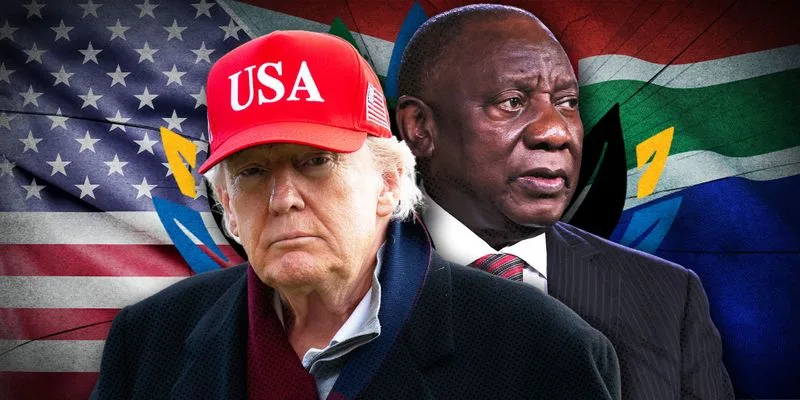
{JSON.stringify(article.attachments[0], null, 2)} --> The disputes between the US and South Africa have now taken on a whole new texture as the US will bar certain individuals – presumably mostly government officials – from entry into the US. This action will undoubtedly make efforts at reconciliation that much more difficult.
Well, here we are again in the ongoing diplomatic tussle between the US and South Africa. This time the Americans have fired their next salvo. But what does it mean, what is behind it, and what might it mean going forward? And, of course, who wins and who loses in this?
When Donald Trump returned as president in 2025, his administration undertook a campaign of pressure towards South Africa, fuelled by the false narrative of systematic oppression and repression of the country’s white Afrikaner population. The underpinnings for this significantly derived from the agenda of South African organisations like AfriForum and Solidarity.
Early on, the US totally upended its entire global asylum policies, restricting successful applicants almost entirely to white Afrikaners – several thousand of whom were dutifully admitted into the country. Meanwhile, South Africa’s eligibility for duty-free access into the American market under the provisions of the African Growth and Opportunity Act, or Agoa (assuming that law would actually be renewed by the US Congress), was increasingly seen as problematic.
The Trump administration then explicitly set out its agenda for changing the texture of the bilateral relationship, stating five demands, later called “asks” by the new American Ambassador, Leo Brent Bozell III, perhaps to soften the harshness of them. These five were:
Ensuring that expropriation policies include clear and fair compensation standards.
Ending mandatory surrender of ownership or control of corporate decision-making as a cost of doing business.
Early in Ambassador Bozell’s tenure, he had already been called into the South African foreign affairs department for a stern talking to, after speaking publicly about his displeasure over the Constitutional Court’s ruling that the infamous “Kill the Boer” chant was not hate speech. Never mind that this chant is largely history, the lack of a strong South African government condemnation of it seems to be permanently stuck in the throat of American officials.
Hovering in the landscape, too, has been a growing discord between the two nations on foreign policy issues. Most notably, these have included South Africa’s energetic pursuit of a genocide case at the International Court of Justice against Israel, and South Africa’s close ties with Iran and Russia – including military ties.
There is also an American sense that while South Africa speaks strongly about its neutrality on regional conflicts such as the Russian invasion of Ukraine involving one of its BRICS partners, from the American perspective this is not the case, judging by both actions and voting in international forums.
We have come a very far way from the heady days of the late 1990s with the Mbeki-Gore bilateral commission.
5News aggregated this summary from the outlet’s public feed. The full article, with all the context, is on www.dailymaverick.co.za — the content belongs to Daily Maverick.