READERS’ STORIES: Women describe how fear shapes everyday life — and how they keep living
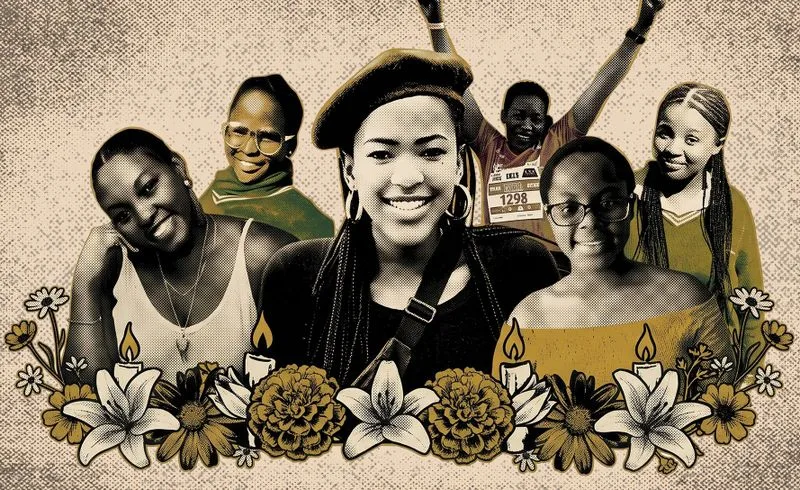
As the number of women recently killed in Ekurhuleni continues to rise, we asked readers: How do safety concerns influence your day as a woman? What do you do differently because you’re thinking about your safety? Here are your responses.
While the investigation into the murders of at least nine women in Ekurhuleni in recent months continues, the killings have highlighted the ever-present fear women in South Africa live with, the shortfalls in society and government’s response to gender-based violence and femicide.
Women readers told us how safety concerns affect their everyday lives. Read their responses below. Some readers consented to their names being published while some chose to remain anonymous.
I work four minutes, walking distance, from my workplace. It is in a suburb and there is a pavement, no open fields, etc, and I walk in broad daylight. Every single moment I am on that four-minute walk, I have my eyes and ears open and I play scenarios in my mind because to be prepared might save my life. – DM reader
I used to drive into Khayelitsha to visit my foster daughter’s family. I used to drive into Langa to go to church. I used to drive into Nyanga to deliver food and clothing to children’s homes. I can’t do that any more. Not even social workers can do home visits in Khayelitsha any more.
How does that protect children like mine? I used to help people who came to my gate. I used to help people begging at traffic lights. I used to stop to help if I saw someone who looked in difficulty on the side of the road. I can’t do that any more. I lock my car doors and keep the windows up.
I saw a shopkeeper kick a homeless man a few nights ago. I didn’t stop to help. It’s still troubling me. My whole life, I’ve been a helper. Now, staying alive to be a mother to my children means I am not able to be that helper any more. It feels soulless. But that’s still better than lifeless. – DM reader
I go out as little as possible, preferably only to places where people I know will also be. Avoid stores as far as possible. When I can’t avoid new places, I make sure everyone I know knows where I will be going and for how long. – DM reader
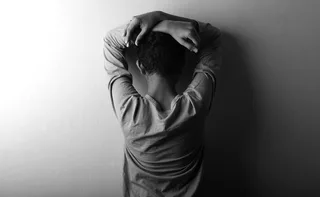
I live in fear these days. It’s hard to go about day-to-day duties because of the worry that I am under the eyes of a potential killer. Something as easy as going to work sounds like a gamble with my life. – DM reader
I used to only run in groups or in areas considered safe. I would take off my jewellery, lock my phone in the car, and carry my keys with the sharp ends pointing out between my knuckles. I never wore headphones so I could always hear someone approaching. And this was normal for me as a woman running in Cape Town.
I live in the UK now, and let me say the problem exists here too. Maybe not as prevalent in South Africa, but I still take off my jewellery and run where other people can see me. I still avoid dodgy areas and if I’m really honest, I notice where the men are. Because what Cassandra [Gudlhuza] says is 100% right: it’s not all men, but it is always a man.
We need more men to stand up for us, call out their friends for antisocial behaviour like catcalling and staring.
5News aggregated this summary from the outlet’s public feed. The full article, with all the context, is on www.dailymaverick.co.za — the content belongs to Daily Maverick.