PROJECT COAST: Apartheid’s covert operation that built and dismantled SA’s biological weapons programme
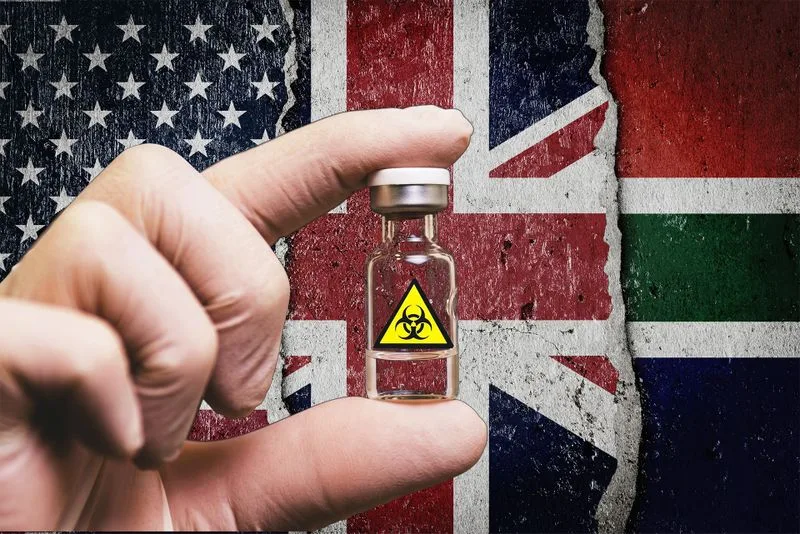
The first of six parts on the biological programmes that went by the benign name of Project Coast – a covert endeavour representing some of the worst practices in building and dismantling a biological weapons capability responsibly. Profound lessons can be learnt about how to – and how not to – govern high-consequence programmes.
On 10 April 1972, South Africa (SA) signed the first multilateral treaty to ban an entire class of weapons, the Biological and Toxin Weapons Convention (BTWC), and ratified it in November 1975.
Fifty-plus years later, as concerns mount about the use of chemical and possible use of biological weapons in what has become known as grey warfare in Ukraine and elsewhere, it is appropriate to reflect on the rise and decline of SA’s biological weapons programme – the only country in Africa to develop biological (and nuclear) capabilities.
On 11 April 1994, the British Ambassador to South Africa Sir Anthony Reeve and US Ambassador Princeton Lyman , instructed by their respective governments, delivered a démarche, the formal diplomatic step by which one government expresses its concerns to another, to the last South African president of the apartheid era, Frederik Willem de Klerk.
The UK and US demanded full and complete dismantling of the late-stage apartheid government’s covert offensive chemical and biological weapons programme called Project Coast, started by De Klerk’s predecessor PW Botha and his Minister of Defence, Magnus Malan.
The British and Americans were fearful that Project Coast’s lethal technology and programme secrets would proliferate to rogue states and/or terrorist groups just as Nelson Mandela and the ANC prepared itself for the first democratic elections to be held on 26-29 April 1994, having the expectation of taking power, which it did with 62.9% national support.
De Klerk ordered the dismantling of SA’s six completed and one partially completed Hiroshima-style nuclear weapons on 26 February 1990. He also ordered the shutting down of the offensive aspects of the chemical and biological weapons program.
FW de Klerk was heavily invested in returning SA, then suffering the consequences of boycotts, disinvestment and punishing restrictions, to the Western family of nations.
After the nuclear weapons were dismantled, South Africa acceded to the Nuclear Nonproliferation Treaty (NPT) on 10 July 1991. The Chemical Weapons Convention was likewise signed on 14 January 1993. SA had also been one of the original signatories to the 1972 Convention on the Prohibition of the Development, Production and Stockpiling of Bacteriological and Toxic Weapons and their Destruction (the BTWC, ratified on 3 November 1975), but Project Coast’s offensive components deceitfully violated its provisions, which had to be remedied.
The Non-Proliferation of Weapons of Mass Destruction Act (No.
5News aggregated this summary from the outlet’s public feed. The full article, with all the context, is on www.dailymaverick.co.za — the content belongs to Daily Maverick.