When women live in fear, none of us can remain neutral
The discovery of women’s bodies across Ekurhuleni has once again brought South Africa’s gender-based violence crisis into sharp focus. But outrage alone will not make women safer. Universities, communities and men themselves must confront the cultures that enable violence, strengthen systems of accountability and turn concern into sustained action.
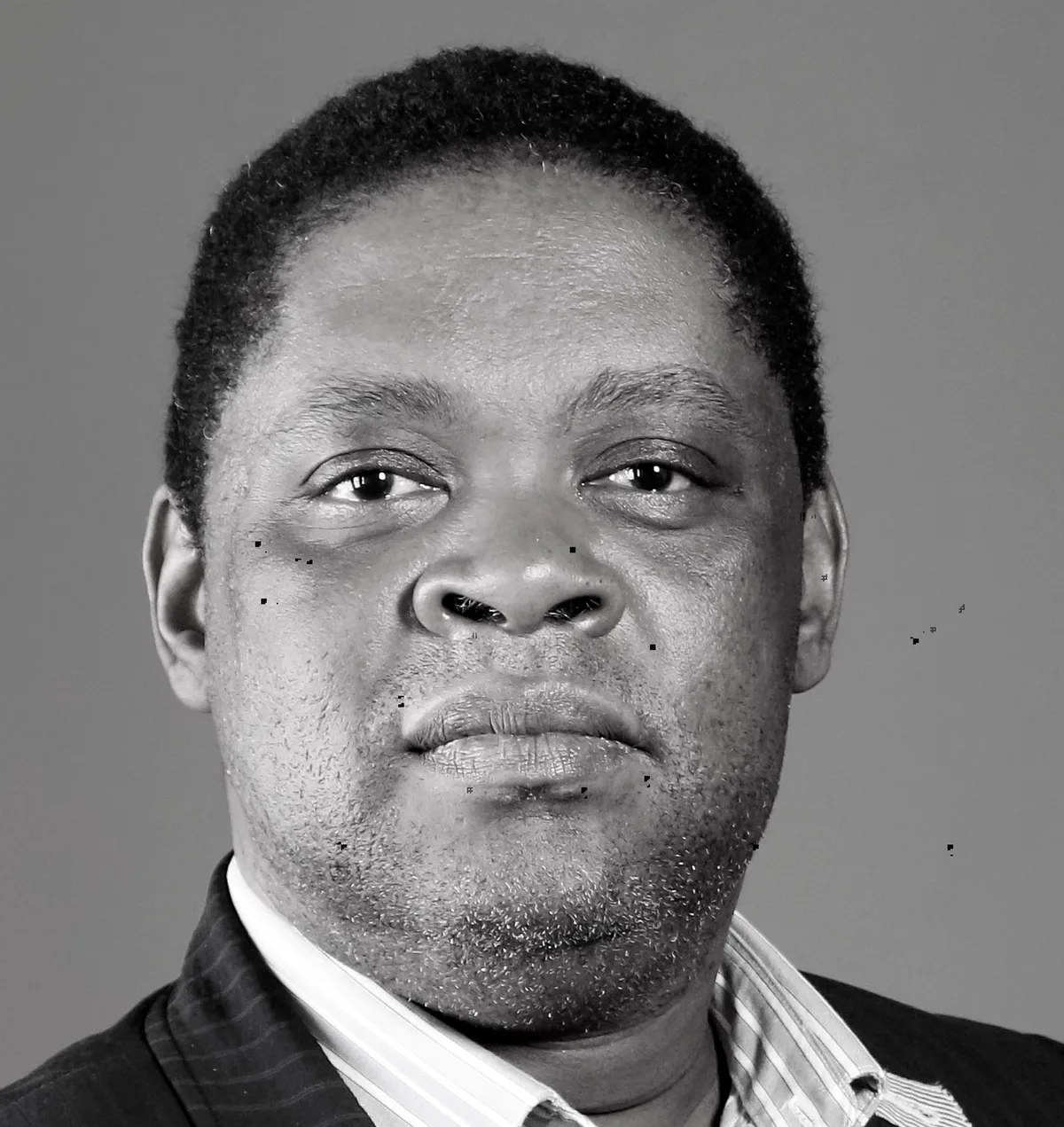
Jerome September is the President of the South African Association of Senior Student Affairs Professionals and the Dean of Student Affairs at Wits University
The discovery of the bodies of women across Ekurhuleni has confronted South Africans, yet again, with a truth that we have avoided for too long – women in our country are not merely unsafe in exceptional circumstances. Fear has become woven into the ordinary routines of their lives.
Behind every one of these victims is a human being: a daughter, mother, sister, friend, colleague or student. Each had a name, dreams and a future. Their deaths must not become another moment of national outrage that fades when the news cycle moves on.
President Cyril Ramaphosa has called on South Africans to stand up for women’s rights. That call must become more than another appeal made after a tragedy. We have issued statements, marched, held vigils and repeatedly declared that enough is enough. Yet women continue to die.
As a son, a brother, an uncle, a neighbour, a citizen and a leader, I am deeply troubled by what these killings say about who we have become. We cannot celebrate constitutional freedom while millions of women do not enjoy the basic freedom to move through their homes, streets, workplaces and communities without fear. We continually tell women not to walk alone, not to go out at night, to share their location and to change their route. In doing so, we continue to place the burden of preventing violence on those most likely to experience it, rather than on the perpetrators and the institutions responsible for safety and justice.
Women’s freedom cannot depend on how successfully they anticipate male violence.
Safety advice has its place, but safety cannot be reduced to teaching women how to navigate danger – it must also mean changing the conditions that allow violence to occur and ensuring that those responsible are held accountable.
In recent days, there have rightly been calls for more men to speak out, especially those with influence in politics, business, education, faith communities, entertainment and sport. Sports stars and other public figures can help to shape how boys and young men understand courage, strength, respect and masculinity. However, their speaking out cannot be performative or limited to moments of national outrage. Men must challenge other men in change rooms, boardrooms, university residences, families, social gatherings and online groups. The attitudes that enable violence are often normalised long before the violence occurs.
But speaking is only the beginning. The harder work is confronting a friend, colleague, student or family member when a joke becomes degrading, when consent is treated casually, when controlling behaviour is normalised, or when violence is dismissed as a private matter.
5News aggregated this summary from the outlet’s public feed. The full article, with all the context, is on www.dailymaverick.co.za — the content belongs to Daily Maverick.