South Africa's paradox of hunger and food waste: millions go hungry while food rots
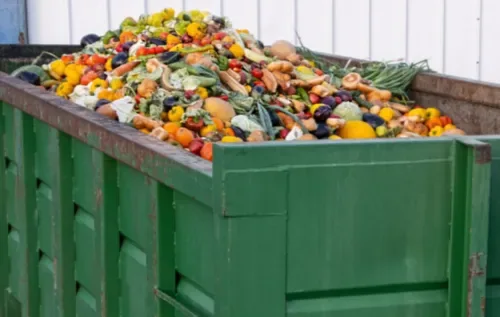
South Africa faces a food waste crisis as climate change compounds global hunger.
In South Africa today, a distressing paradox exists: one in five households lack certainty about where their next meal will come from, even as the country produces enough food to feed its entire population.
Alarming statistics reveal that nearly three million children regularly go to bed hungry, with a staggering one in three deaths among children under the age of five linked to severe, acute malnutrition. Against this backdrop, approximately 10.3 million tonnes of edible food — 34% of local production — falls victim to waste every year, costing the economy an estimated R61.5 billion (2.1% of GDP).
On World Food Day, celebrated on October 16, Professor Jako Volschenk, Associate Professor of Strategy and Sustainability at Stellenbosch Business School, called for urgent, systematic interventions to combat both hunger and food waste, arguing they deserve the same level of attention as critical issues like electricity supply, infrastructure, and crime.
“Addressing food waste must not only reduce the sheer volume of losses, but also ensure that nutritious food surplus in one area finds its way to communities in dire need,” Volschenk said. He advocates for strict regulations, proposing that it should be illegal to dispose of unsold edible food products instead of donating them.
More than a quarter of South Africa's children under the age of five suffer from stunted growth due to chronic undernourishment, impeding their physical and cognitive development. This not only hampers their ability to succeed in school, but also limits their future employment opportunities.
“Child malnutrition perpetuates the cycle of poverty, resulting in lost productivity, reduced incomes, and increased healthcare costs,” Volschenk said. He estimated that eliminating child malnutrition could lift South Africa's GDP per capita by approximately 9%.
Food waste represents a multifaceted loss — not only of food itself but also of the water, energy, and resources used in its production. Moreover, food waste sent to landfill contributes around 7.6% of South Africa’s total greenhouse gas emissions. On a global scale, the environmental implications are staggering, with food loss and waste accounting for 8-10% of greenhouse gas emissions — five times greater than those from the aviation sector.
Volschenk further highlighted how external global factors, such as ongoing conflicts affecting grain transport and rising energy costs, threaten local agriculture. He cautioned that the current El Niño weather cycle, characterised by dry and low-rainfall conditions, will exacerbate pressures on food production through the 2027/28 growing seasons.
The professor said issues influencing global food production and trade are interlinked with climate, energy, emissions, and water shortages.
5News aggregated this summary from the outlet’s public feed. The full article, with all the context, is on iol.co.za — the content belongs to IOL.