INVESTIGATION: Mpumalanga breakdown — when emergency water becomes the permanent supply
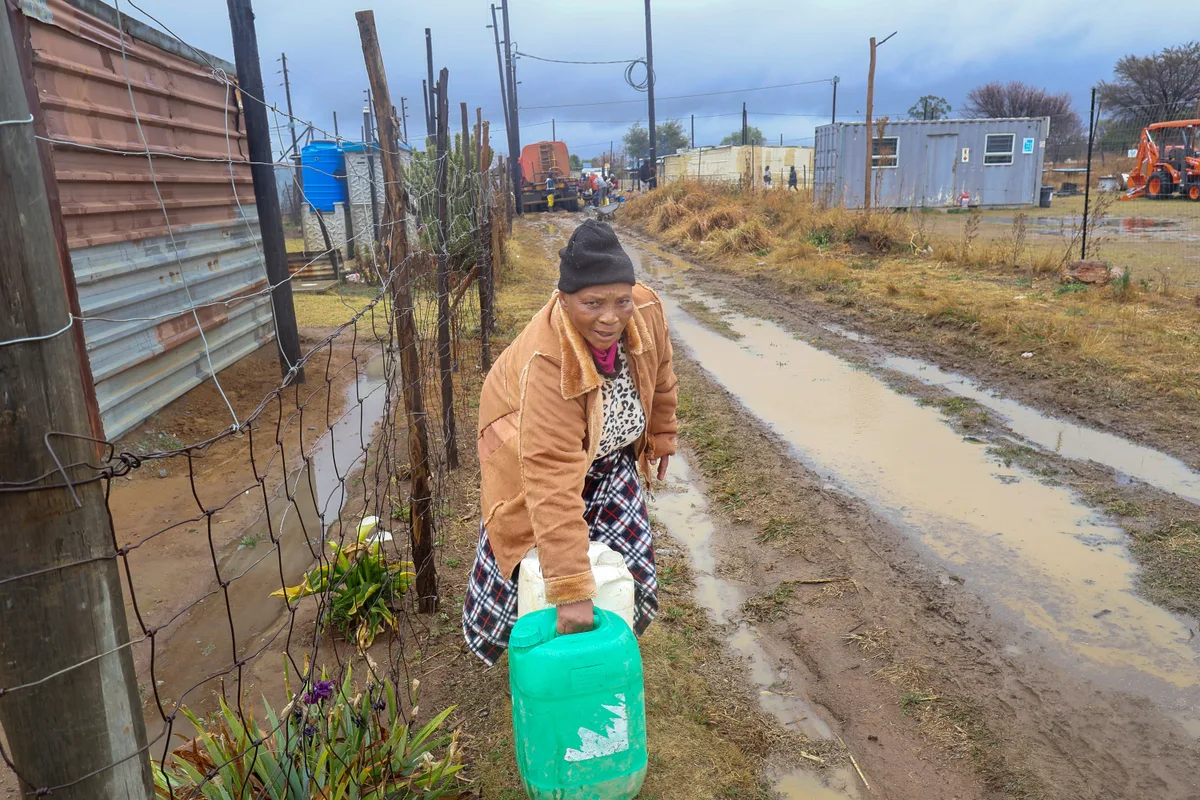
{JSON.stringify(article.attachments[0], null, 2)} --> A weeks-long investigation into water tanker procurement and service delivery in Mpumalanga’s Nkangala District reveals what happens when a temporary emergency measure becomes a long-term means of supplying water.
In Mpumalanga’s Nkangala District, the Lynnville office water depot in Emalahleni and the Vezubuhle Gundry Water supply in Thembisile Hani are meant to supply communities with piped water. But recurring drought, ageing infrastructure and water sources that have failed to meet demand have left many communities dependent on erratic tanker deliveries originally intended only as an emergency measure.
This investigation found that Nkangala municipalities have become locked into a costly tanker system that has evolved from an emergency response into a long-term substitute for functioning infrastructure.
In parts of Emalahleni and Thembisile Hani municipalities, residents describe years of unreliable tanker deliveries, empty JoJo tanks and long periods without running water, despite millions of rands spent on emergency water provision.
Municipal records show that Emalahleni Local Municipality spent about R46-million on water tanker services in a single year, while neighbouring Thembisile Hani spent more than R21-million over four financial years.
Despite this public expenditure, residents have little certainty about when water will arrive, whether it will be free or come at a cost, and little public accountability for how millions of rands spent on tanker services translate into reliable access to water.
Erratic delivery has opened the way for independent private providers to step in, charging even more for water delivery.
The private companies contracted by the municipality sometimes require payment in cash to the driver, raising suspicions that this money never gets to the municipality.
The investigation also found that some of the companies delivering water are owned by relatives of influential local politicians, suggesting a conflict of interest.
Across Nkangala, residents describe profound frustration with inconsistent and often unreliable water tanker services that affect almost every aspect of daily life. Communities, particularly in Emalahleni and Thembisile Hani, have grown dependent on JoJo tanks, yet frequently endure weeks without refills, forcing them to resort to unsafe alternative water sources.
Frans Duma, a resident of Waaikraal, says residents have raised serious concerns about how payments for municipal water tanker deliveries are being handled.
“As members of the Waaikraal community, we rely on municipal water tankers, and while I understand and accept that people may have to pay for water, the problem is that payments are made directly to the driver instead of through official municipal channels. There is no assurance that the money is reaching the municipality,” says Duma.
“Residents with JoJo tanks in their yards are charged R450 for a 5,000-litre delivery, while water from the communal JoJo tanks is free.
5News aggregated this summary from the outlet’s public feed. The full article, with all the context, is on www.dailymaverick.co.za — the content belongs to Daily Maverick.