BOOK REVIEW: Is democracy Africa’s path to development? Jakkie Cilliers isn’t so sure
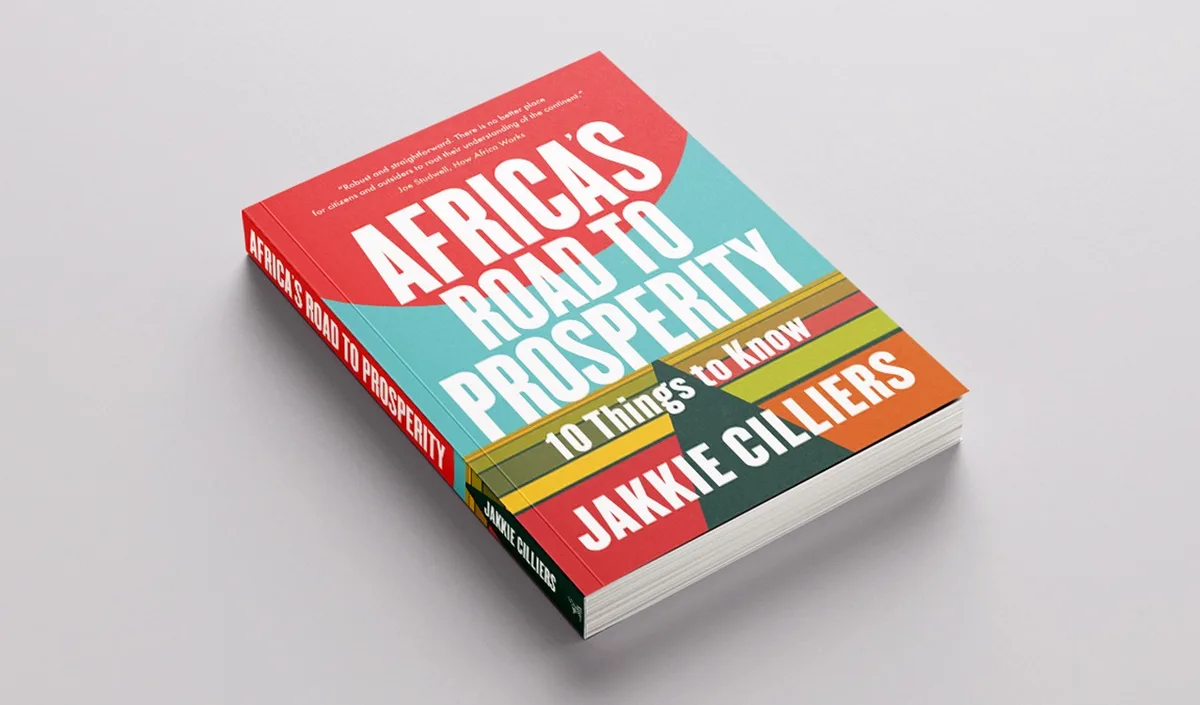
In his latest book, Institute for Security Studies founder Jakkie Cilliers challenges assumptions on whether democracy and the demographic dividend will lead to development in Africa.
Jakkie Cilliers is not afraid to court controversy. In his latest book, Africa’s Road to Prosperity: 10 Things to Know, just published, Cilliers, founder of the Institute for Security Studies (ISS) and now head of its African Futures and Innovation Programme, for instance, says that democracy is not necessarily the panacea for Africa’s ills that many believe.
In fragile post-conflict states such as Somalia and South Sudan, competitive politics (including elections) can even undo much of the progress made in ending violence, as politicians often rally electoral support based on ethnic or religious grounds.
The historical evidence, he says, suggests rather that low-income African countries should first strive for stability, particularly control over their territories, which many lack, and strong institutions, to provide a secure platform for economic growth “and then gradually strengthen democracy”.
This view has, unsurprisingly, dismayed some African opposition leaders trying to dislodge dictators.
Cilliers acknowledges there is a dilemma as “authoritarian growth models are risky and often unsustainable as they depend heavily on individual leaders rather than durable institutions”. Indeed, one should add, the problem is that so many authoritarian African leaders cling so tenaciously to power, permanently postponing the evolution to democracy.
Democracy first or security first seems to be an insoluble chicken and egg conundrum.
Another controversial view is that demography is “the master variable” in determining a country’s developmental performance, even more important than governance, which most analysts would rank first.
Many believe Africa’s very large and rapidly growing population – which Cilliers predicts will explode from 1.552 billion in 2025 to 2.586 billion in 2050 – is a hopeful sign that it is the continent of the future. But Cilliers argues that because of its exceptionally young population, Africa has a very high proportion of young dependents for its workers to support.
Africa’s population will only become an asset when it enters a window of opportunity when its median age, now 19.5 years in southern Africa, reaches 25.5 years. Or put differently, when its working-age population exceeds its dependent population (children and retirees) by at least a ratio of about 1.7:1. Then it will reap a “democratic dividend”.
Cilliers advises African countries to hasten the demographic dividend, with measures such as more family planning, more empowerment of women and better education for girls since all these measures tend to bring down the birthrate and therefore increase the relative size of the working population.
But Cilliers nevertheless does blame “gerontocracy”, ageing political elites and entrenched traditional authorities, who favour business as usual over radical transformation, for hindering Africa’s efforts to break out of poverty.
5News aggregated this summary from the outlet’s public feed. The full article, with all the context, is on www.dailymaverick.co.za — the content belongs to Daily Maverick.