BABOONS OP-ED: Cape Town risks ‘monument to management failure’ just before municipal elections
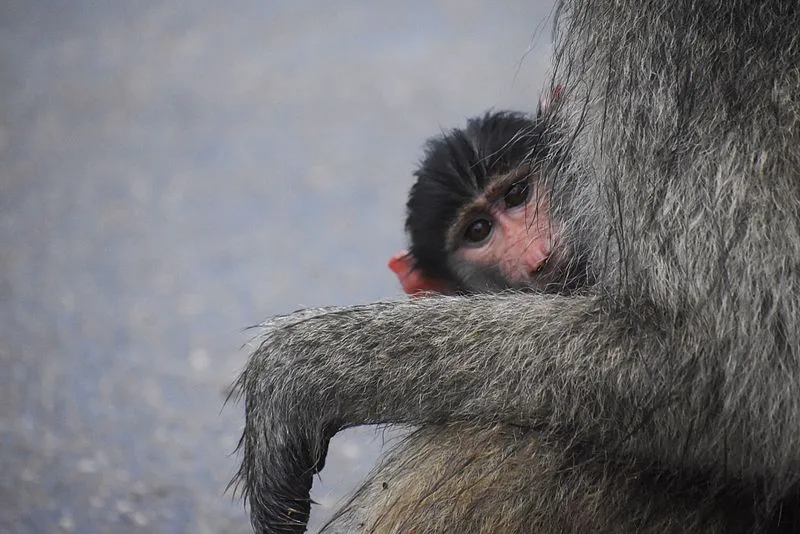
{JSON.stringify(article.attachments[0], null, 2)} --> Cape Town’s plan to trap and confine Seaforth and Waterfall baboons before rolling out coexistence measures sparks outcry over management failure, welfare and environmental responsibility.
As Cape Town heads towards the 4 November municipal elections, it is also building what primatologist David Gaynor has warned might become a “ monument to management failure ”.
Around 60 chacma baboons from the Waterfall and Seaforth troops in Simon’s Town might soon be removed from the landscape where they have lived for generations and placed into permanent captivity at the City-owned Urban Wildlife Centre at Kogelfontein near Scarborough. The City's Action Plan provides for the animals to be captured, assessed, and moved into purpose-built enclosures, with healthy males vasectomised.
Green Group Simonstown NPC (GGST) has since resigned from the Cape Peninsula Baboon Advisory Group (BAG).
“We did not join the Advisory Group to lend legitimacy to decisions we fundamentally question. We joined because we believed participation meant that evidence, community experience and viable alternatives would influence the outcome. For approximately seven months, we repeatedly raised the same fundamental concerns. We have not seen those concerns meaningfully reflected in the decisions being implemented. We won’t endorse something that, in our view, amounts to a zoo.”
The Wildlife Animal Protection Forum South Africa (WAPFSA), a national network of wildlife, conservation, environmental and community organisations, has repeatedly opposed the permanent captivity of the Simon’s Town baboons. It argues that the plan disregards their natural free-ranging existence and that evidence-based coexistence measures should be implemented, evaluated and transparently monitored before permanent captivity is considered. WAPFSA has also put forward alternatives including secure waste systems, targeted spatial exclusion, non-lethal behavioural management, community coexistence measures and habitat interventions .
Francesca de Gasparis, director of the South Africa Faith Communities’ Environment Institute (Safcei) and also a member of the BAG, has also opposed the removals. She has described the response to the crisis as showing “a profound lack of understanding of the important role baboons play in the functioning of our fynbos ecosystem ”.
The Cape of Good Hope SPCA, also a member of the BAG, has likewise raised welfare concerns. In July, it stated that it did not support placing free-roaming, wild-caught baboons into a sanctuary as a long-term management solution.
This is therefore not simply a disagreement between the City and a handful of residents. Different organisations, with different mandates and areas of expertise, are simultaneously objecting and questioning why permanent captivity or death are being proposed as the only solutions before alternatives to removal have been properly advanced.
The travesty has now made international news , with Reuters reporting on it last week.
At the heart of this issue is a failure of management and environmental leadership.
5News aggregated this summary from the outlet’s public feed. The full article, with all the context, is on www.dailymaverick.co.za — the content belongs to Daily Maverick.