Sunday, 11 October 2026 SourcesAbout🌓
🇿🇦 ZA ▾
BREAKING
› Community policing must stay above party politics to protect democratic integrity› WELLNESS: Lived experience can connect the healthcare dots when it gets a say› THE CONVERSATION: How pond algae led to a Nobel and new ways to study the brain› SECOND GENERATION: Relebohile Mofokeng’s father nearly benched his soccer ambitions› HOLDING ITS OWN: Of agents and agency — A local AI policy must work to serve us› Trump's trade wars sting US manufacturers ahead of midterms› 'Going bankrupt': Iran shopkeepers struggle as war dims demand› Google’s second-biggest data centre faces a backlash that goes far beyond AI› MK Party challenges report linking Zuma’s health to possible KZN troop deployment› After the ICC sanctions, is South Africa ready for US technology sanctions?› Community policing must stay above party politics to protect democratic integrity› WELLNESS: Lived experience can connect the healthcare dots when it gets a say› THE CONVERSATION: How pond algae led to a Nobel and new ways to study the brain› SECOND GENERATION: Relebohile Mofokeng’s father nearly benched his soccer ambitions› HOLDING ITS OWN: Of agents and agency — A local AI policy must work to serve us› Trump's trade wars sting US manufacturers ahead of midterms› 'Going bankrupt': Iran shopkeepers struggle as war dims demand› Google’s second-biggest data centre faces a backlash that goes far beyond AI› MK Party challenges report linking Zuma’s health to possible KZN troop deployment› After the ICC sanctions, is South Africa ready for US technology sanctions?
Science

Bambara groundnut: new maps show where southern African farmers can grow this drought-tolerant crop
The Conversation Africa ·
Bambara groundnut: new maps show where southern African farmers can grow this drought-tolerant crop

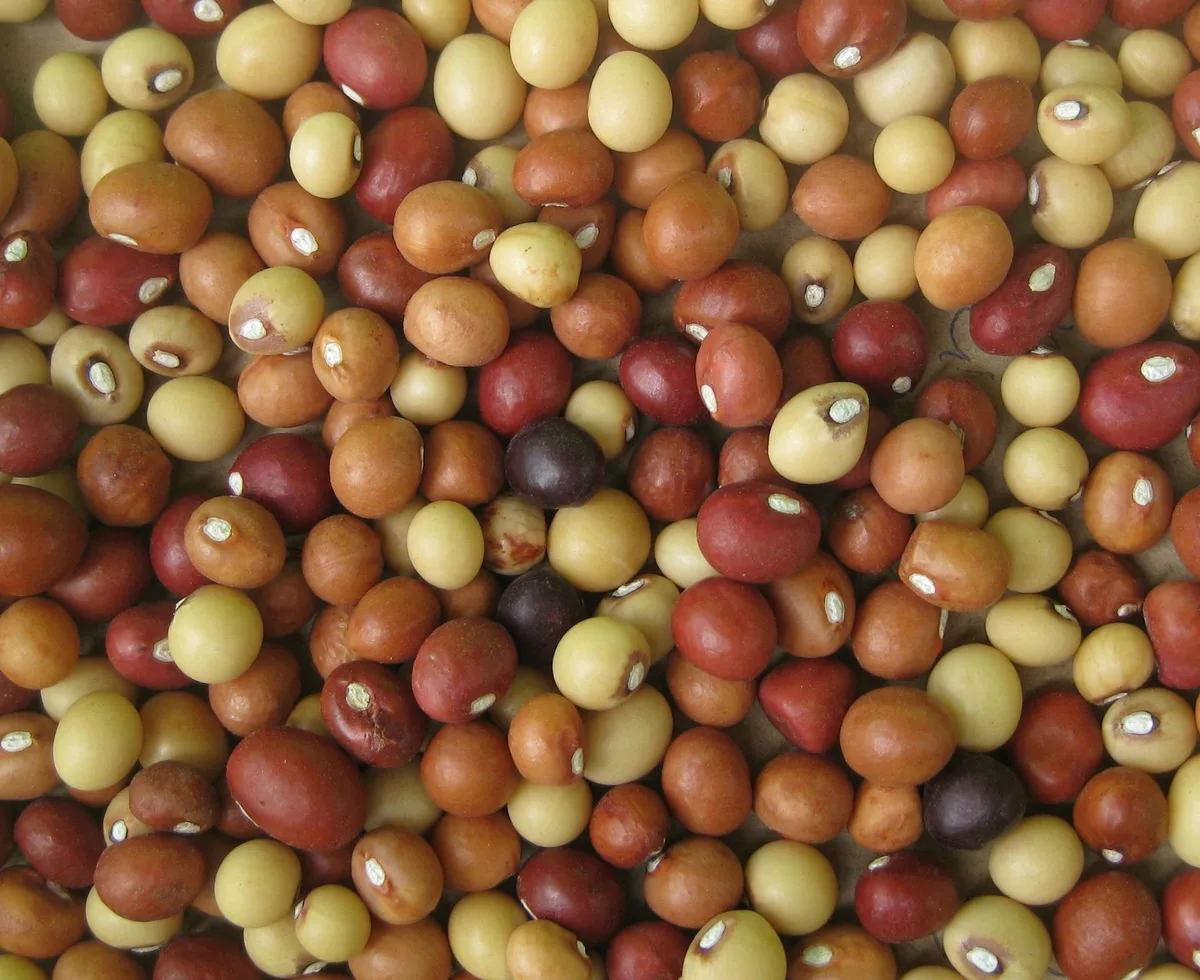
Bambara groundnut Ton Rulkens/Flickr , CC BY-NC-ND Across Africa, wheat, maize and rice are the most consumed cereal crops.

When they fail because of drought, floods or other climate disasters, this can be devastating for farmers, particularly smallholder farmers whose livelihoods and food security depend directly on how many crops they can grow and sell.

If farmers grew a wider variety of crops, this could help make agriculture more resilient to climate shocks .

It would also contribute to more diverse diets.

One way of achieving this is to bring more indigenous crops into mainstream agriculture.

These crops either originated in Africa or were introduced and have since become naturalised or part of traditional farming systems.

Examples include amaranth, bambara groundnut, cowpea, sorghum, sweet potato and taro .

These are known as underutilised crops.

They cope quite well with drought and other climate stresses, and provide important nutrients to humans, such as protein, fibre and minerals such as iron, zinc and calcium.

Read more: Why aren’t South Africans growing more indigenous crops? How farmers can be nudged to change their ways These crops are grown in South Africa, but mainly by smallholder farmers.

They have yet to be widely adopted by commercial agriculture.

One of them is the bambara groundnut .

This is a legume indigenous to Africa, from the same plant family as beans and peas.

It is not a true nut although its seeds develop in pods underground, much like peanuts.

Read the full article on The Conversation Africa ›

5News aggregated this summary from the outlet’s public feed. The full article, with all the context, is on theconversation.com — the content belongs to The Conversation Africa.

More from The Conversation Africa

See all ›

More in Science

See all ›