US urges G20 to shield industries and jobs from Chinese imports
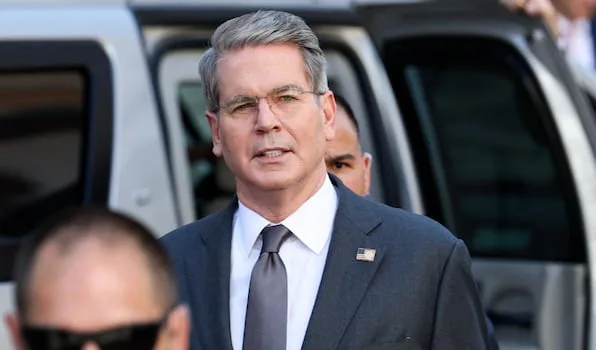
Asheville, North Carolina — The US urged other G20 countries on Tuesday to do more to protect their domestic industries and job markets from Chinese imports, arguing such distortions were “sucking” much-needed growth out of the global economy.
The two-day meeting of finance chiefs — which saw differences in tone between the US hosts and some of the European participants — came amid a bond market selloff on concerns about growing debt levels and inflation pressures.
While Washington used a parallel G20 gathering of industry titans and commerce ministers on Tuesday to make the case for a hands-off approach to AI regulation, the focus of the finance ministers’ meeting was on China.
US treasury secretary Scott Bessent said he already warned other trading partners last year that tougher US tariffs would lead to an influx of Chinese goods diverted to their markets.
“And unfortunately, I was right. They have — and the rest of the world probably needs to take a hard look at what they should be doing to protect their citizens’ jobs,” he told the meeting in Asheville, North Carolina.
“We’re seeing a lot of non-market economies with these big imbalances that are sucking growth from the rest of the world,” Bessent said.
China’s massive export push has pressured economies across the globe, especially as the US has imposed stiff tariffs on Chinese goods and outright bans on some products, such as Chinese vehicles.
With chronically weak domestic demand, China has doubled down on exports of electric vehicles, semiconductors and other goods, and its total exports rose 23.9% year on year in July, prompting growing calls in Europe for tougher curbs on Chinese imports.
“We do know that Chinese currency is hugely undervalued, that China is supporting, very actively subsidising its exports, and this is a problem for Europe as well,” Polish finance minister Andrzej Domanski said.
China’s goods trade surplus with the EU hit €360.6bn last year, a 15% increase on 2023, and has expanded further this year as Chinese firms have sold more to the EU and imported less.
European economy commissioner Valdis Dombrovskis agreed that China is a major source of economic imbalances but said the US and Europe also have roles to play in evening things out.
In more direct comments, German finance minister Lars Klingbeil said the US-Israel war on Iran , together with ongoing US tariff disputes, were also major causes of uncertainty holding back the global economy.
“Uncertainty is poison for economic growth,” he said. “The tariff conflicts being pursued by the US, such as the current dispute with Canada, destroy trust.”
It remains unclear whether the US will be able to bring the diverse forum together to agree on a joint communique on how to reduce global imbalances.
5News aggregated this summary from the outlet’s public feed. The full article, with all the context, is on www.businesslive.co.za — the content belongs to Business Day.