JUST TRANSITION: Connecting the crises and putting health at the heart of Africa’s energy future
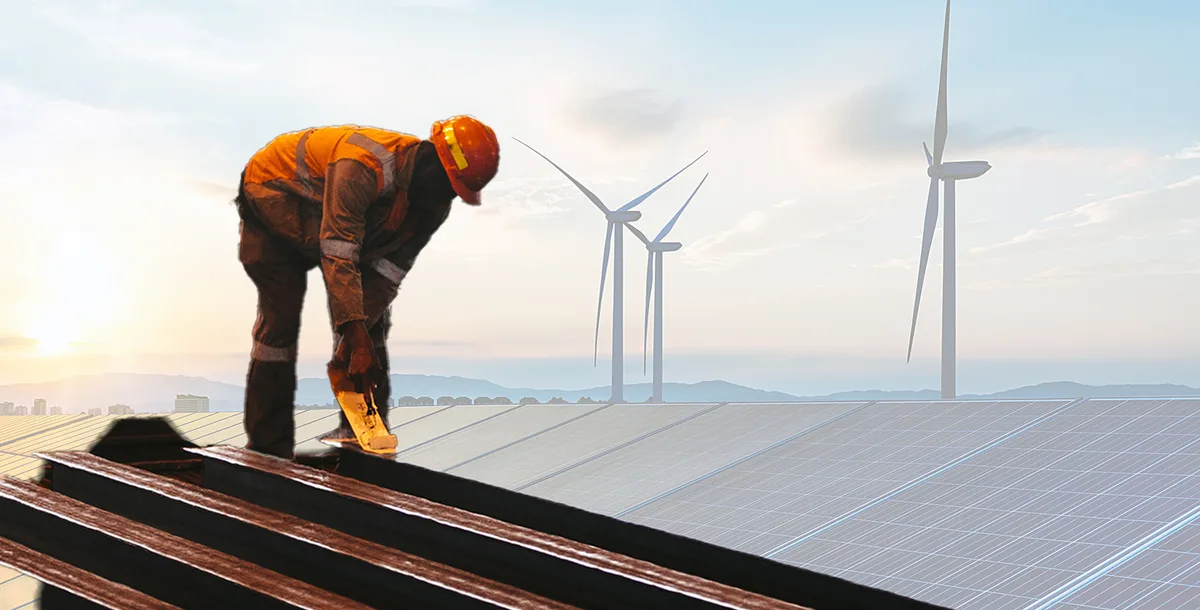
As the 18th World Congress on Public Health convenes in Cape Town, the public health community has an opportunity to confront the escalating health impacts of the climate crisis and lead Africa’s pursuit of energy justice and a just transition away from fossil fuels.
When the global public health community meets in Cape Town this September for the 18th World Congress on Public Health , delegates from the global public health community will bring expertise and experiences shaped by crises.
Some will come from regions affected by war, conflict or displacement. Others will share accounts of floods, drought, failed harvests, extreme heat, toxic air or failing public services. Many will care for patients whose illnesses are linked to unsafe work, poverty, pollution or political neglect. Every participant and those they serve will have been affected by one crisis or another while dealing with and preparing for the super El Niño – conditions that will influence global temperature and rainfall patterns, increasing the risk of extreme weather.
The congress’ theme, “Health Without Borders: Equity, Inclusion, and Sustainability”, must be more than a slogan. It calls us to understand this moment, connect often-separated crises, and lead a justice-based response. The congress, to be held from 6-9 September 2026, is a unique opportunity for the public health community to address the forces driving ill health across borders.
The crisis around the Strait of Hormuz highlights these connections. The ongoing conflict between the United States and Iran, along with attacks on shipping and reduced tanker traffic, threatens a key route for about one-fifth of global oil supplies. The effects extend far beyond the Gulf: oil prices rise, transport and food costs increase, and fossil fuel-importing countries face greater fiscal strain. Health systems already under pressure from shortages and debt are further stretched. Families that are not involved in the conflict bear the burden through higher bills, lost livelihoods and reduced access to care.
This is the reality of fossil-fuel dependence: a regional conflict escalates into a global public health emergency because the energy system relies on hazardous resources, vulnerable shipping routes and geopolitical power. Those who bear the highest costs rarely control the wells, tankers, or profits. UN Secretary-General António Guterres said we should treat El Niño as the urgent climate warning that it is, and that the only effective response is climate action equal to the crisis – ending the addiction to fossil fuels, accelerating the shift to renewables, protecting the most vulnerable and delivering early warning systems for all.
This is why the World Congress on Public Health is so important now. Cape Town should be where the public health community links emergencies often seen as separate – conflict, energy insecurity, rising costs, pollution, climate change and inequality – and identifies the shared systems behind them.
Public health provides both the perspective and the responsibility to act.
5News aggregated this summary from the outlet’s public feed. The full article, with all the context, is on www.dailymaverick.co.za — the content belongs to Daily Maverick.