Reimagining agricultural education as AI transforms farming and future jobs
To prepare for future agricultural education we need to modernise and incorporate digital technologies like AI, drones and data science. Outdated curricula should be updated through strong industry partnerships and Work Integrated Learning.
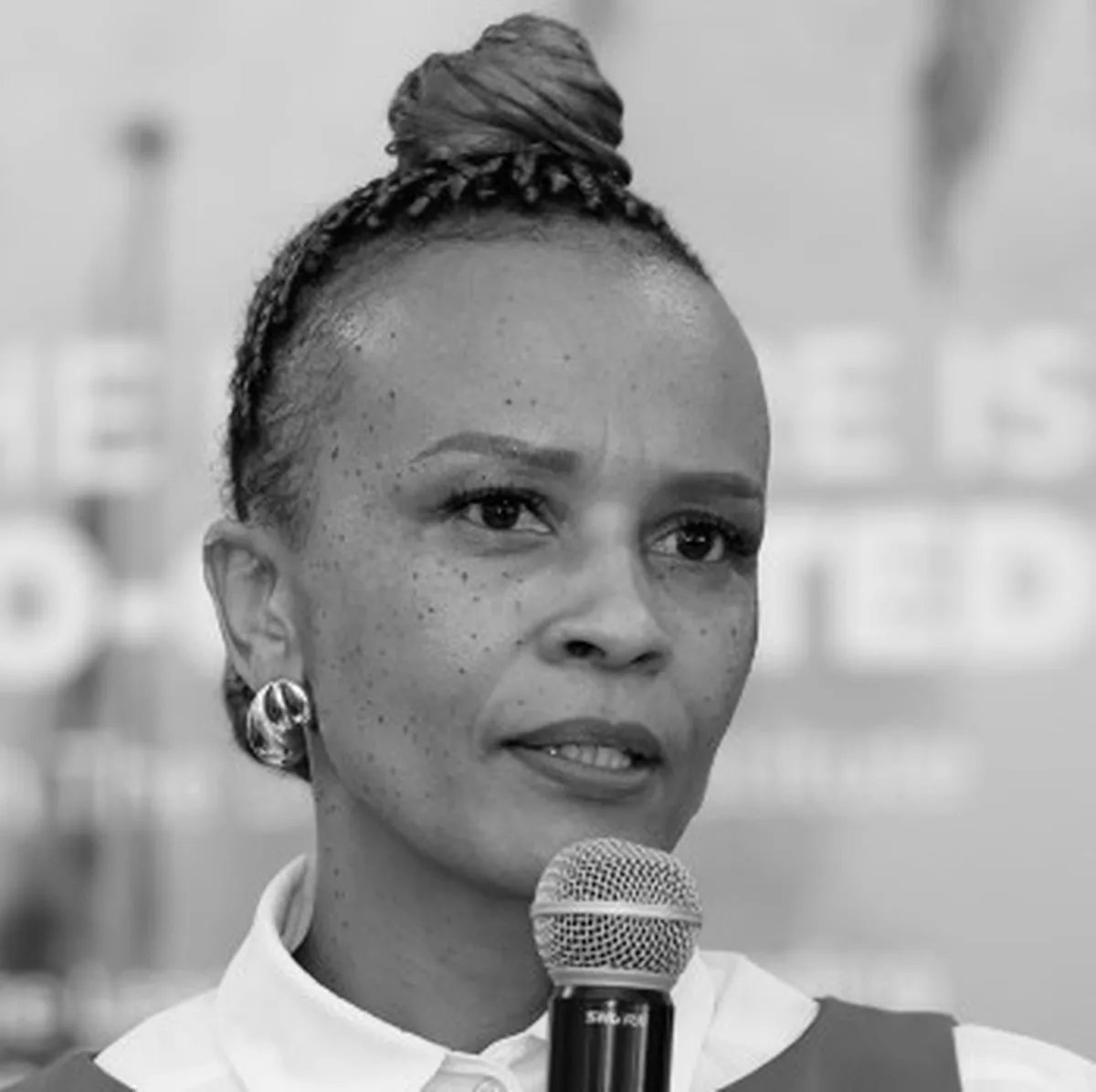
Wongiwe Mngwambe is an education strategist and Vice-Principal: Academics at Glen College of Agriculture with expertise in curriculum design, skills development, academic accreditation and Work Integrated Learning, focused on bridging education, industry and policy to build future-ready graduates and transformative learning systems.
If you think agriculture is about a farmer, a tractor and a field, you are looking at yesterday’s industry.
Tomorrow’s farmer may be working with artificial intelligence, drones, satellite imagery, sensors and data before breakfast. Technology can help determine when to plant, how much water a crop needs, whether a plant is showing signs of disease infection and what weather conditions could mean for the harvest.
This is not science fiction. It is the direction agriculture is already taking, and for South Africa, it presents an opportunity we cannot afford to ignore.
We often talk about agriculture in terms of food production, land, farmers, water and food security. But we do not talk enough about the young people and skills that will determine whether agriculture remains productive, competitive and sustainable.
Artificial intelligence can analyse vast amounts of information quickly. In agriculture, this can support early disease detection, identification of nutrient deficiencies, soil monitoring, weather prediction, irrigation management and better production decisions. For farmers facing rising input costs, water scarcity and unpredictable weather, better information can have real economic value.
But the bigger question is what technological change means for agricultural education and curriculum relevance.
For too many young South Africans, agriculture is still presented as an industry of manual labour and traditional farming. It is time to change that narrative. Agriculture now encompasses biotechnology, engineering, finance, logistics, food processing, marketing, data science, artificial intelligence and digital technology.
A young person who is passionate about technology can find a place in agriculture. So can a data analyst, entrepreneur, scientist, engineer or developer of digital solutions for farmers.
This changing landscape raises a fundamental question. Are our agricultural curricula preparing young people for the agriculture of today and tomorrow?
It is no longer enough to teach students only how to produce crops or manage livestock. They also need technology, data, entrepreneurship, sustainability, communication, innovation and problem-solving skills. They must be able to ask not only, “How have we always solved this?” but also, “Is there a better way?”
Institutions of higher learning have an important responsibility for developing knowledge and qualifications, but industry is closest to the realities of the workplace.
5News aggregated this summary from the outlet’s public feed. The full article, with all the context, is on www.dailymaverick.co.za — the content belongs to Daily Maverick.