The rules women are forced to learn to survive
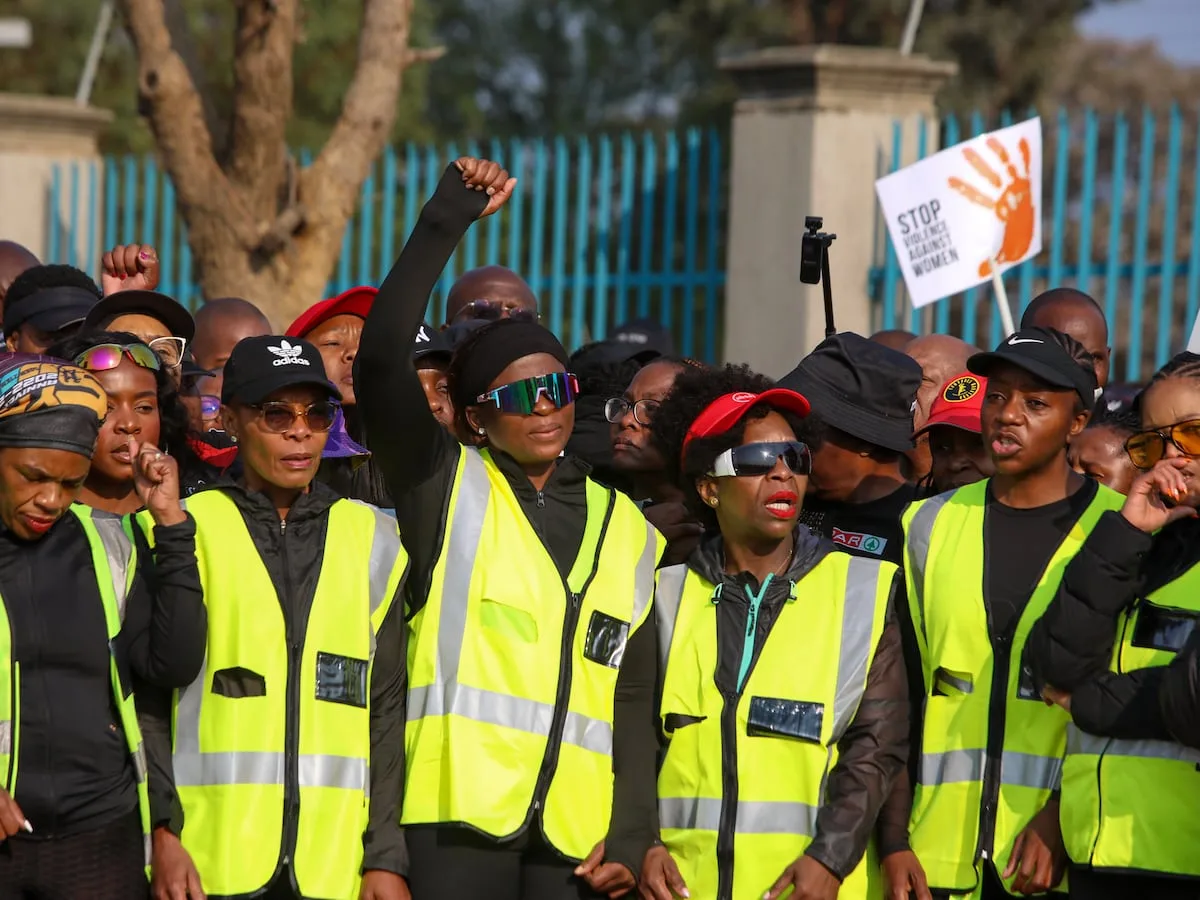
The discovery of the bodies of nine women in and around Kempton Park has horrified South African women, but it has not introduced us to a new fear. It has confirmed the danger that already shapes how we move, work, socialise, worship and exist in public.
The warnings that followed were familiar: do not walk or run alone, avoid isolated areas, change your routine and exercise in groups. Such advice may be necessary during an immediate threat, but temporary precautions have become permanent rules for women.
Every new act of violence produces another instruction for us, while far less is said to the men who make those instructions necessary.
We already share our locations, photograph vehicle registration numbers, check the back seats of our cars, watch our drinks and tell someone when we arrive home. We reconsider what we wear, where we park and how late we stay. Our vigilance is not the missing intervention.
Men terrify us. Not because every man is violent, but because no woman can know which man will respect her boundaries and which one will punish her for having them.
Fear can begin with something as ordinary as standing in a queue. A man positions himself unnecessarily close behind you. You move forward and he closes the gap again. Nothing has happened that you could easily report, yet you are already holding your bag more tightly, looking for an exit and deciding whether moving away might provoke him.
The same uncertainty arises when a car slows beside a woman or a group of men begins shouting comments. Catcalling is often dismissed as harmless attention, but the woman receiving it does not know how far the encounter will go. Ignoring a man may anger him. Responding may encourage him. Confronting him may escalate the situation.
Ignoring a man may anger him. Responding may encourage him. Confronting him may escalate the situation.
A woman approached while walking may feel compelled to give a man her number, not because she is interested, but because she fears his response to rejection. Even a false number may not offer an escape when he calls it immediately to check. She may smile or soften her refusal so she can leave safely. What appears to be a friendly exchange may be an act of self-protection.
That calculation follows women into the workplace. It is present when a colleague repeatedly comments on a woman’s body, when a manager’s attention becomes too personal or when professional opportunities appear to depend on how receptive she is to a powerful man.
Reporting him may threaten her career, particularly when he holds institutional power. She must decide whether speaking will protect her or leave her labelled difficult, dishonest or unable to take a joke. When she remains silent, that silence may later be treated as evidence that nothing happened rather than evidence of how unsafe reporting can feel.
Home does not guarantee safety either. A woman may be abused by a partner or relative. She may lock every door and still experience a break-in.
For traditional healers, herbalists and indigenous knowledge practitioners, this reality also restricts access to nature.
5News aggregated this summary from the outlet’s public feed. The full article, with all the context, is on www.businesslive.co.za — the content belongs to Business Day.