EDITORIAL | Succession planning is not rocket science, it is basic administration
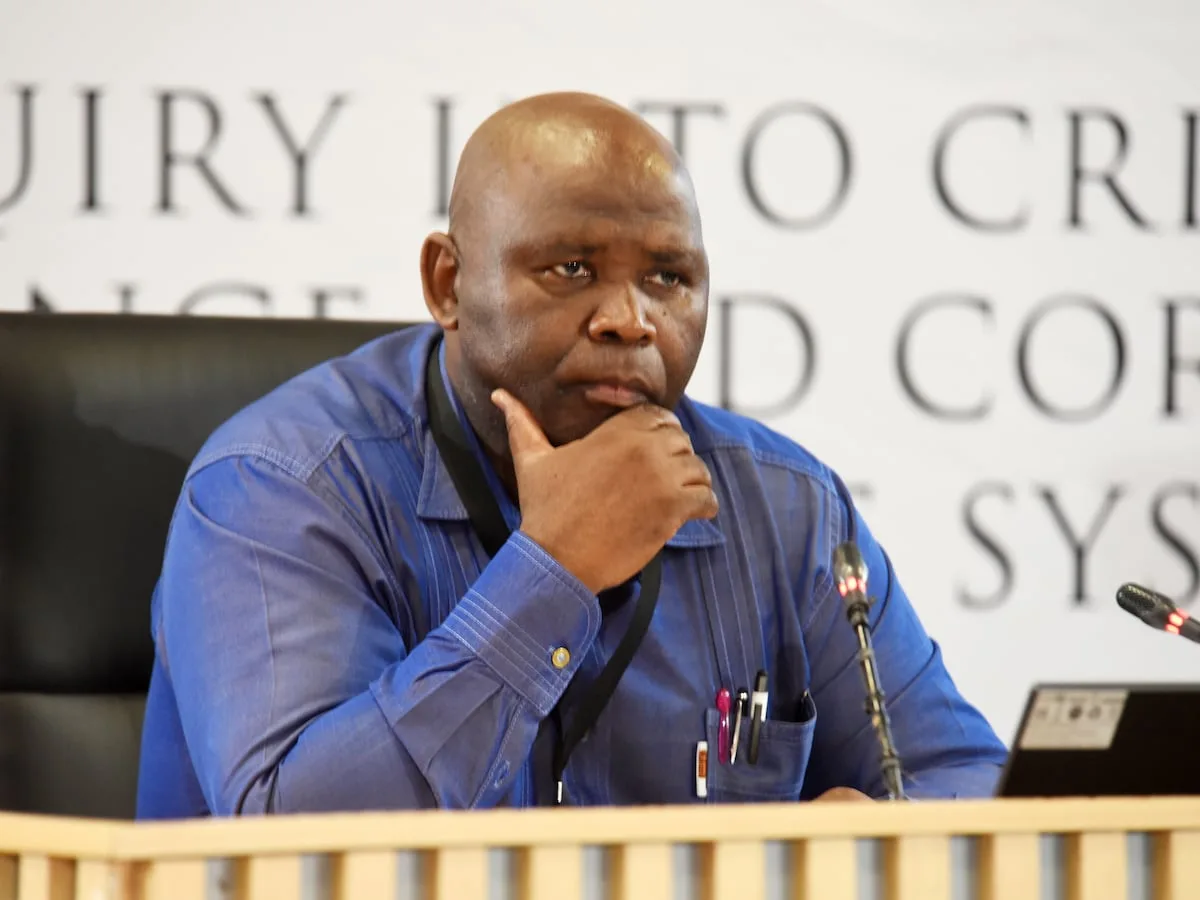
Public Service Commission chairperson Prof Somadoda Fikeni delivered a poignant assessment of the public service during his appearance before the Madlanga commission of inquiry probing allegations of corruption and abuse of power by actors in the criminal justice system.
In his testimony dubbed “the political economy of inefficiency”, Fikeni graphically detailed how government systems, processes and departments were being deliberately broken down for inefficiency and incompetence to flourish for the benefit of the corrupt.
One of the ways of doing this was to allow prolonged acting positions at the very high level of government departments.
A case in point, to amplify Fikeni’s ‘political economy of inefficiency” theory, is the department of public service and administration. The department tasked by law to lead in professionalising the public service has flopped at appointing its own permanent director-general.
More than 18 months after Yoliswa Makhasi’s contract ended in February 2025, the department of public service and administration remains leaderless at its highest level.
A ministerial selection panel has repeatedly failed to muster a quorum. The post was re-advertised and shortlisting still awaits confirmation of ministers’ diaries. The official hope is now early 2027.
This is not an isolated failure. At least 12 of the 42 national departments are currently run by acting heads. Among them are critical service-delivery engines — health, justice, social development and transport — as well as entities under the Presidency itself, including planning, monitoring and evaluation and the State Security Agency. The Government Communication and Information System has been without a permanent DG since December 2022.
Regulations are clear: acting positions should not stretch beyond 12 consecutive months. In practice, the rule is treated as optional. Departments drift under temporary authority, strategic planning stalls, accountability blurs, and the “political economy of inefficiency” that Fikeni recently described becomes the operating system.
Promises of professionalisation and merit-based appointments are repeated in every state of the nation address. The results remain the same: empty chairs where permanent, accountable leadership should sit.
Decision-making becomes tentative. Institutional memory frays. Capable officials who might have applied are deterred by the spectacle of protracted, politicised processes.
The excuses are familiar and threadbare. Panels cannot convene. Processes must be followed. Budgets are tight. Yet contracts have known end dates years in advance.
Succession planning is not rocket science; it is basic administration. When the very department that sets the rules for the public service cannot fill its own top post within a reasonable time, the message to every other department is unambiguous: urgency is optional.
This vacuum exacts a real cost. Without permanent accounting officers, departments struggle to drive reform, enforce discipline, or take long-term decisions with confidence. Service delivery suffers. Investor confidence erodes. Citizens experience the state as unreliable.
5News aggregated this summary from the outlet’s public feed. The full article, with all the context, is on www.timeslive.co.za — the content belongs to TimesLIVE.