WELLNESS: Creatine: What works, what might work, and what is still unproven
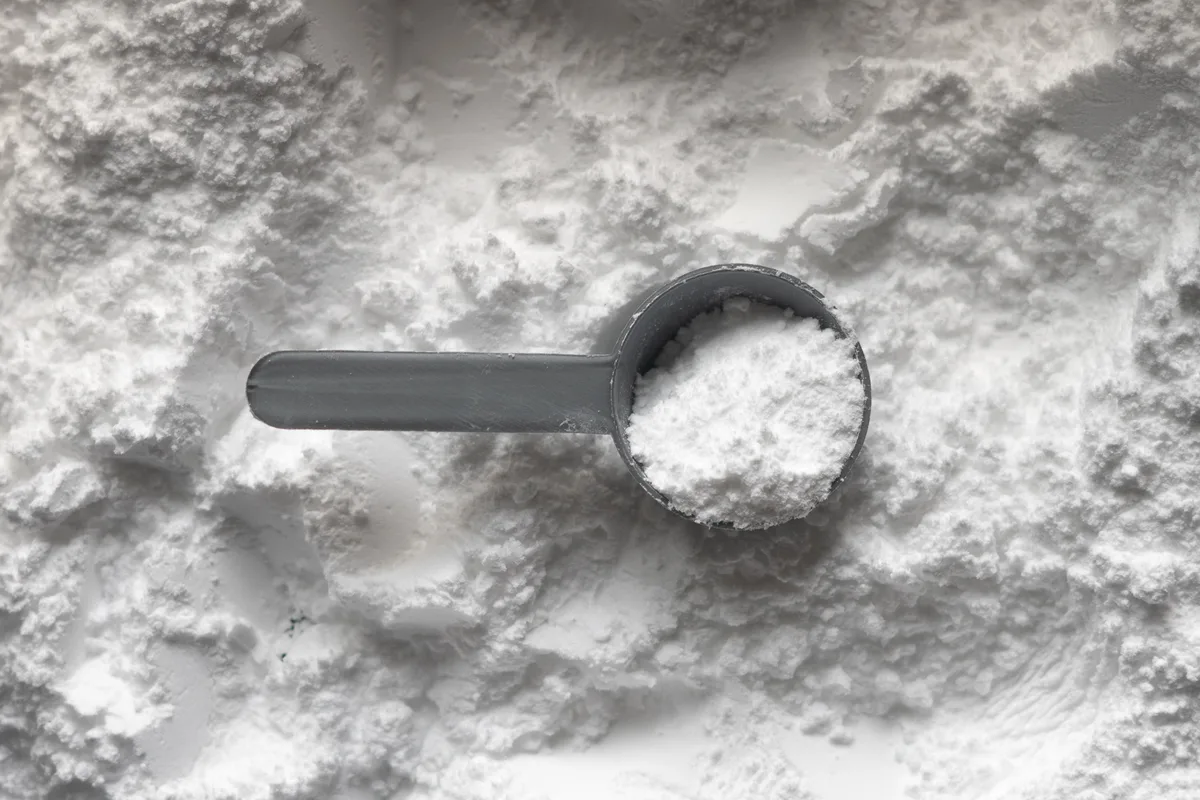
Think creatine is just for gym-goers? While algorithms love pushing the latest wellness trends, research suggests this extensively studied supplement may hold key benefits for brain health, longevity and disease support.
Health advice has never been easier to find. With TikTok, Instagram and AI at our fingertips, every second person seems to have become a health fundi, ready to tell us what we should be doing to stay younger, stronger and healthier for longer.
The problem is that algorithms can keep feeding us the same claims until a promising new study begins to look like hard evidence, and an interesting supplement starts to feel like something we should all be taking.
Creatine fits neatly into this trend, except for one important difference: it is hardly new and is already one of the most extensively studied sports supplements. What is new is the growing interest in benefits that may extend well beyond strength and athletic performance.
Researchers are investigating its effects on the brain, preventing muscle loss, improving bone density, and even its possible supportive role during cancer treatment.
So what does creatine actually do, who is most likely to benefit, and how much of the excitement is justified?
Nick Bester , one of South Africa’s best-known endurance athletes, won the Comrades Marathon in 1991, collected nine gold medals over 15 finishes and was also a multiple Ironman winner. He remembers starting creatine in the early 1990s, when it first became available in South Africa.
At the time it was largely associated with bodybuilders, weightlifters and serious athletes who relied on repeated bursts of power. Bester says the company marketing used him as something of a “guinea pig”. He noticed a difference quickly: his times in track sessions improved and he felt stronger.
But there was a downside for an endurance runner: he also gained weight; the extra weight came off after he reduced his daily dose from 5 grams to 2.5g per day.
Decades later, Bester, now manager of the Nedbank elite running team, still recommends small doses of creatine to select athletes to boost training quality and race performance. Among them is Dutch runner Piet Wiersma, who won the Comrades Marathon in 2024 and placed second in 2026.
Still, Bester emphasises that creatine is just one piece of the puzzle.
“At the end of the day it’s like any supplement, vitamin or mineral. You still have to eat properly and put in the training and hard work to get the benefit,” he says.
Former Springbok prop CJ van der Linde , who was part of South Africa’s 2007 World Cup-winning team, had a different experience. He remembers being encouraged to use creatine in the early 2000s, when advice around dosage and diet was far more hit and miss. Although some teammates swore by it, it did not work as well for him. He put on too much weight and developed cramps, so he stopped taking it.
For South Africa’s sprinting star Akani Simbine, every fraction of a second counts. In April, he ran the 100m in 9.98 seconds. It was his 12th consecutive season running under 10 seconds and his 51st sub-10-second race.
5News aggregated this summary from the outlet’s public feed. The full article, with all the context, is on www.dailymaverick.co.za — the content belongs to Daily Maverick.