MATTHEW MARRIAN | Risk exposure often creeps up unnoticed in rising markets
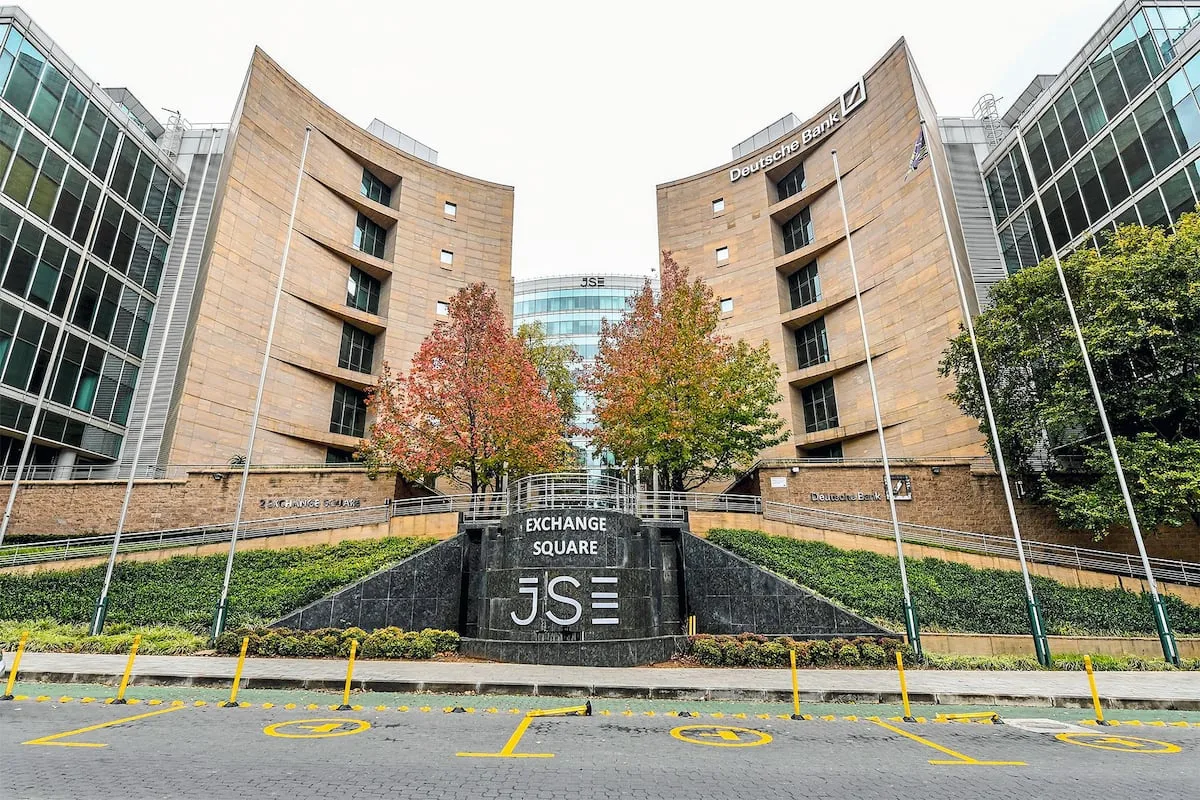
More than R1.6-trillion was wiped off the value of the JSE in September, with the market falling 6.7% in a single month. It is the kind of number that has people phoning their advisers to ask whether they should be doing something.
If your money sits in a portfolio spread widely enough to work through good markets and bad, and built in a shape that matches what you need the money to do, this news should not worry you in the slightest. A month like September matters only when one of those two things is missing.
What was reported as a market collapse was in truth a quite narrow move. Most of the damage came from the mining companies that dig up gold and platinum, whose shares fell as the price of those metals dropped.
Naspers and Prosus, the local giants whose value rests largely on their shareholding in Chinese technology company Tencent, explain much of the rest. Two groups of shares accounted for two-thirds of a monthly decline that was reported as though the whole market had given way. Yet none of those companies became a worse business in four weeks; people were simply selling.
The more revealing detail is what came before. In August the JSE was one of the best-performing major stock markets in the world, and the same gold mining shares that fell 15% in September had risen 38% the month before. Anyone who read those numbers and moved money accordingly bought weeks before the fall.
Three kinds of investors felt September in a way they will remember, and in each case the cause was how their money was arranged rather than bad luck. The first is the investor holding far more in one part of the market than they realised, because it grew there over several good years rather than because anyone chose it. The second is the investor carrying more risk than their circumstances can absorb — a position that creeps up on people precisely when markets have been kind.
Almost nobody decides to take more risk. They follow last month’s returns, as the August buyers did, and arrive there without noticing, because after a long run of rising prices risk begins to feel free and the bolder choice looks sensible. The risk that suits someone a decade from retirement becomes the risk carried by someone who needs the money next year.
The third, and by far most expensive, is the retiree whose portfolio was never built to pay an income through a month like this. For the first two, the loss is on paper and recovers in time. For this one it does not. When everything you own moves together and falls at once, the income has to come out of holdings that have just dropped in value, and a decline that should have been temporary becomes permanent. A portfolio built to pay an income in any market holds investments that do not all move in step, so the income comes from whatever has held its value while the rest recovers.
Set against the full year, the month matters less still. The market has fallen close to 7% over the first nine months, having risen 39% during 2025, and sits about 17% below its March high.
5News aggregated this summary from the outlet’s public feed. The full article, with all the context, is on www.businesslive.co.za — the content belongs to Business Day.