Part 8 | Hungry for change: When hunger becomes a health crisis
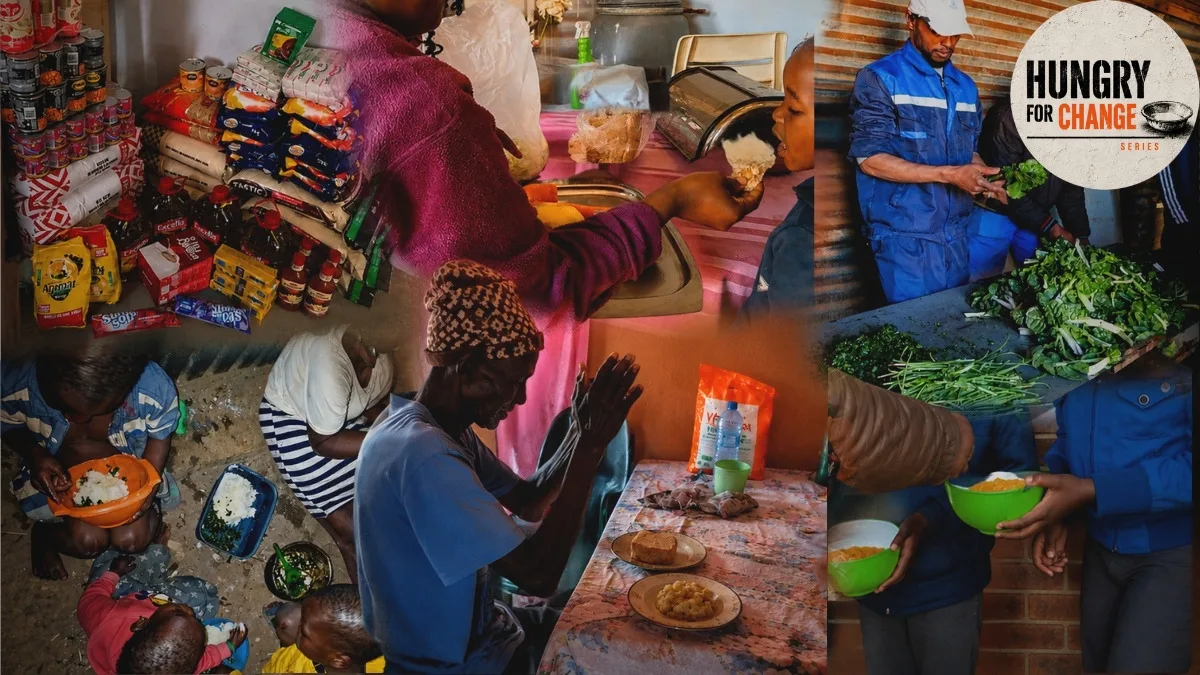
Health-e News Part 8 | Hungry for change: When hunger becomes a health crisis Health and nutrition experts say the health consequences of South Africa’s food insecurity crisis can begin long before someone becomes sick enough to need hospital treatment.
The scale of the crisis came under renewed scrutiny when the South African Human Rights Commission launched an inquiry late last year into the country’s food systems, amid estimates that around 14 million South Africans go to bed hungry.
Over several weeks, Health-e News documented how seven households and communities across South Africa are struggling to put enough food on the table.
In the final instalment of our Hungry For Change series, health and nutrition experts weigh in on what those meals – and the food people go without – can mean for their health.
When hunger puts a child’s life at risk When Zinzi’s* toddler became sick in March, she had diarrhoea, was vomiting and was very weak.
“I was told that my daughter was going to die and we were rushed to hospital,” the Lenasia South mother told Health-e News.
Her daughter spent a week at Chris Hani Baragwanath Hospital.
Zinzi says doctors told her the child was malnourished.
She survived.
But around 1,000 South African children die every year from preventable acute malnutrition.
According to the Human Sciences Research Council (HSRC) almost 29% of children under five are also stunted, an indication of chronic undernutrition.
Paediatric clinician and Wits Associate Professor Karl-Günter Technau, who spoke to Health-e News in his personal capacity, says inadequate nutrition can weaken children’s immunity and affect their development.
“They will also struggle to do activities their peers can do and not be able to learn and play as easily as others.
This may impact their development.” Technau says in his clinical experience, the problem is more often food insecurity than parents not knowing what children should eat.
5News aggregated this summary from the outlet’s public feed. The full article, with all the context, is on health-e.org.za — the content belongs to Health-e News.