SA experiencing a very strong El Niño event
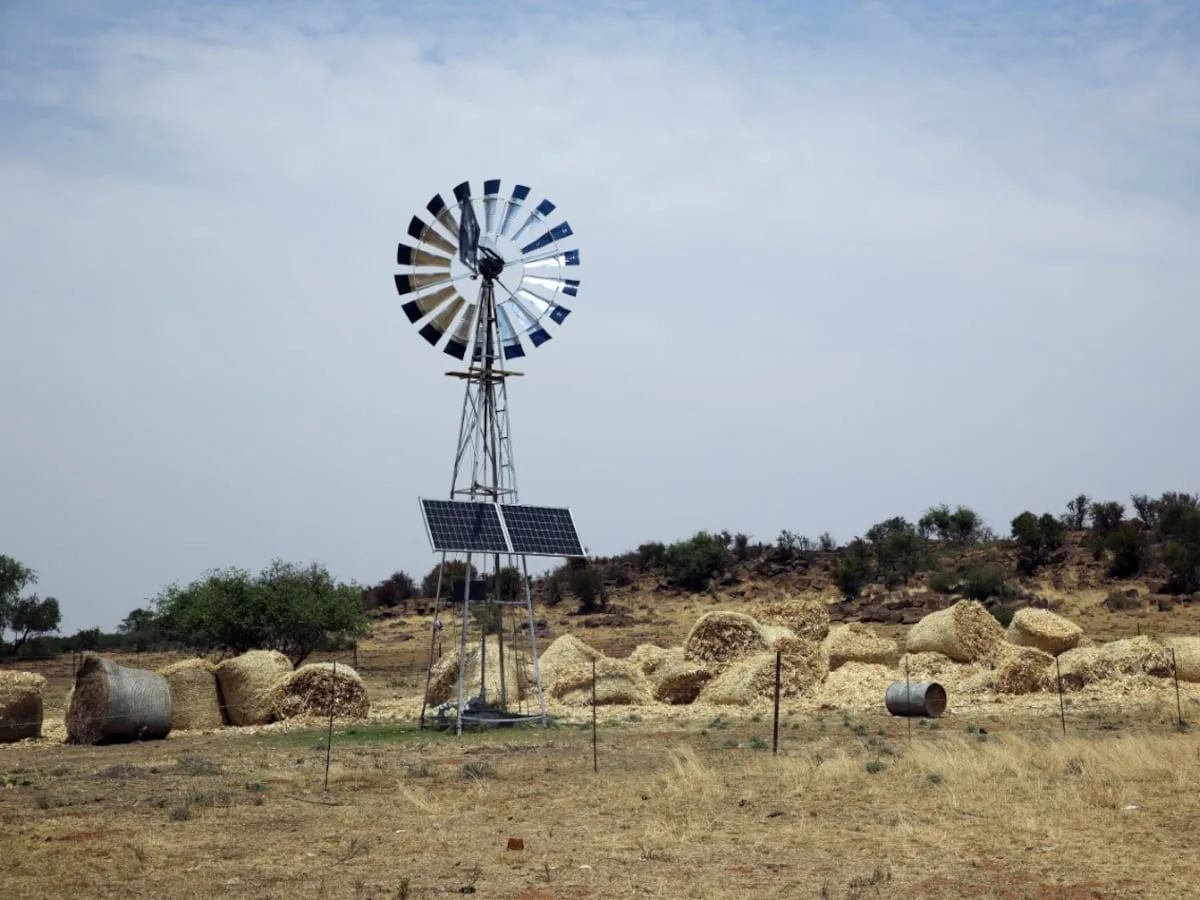
A very strong El Niño event is already under way, with seasonal forecasts pointing to an increased likelihood of below-normal rainfall and above-normal temperatures across parts of South Africa during the summer months.
Experts have warned that the strengthening El Niño weather patterns could bring hotter and drier conditions to parts of the country, increasing risks linked to heat exposure to livestock, and water demand.
“What distinguishes the current event is the unusually early emergence of a strong El Niño signal in seasonal forecasts,” said Dr Willem Landman, a meteorologist at the University of Pretoria specialising in seasonal climate prediction in southern Africa, during a climate engagement by the South African weather service (Saws).
“Forecasts issued during late summer 2026 already indicated the potential for a strong event, with subsequent forecasts showing a consistent increase in its expected magnitude.
“By mid-August, El Niño had become firmly established, with persistent and intensifying positive sea-surface temperature anomalies across the central-eastern equatorial Pacific. The event is now a mature coupled ocean–atmosphere phenomenon and is rapidly intensifying,” he said.
Landman said sea surface temperatures in the central Pacific Ocean had risen to more than 3°C above normal, placing the event in the very strong category.
He said seasonal forecasts indicate an increased likelihood of below-normal rainfall across much of South Africa’s summer rainfall region. The outlook covers three-month periods from October to December, November to January, and December to February.
Landman said the likelihood of below-normal rainfall increases as the country approaches the core summer months.
However, he cautioned that El Niño does not guarantee dry conditions across the entire country, with rainfall outcomes varying between regions and individual events.
“It’s not a complete certainty that it will be dry, but there’s very, very little chance it will be wet,” he said.
Rudzani Malala, senior manager for disaster risk reduction at Saws, said the country needed to prepare for both below-normal and above-normal rainfall, depending on the region.
5News aggregated this summary from the outlet’s public feed. The full article, with all the context, is on www.timeslive.co.za — the content belongs to TimesLIVE.