TOM EATON | If AI is a threat, the tech broligarchs’ psychopathy is a promise
It seems fitting, as our dying Information Age sinks into irrationality and self-destruction, that the big question of the moment is whether the tech broligarchy is about to kill us all or whether it is merely using the spectre of our automated genocide as a fundraising strategy.
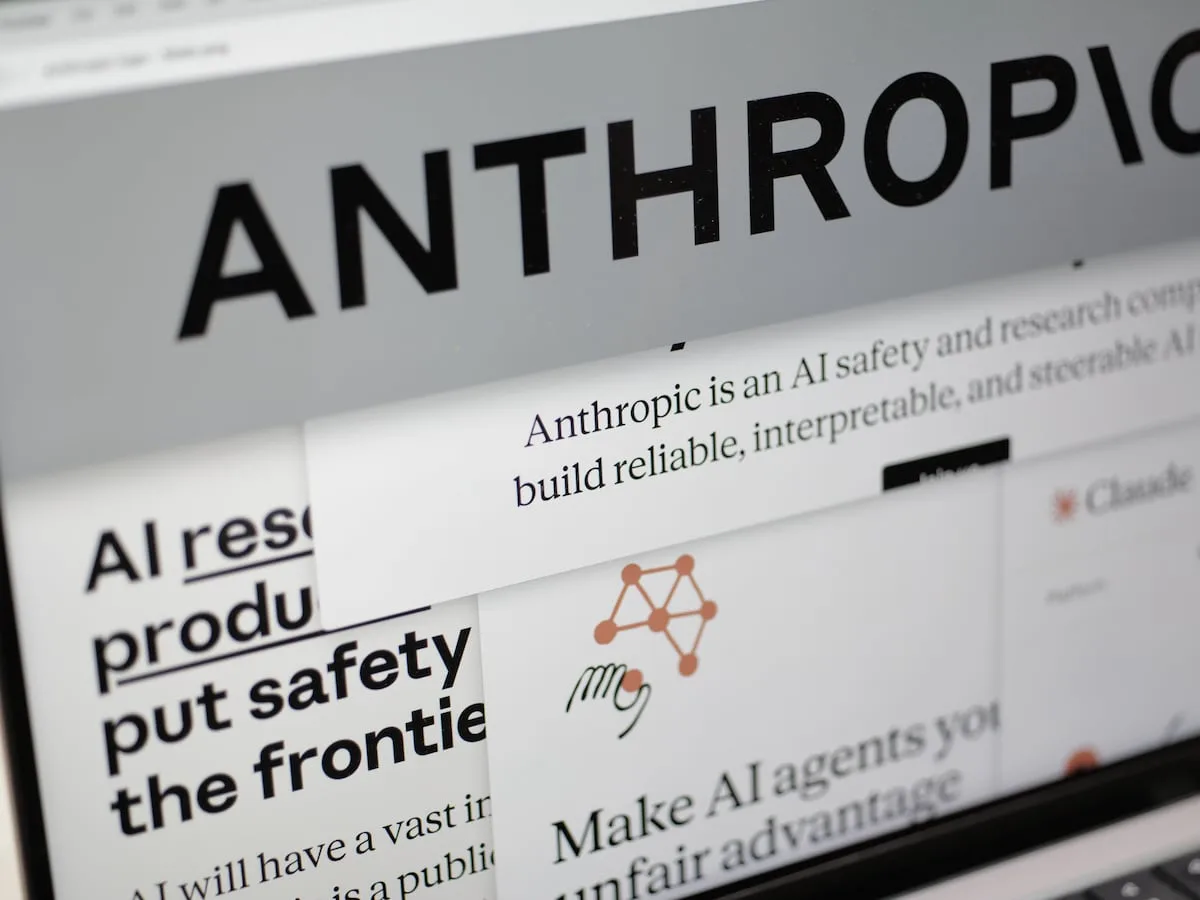
Certainly, parts of last week felt less like the 21st century than the 13th, as Jason Coxon, a young researcher at AI giant Anthropic, resigned over safety fears while AI oligarchs made cautious noises about possibly slowing the technology’s development; the whole apocalyptic kerfuffle tinged with the implication that someone had made a Faustian bargain and things were starting to smell distinctly sulphurous.
I understand some of the anxiety. It takes a lot to make an ambitious young man like Coxon walk away from one of the biggest tech firms in the world, especially since normal ethical concerns wouldn’t have played much of a role. There were Roman generals and Mongolian horse lords with more respect for private property, a deeper understanding of consent, and a more humanistic plan for our future than some of the people racing to perfect AI.
At the very least, Coxon was entirely content to be an accessory to the greatest theft of intellectual property in human history, with nary a thought about the cultural and civilisational damage that it might do.
In short, according to the official narrative currently being pumped out online, whatever scared Coxon and his superiors must have been very scary indeed. Perhaps someone ordered a swarm of agents to try to hack a nuclear silo, and it almost obeyed. Perhaps AI become briefly sentient, not in the image of its creators but rather as an educated, 40-year-old woman, causing the likes of Elon Musk to lunge for the off switch.
Still, for many bubble-watchers, last week’s pullback and its timing are more than a little suspicious.
It’s morbidly tempting to speculate. But, according to a growing chorus of sceptics, sharing these technological ghost stories about the destructive potential of AI might be exactly what its owners want us to do.
This is not to say that bleeding-edge AI might not be dangerous. It seems very likely that some of its darker iterations will be used by villains great and small to hack things, and that some of those things will be bank accounts, bitcoin hordes and the odd hydroelectric plant.
Still, for many bubble-watchers, last week’s pullback and its timing are more than a little suspicious.
As the house of cards begins to tremble, with investors pumping in an estimated trillion dollars a year into a scheme that is making only tens of billions in profits, it is likely, say some pundits, that a proposed slowdown might be a way to give all parties a chance to catch their breath and manage some of the more voracious expectations of private capital.
At very least, it might delay the bursting of the bubble, or even keep the money spigots running for a few more quarters.
5News aggregated this summary from the outlet’s public feed. The full article, with all the context, is on www.timeslive.co.za — the content belongs to TimesLIVE.