KZN heavy rain tests whether flood warnings reach vulnerable communities
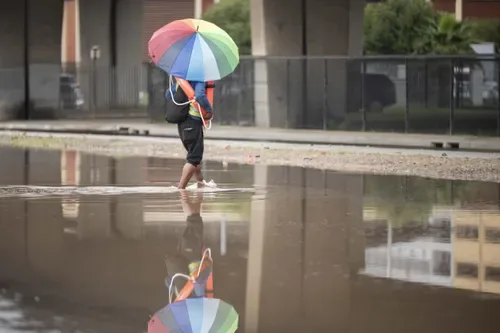
That warning from GroundWork representative Thalia Erwin has taken on new urgency after days of heavy rain battered parts of KwaZulu-Natal.
Erwin previously questioned whether residents understood South African Weather Service (SAWS) warning levels, asking: “What is a level 4 and what does that mean?”
She also warned that repeated alerts that do not lead to severe weather could cause warning fatigue, making communities less likely to respond when a dangerous system develops.
This week, SAWS issued an Orange Level 6 warning for disruptive rainfall along the KwaZulu-Natal coast and adjacent interior up to Richards Bay.
The warning included possible flooding of roads and formal and informal settlements, fast-flowing streams, dangerous deep water and the displacement of communities.
The warning was upgraded after forecasts indicated concentrated rainfall of between 50mm and 150mm in affected areas.
In eThekwini, the municipality activated emergency protocols and placed frontline services on high alert.
By Friday, localised mudslides in Tshelimnyama, near Pinetown, had caused about three houses to collapse, affecting 14 residents.
No deaths, injuries or entrapments were reported, according to the municipality.
Disaster Management teams were assessing the area and coordinating relief for affected families.
The municipality was also monitoring rising water levels in the Isipingo River and estuary. Teams opened the estuary mouth to help relieve water build-up and reduce the risk of flooding in surrounding communities.
For GroundWork’s David Hallowes, preparation cannot begin only once the rain arrives.
He said authorities needed to identify vulnerable communities before disaster struck, particularly people living in informal settlements close to rivers or on steep slopes.
Local government and relevant departments, he said, should map these areas, establish communication systems and have emergency response plans ready.
5News aggregated this summary from the outlet’s public feed. The full article, with all the context, is on iol.co.za — the content belongs to IOL.