PHALA PHALA: Parliament’s Impeachment Committee drops evidence leader; Ramaphosa’s Section 89 panel report court review starts
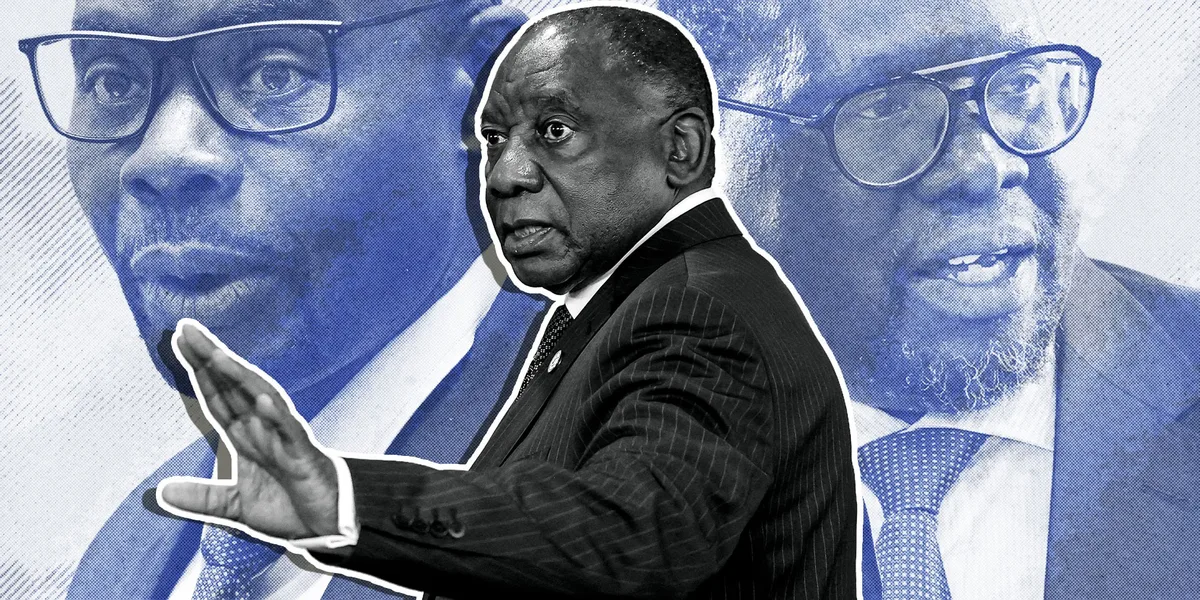
On the eve of President Cyril Ramaphosa’s court review of the Section 89 panel report that found he had a case to answer in the Phala Phala saga, Parliament’s impeachment committee appears to be back to square one – without an evidence leader or finalised terms of reference.
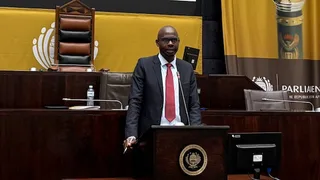
The political fault lines of the vote that in effect dropped Advocate Thandazani Madonsela as evidence leader in President Cyril Ramaphosa’s impeachment inquiry ran between political parties in the Government of National Unity, or GNU, and the so-called progressive caucus, including the MK party, EFF, African Transformation Movement (ATM) and others.
Tuesday’s vote – 18 against continuing with Madonsela as evidence leader and nine for – means the search for an evidence leader restarts with new nominations by Friday, to be discussed – and decided on – at the next Impeachment Committee meeting scheduled for next Wednesday, when the aim is to also finalise the terms of reference.
The vote came at the end of some three hours of often acrimonious debate marked by what opposition MPs described as delaying tactics.
The discussion and decision were triggered by Ramaphosa’s objection to Madonsela over claimed bias because he had removed Madonsela as the presidential rep on the Judicial Service Commission in 2022, and that the advocate, according to ANC secretary-general Fikile Mbalula, had “advised the ANC on matters related to the present impeachment inquiry”.
The legal opinion stated Madonsela had no actual conflict of interest, but made much of perceived conflict of interest as stipulated in the committee’s draft terms of reference. And that perception involved what was described as “new information” that it was the ANC Madonsela had provided advice to.
This was a reference to the disclosure made ahead of the 5 August committee vote that recommended Madonsela as evidence leader, when MPs were told he received a brief from a firm of attorneys to lead a junior advocate in legal opinions to “the study group in Parliament”, but that ended a month later in early July as he was too busy to do more than oversee the junior advocate.
Historically, it’s known that the ANC in Parliament has study groups. This emerged in the public eye again as recently as June 2026 in the controversy over the Public Service Commission advisory note that officials briefing ANC study groups “may give rise to significant risks”, issued following a DA complaint about study groups. The ANC in Parliament and its head office at Luthuli House publicly defended the study group practice.
In Tuesday’s Impeachment Committee, EFF MP Omphile Maotwe said “we always knew it was the ANC” as it’s the only party with study groups.
Or as ATM MP Vuyolwethu Zungula put it: “We know study group in Parliament is ANC… There is no ATM with a study group. There is no MKP with a study group…There is only one organisation with a study group, that is the ANC.”
However, the ANC argued against this, as its MP David Kgabo did when he said he thought study group referred to a parliamentary entity.
5News aggregated this summary from the outlet’s public feed. The full article, with all the context, is on www.dailymaverick.co.za — the content belongs to Daily Maverick.