City of Joburg wage bill absorbs 40% of residents’ payments
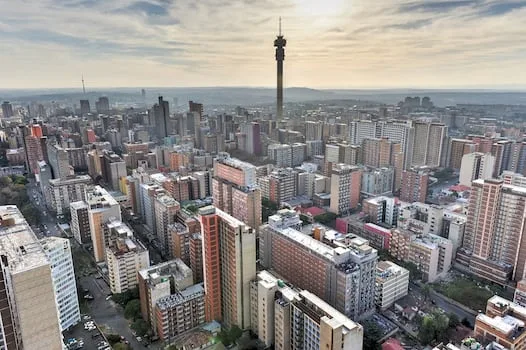
The City of Johannesburg metropolitan municipality, which is showing poor economic activity and only attracting a small number of new employed residents, is spending money it is unable to collect.
The Centre for Development and Enterprise (CDE) has warned rising costs and collapsing infrastructure investment are pushing South Africa’s most important city into a dangerous financial spiral.
It says Johannesburg’s budget is increasingly disconnected from reality. The city spends money it does not collect, imposing ever-higher costs on a shrinking rates base and stagnant economy, while squeezing infrastructure investment and turning its suppliers into de facto lenders.
This is the central finding of a CDE report titled “Joburg’s Broken Budget”.
“Johannesburg’s financial crisis is much more serious than an annual budget deficit,” said CDE executive director Ann Bernstein. “The city has become dangerously disconnected from financial reality. It bills residents and businesses, records those bills as revenue and spends on the assumption the money will arrive. Increasingly, it doesn’t.”
“This is a classic municipal doom loop,” said Bernstein. “Residents receive deteriorating services and become less willing or able to pay. The city responds by increasing rates and tariffs on those who do pay. More customers then struggle to pay or find ways to reduce their use of municipal services. Revenue weakens further, maintenance is postponed and services deteriorate again.”
The financial squeeze is occurring against the background of a weak Johannesburg economy.
Over the past decade the city’s economy has grown by about one percent a year in real terms.
Between 2015 and 2025, Johannesburg’s working-age population increased by more than 760,000 people, while the number of employed people rose by only about 30,000.
Over the same period, the city’s spending has increased much faster than its stagnant economy can support.
“A city cannot indefinitely increase the cost of poor and declining services for an economy that is barely growing,” said Bernstein.
Johannesburg can survive potholes and poor refuse collection for a while. It cannot survive without reliable water.
“Johannesburg increasingly expects a shrinking group of compliant households and businesses to carry an ever-larger financial burden, and this in a context in which infrastructural deterioration is undermining the prospects for growth.”
The problem is especially visible in electricity. Electricity once provided a crucial source of revenue for the city. Its share of total municipal revenue has fallen from 34% in 2014/15 to 28% in 2024/25, while the amount of electricity purchased and sold has declined significantly. Electricity losses, however, have continued to account for 30% of all the megawatts the city buys, double the amount of the City of Cape Town.
5News aggregated this summary from the outlet’s public feed. The full article, with all the context, is on www.timeslive.co.za — the content belongs to TimesLIVE News.