UNCOOPERATIVE GOVERNANCE: Nelson Mandela Bay wants residents to repay electricity rebates if it wins court bid
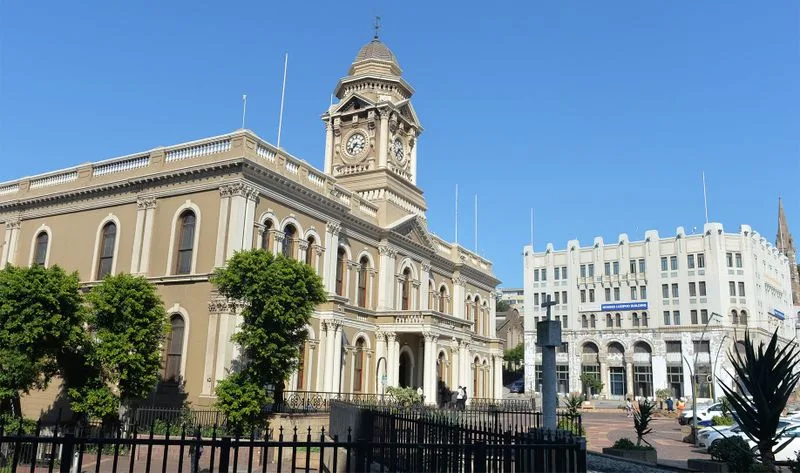
The Nelson Mandela Bay municipality is challenging the return to cheaper electricity and says residents could have to repay rebates and credits if it succeeds in keeping the R4.50 flat tariff.
The Nelson Mandela Bay municipality wants to keep charging residents R4.50 for every unit of electricity they buy, even though a court has ordered it to revert to the previous system, under which the first 300 units of electricity each month were cheaper.
The DA took the municipality to court, and on 4 August 2026 the Gqeberha high court ordered the metro to restore the old tariff and credit residents for amounts they had overpaid . The municipality agreed to the urgent order.
Now, however, the municipality wants to return to the flat rate. Acting city manager Lonwabo Ngoqo said on Thursday that the municipality would argue its position when the case returned to the high court later in 2026.
Ngoqo said returning to the Inclining Block Tariff (IBT), under which the first units of electricity were charged at a lower rate, could leave a hole in the municipality’s budget because it was based on the R4.50 flat rate.
He was speaking on the sidelines of a postponed Budget and Treasury Committee meeting on Thursday, which could not go ahead because most committee members were absent.
“How the revised tariff will affect the overall budget of the municipality is actually a very serious matter that could cause a deficit. The current budget is based on the flat rate, so the revised tariff will definitely have a negative effect on it, as we would have to make adjustments. The adjustments will determine whether our budget remains funded; we will look into other avenues we can explore in terms of doing that.”
After the court order, the municipality welcomed the return to the IBT, presenting it as evidence that it had listened to residents. Mayor Babalwa Lobishe said: “When residents expressed concern, we listened. When the court provided clarity, we accepted our constitutional responsibility to implement its order.”
But that position has now been reversed. According to Ngoqo, the municipality is preparing to argue Part B of the DA’s court application challenging the electricity tariff — the very tariff it had agreed to reverse — because its budget was built around the higher rate.
Municipal spokesperson Sithembiso Soyaya said Nersa had considered the metro’s application on 7 September and approved the changes needed to return affected domestic electricity customers to the IBT.
“The approved amendments apply to the affected domestic tariff categories that were moved from the Inclining Block Tariff structure to flat rate pricing during the 2026/27 financial year. Importantly, Nersa has confirmed that the amendment is limited to these affected domestic categories.
“The domestic time of use, commercial, industrial, wheeling, small-scale embedded generation and all other unaffected tariff categories remain unchanged from the tariffs previously approved by Nersa on 11 May 2026.”
Soyaya said Nersa had approved the return to the IBT, but had rejected the municipality’s proposed monthly basic charge for domestic prepaid customers of R91.54 a month.
5News aggregated this summary from the outlet’s public feed. The full article, with all the context, is on www.dailymaverick.co.za — the content belongs to Daily Maverick.