NEWS ANALYSIS | The great wealth trek from Joburg to Cape Town accelerates
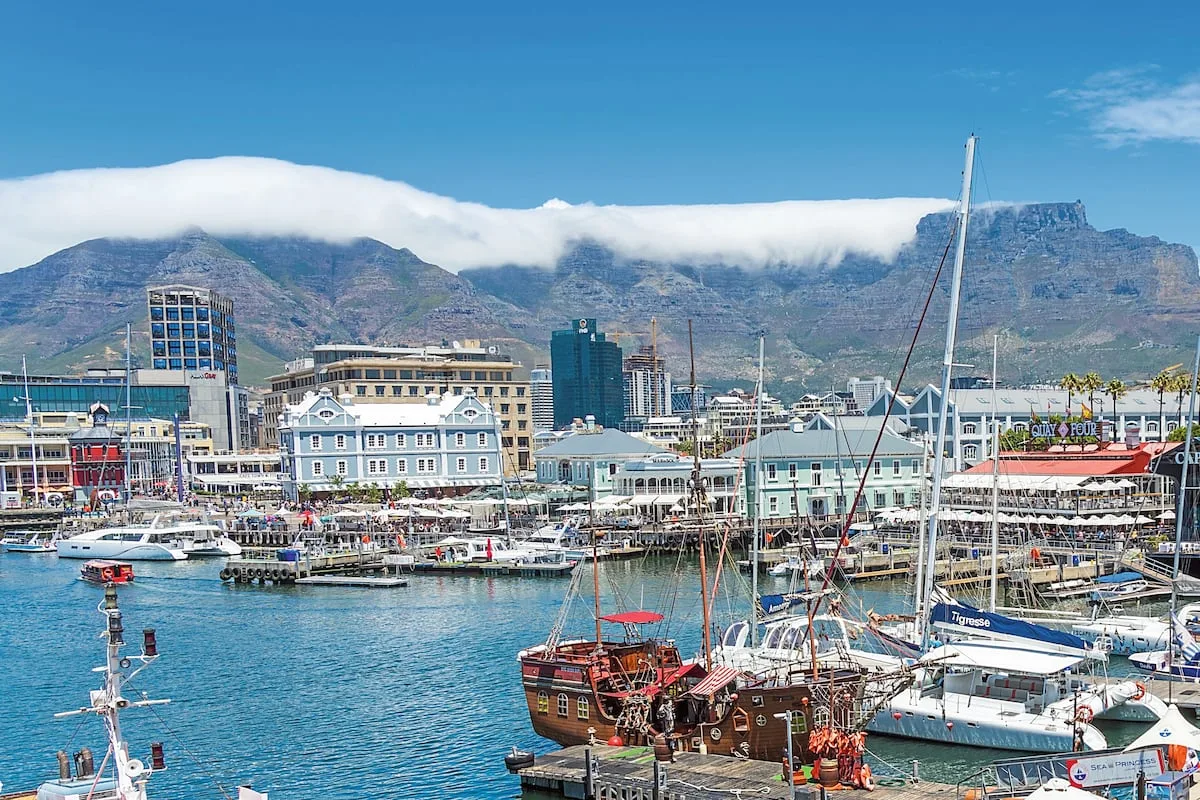
Johannesburg, founded some 140 years ago after the discovery of gold transformed a small tented mining camp into the economic and financial powerhouse of Africa, is continuing to lose its wealthy residents to Cape Town.
In the past decade, as services and quality of life deteriorate in Johannesburg, Cape Town has not only been the preferred domestic holiday destination for the affluent but also a place to live and work. The contrasting fortunes of the two cities, which between them account for more than a quarter of South Africa’s economy, are laid bare in the latest Henley & Partners wealth report.
The report shows that Johannesburg shed about one in three of its dollar millionaires between 2015 and 2025, while Cape Town saw a 33% surge among the wealthy who decided to call it home. The data shows just over 8,500 ultra-rich South Africans now reside in Cape Town, with Johannesburg home to about 11,700.
The Cape Winelands region, known for its fine dining, world-class wine, historic Cape Dutch architecture and dramatic mountain scenery, saw a surge of 42% in wealthy migrant numbers during the decade and now boasts about 3,800 people in this category, including three dollar billionaires.
The country’s wealthiest man, Johann Rupert, has real estate in Stellenbosch, and so do several other of the country’s deep-pocketed businesspeople and heirs to enormous wealth.
The Garden Route region is another magnet for the rich, with arrivals up 30% in the decade, taking its share of the million-dollar-plus demographic to 3,200.
Combined, Cape Town , the Winelands and the Garden Route constitute the largest concentration of wealth in Africa.
Tshwane is also shedding wealthy residents, recording a drop of 15% in the past decade, but the Umhlanga-Ballito zone on the KwaZulu-Natal North Coast remains stable in terms of the uber-rich.
Citadel, the specialist wealth management company with about R439.6bn assets under management, said the Henley & Partners findings align with its own experience. Citadel told Business Times 63 of its clients relocated from Gauteng to the Western Cape over the past year.
Leonard Weeks, advisory partner at Citadel, said semigration to the Western Cape is typically motivated by lifestyle, safety, quality schools, good health care, access to nature and financial opportunities.
However, he said such a move can affect a family’s long-term financial position, particularly if it results in assets, businesses, family members and professional relationships becoming spread across different locations.
Concentration risks can arise when lifestyle property starts absorbing a disproportionate share of family wealth
“When you and your family live and work in different places or your business interests and assets are spread across different locations, your wealth plan needs to adapt accordingly,” Weeks said.
“Concentration risks can arise when lifestyle property starts absorbing a disproportionate share of family wealth. It is vital to distinguish between a lifestyle asset and an asset expected to generate long-term investment returns,” he said.
5News aggregated this summary from the outlet’s public feed. The full article, with all the context, is on www.businesslive.co.za — the content belongs to Business Day.