What happens when an unidentified body is found in South Africa?
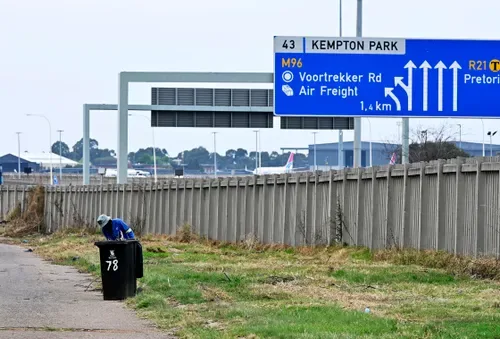
Gauteng police have made the grim discovery of several bodies of mostly half-naked women murdered in the Kempton Park area.
Earlier this week, a ninth woman was found dead in Gauteng in what has been called the Kempton Park killings. Over the course of nine weeks, the women have been found naked or partially naked, and/or in varying stages of decomposition.
At the time of publishing, only three women have been identified, which raises an important question: What happens when an unidentified body is found in South Africa?
When police discover a body and cannot immediately identify who the deceased is, the case does not simply end with the body being taken to a mortuary.
A series of investigative, forensic and administrative steps will be done, which includes trying to establish the person's identity, determining how they died and tracing relatives.
The process can also become more complicated when fingerprints are unavailable, the body is badly decomposed, or there are no obvious identifying documents.
The first step is to treat the discovery as a matter requiring investigation, particularly where the circumstances suggest that the person may have died from anything other than natural causes.
Under the Inquests Act, a police officer who has reason to believe that a person died from other than natural causes must investigate, or cause the circumstances of the death to be investigated. The Act also provides for examination of the body by a medical practitioner.
In practice, police establish the circumstances in which the body was found, preserve relevant evidence and begin looking for information that could help establish who the deceased was.
The deceased is then taken into the forensic pathology system, where examinations can assist investigators in establishing the cause and circumstances of death as well as information that may help identify the person.
A body may arrive without an identity document or other obvious form of identification. In some cases, decomposition, injuries or other circumstances can make the process more difficult.
The Department of Health's forensic pathology system works with SAPS on identification and death investigations.
A 2024 parliamentary record detailing information provided by the Department of Health states that fingerprints are collected from identified and unidentified bodies admitted to Forensic Pathology Service mortuaries.
Those fingerprints are captured on an SAPS 192 form and submitted through SAPS and Home Affairs procedures to try to establish the deceased person's identity.
5News aggregated this summary from the outlet’s public feed. The full article, with all the context, is on iol.co.za — the content belongs to IOL.