MANUFACTURED OUTRAGE OP-ED: How disinformation networks amplify online xenophobia in SA
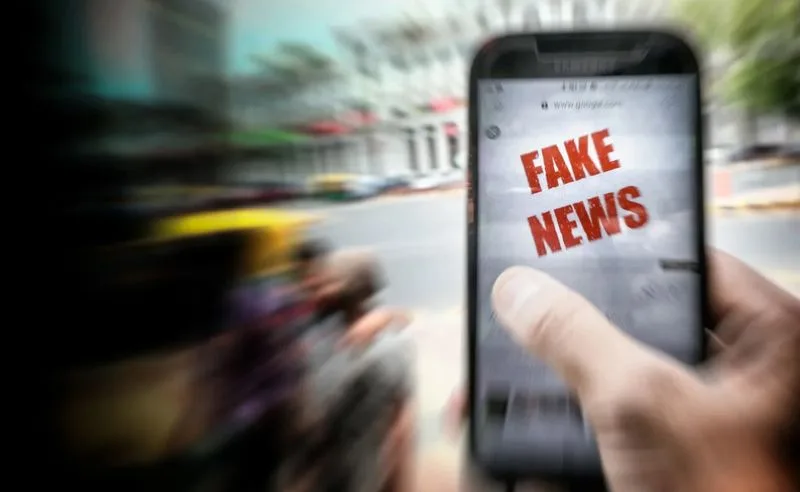
A new report reveals how disinformation networks use bots and fake consensus to turn South Africa’s real social frustrations into coordinated anti-foreigner outrage.
A video appears on your social media feed. Red emojis flash across the screen. The caption warns of a crisis. The comments are angry. Within minutes, hundreds of people have shared it. You watch. You react. You share.
But before doing so, there is another question worth asking: Why did this content reach you in the first place?
Social media research by non-profit organisation Tales of Turning suggests that some anti-foreign-national narratives circulating on social media in South Africa are not simply the result of spontaneous public anger.
Tales of Turning is a local organisation that uses social media and online conversations to prevent violence, hate speech and help communities heal.
The organisation analysed a randomised sample of publicly available social media posts from 30 May and 30 June 2026, using artificial intelligence alongside human analysis to identify patterns of misinformation, disinformation, hate speech and coordinated amplification.
The report found that “27% of the anti-foreign-national narrative analysed was linked to a disinformation network of disruptor and bot accounts”.
The observations raise a difficult question about the online information environment: how much of the outrage people encounter is organic, and how much is being deliberately amplified?
Disinformation campaigns use divide-and-rule strategies to erode social trust and force people into opposing sides. They present one group as a serious threat to another, making it harder for people to find common ground or consider different perspectives. The aim is to turn disagreement into fear and hostility, encouraging people to see those on the other side as enemies rather than people with different views.
Tales of Turning’s research identified a recurring narrative in which South Africans are portrayed as citizens, taxpayers and patriots under threat, while foreign nationals are characterised as illegal invaders, criminals or economic threats.
That framing is often connected to genuine social problems: unemployment, crime, housing shortages, pressure on public services, failing infrastructure and difficulties faced by small-scale businesses.
Reducing them to a single explanation, that foreign nationals are responsible, can turn legitimate frustration into hostility towards an entire group.
The research demonstrates that anti-foreigner sentiment can also be presented through seemingly legitimate appeals for “law enforcement”, “sovereignty enforcement” and compliance with immigration laws.
Coded language, altered spellings and symbols may further allow users to communicate hostile messages while attempting to avoid content moderation.
5News aggregated this summary from the outlet’s public feed. The full article, with all the context, is on www.dailymaverick.co.za — the content belongs to Daily Maverick.