From your bin to cash: The hidden economy of waste picking
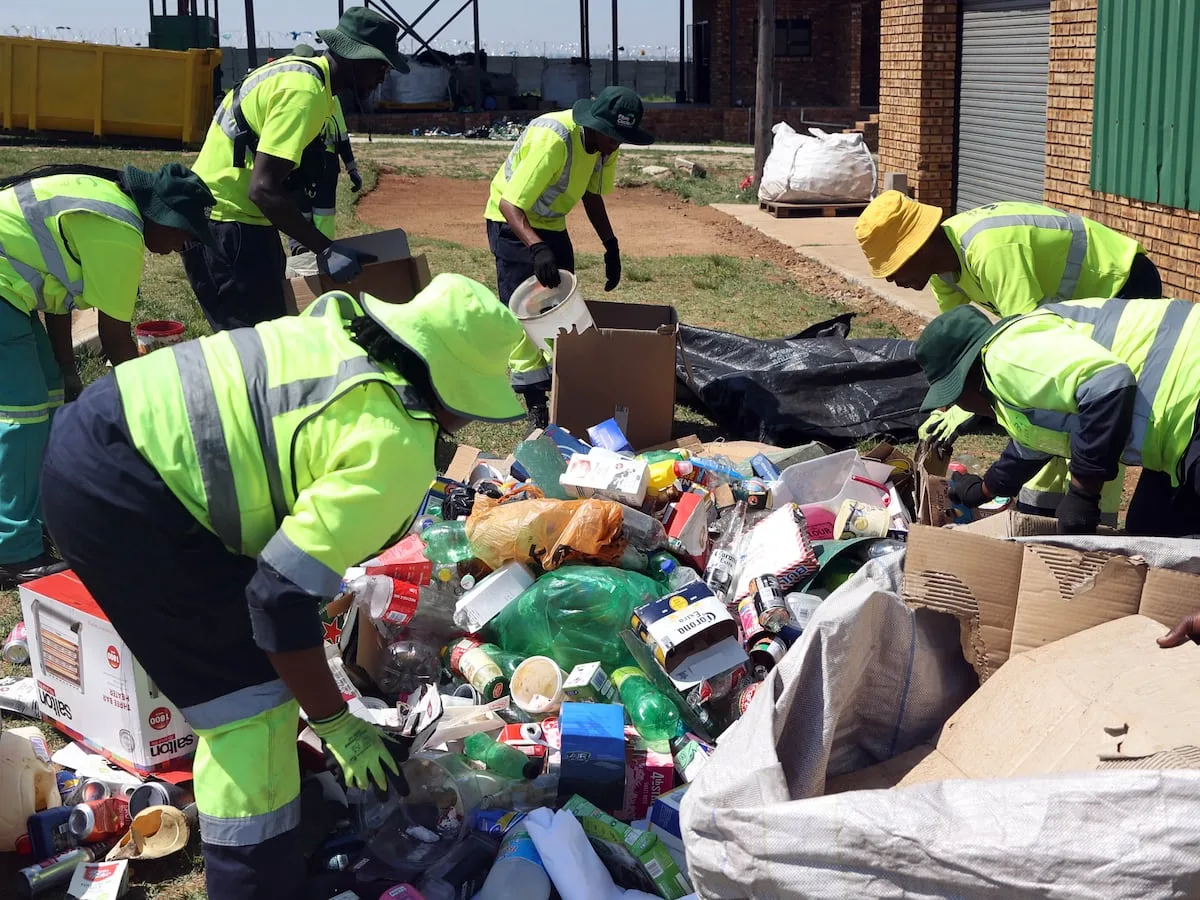
For thousands of waste pickers, discarded plastic bottles, milk containers, cardboard and other recyclable materials are not junk but a source of income.
At least 15,000 waste pickers are recorded in the Extended Producer Responsibility (EPR) programme in Gauteng and KwaZulu-Natal.
EPR is a mandatory environmental policy approach that holds producers, importers and brand owners legally accountable for the entire lifecycle of their products.
Sifiso Gumbi, a waste picker and founder of Urban Surfer, an organisation for waste pickers in Gauteng, said polyethylene terephthalate (PET), found in clear cold-drink bottles, is among the most valuable and widely recovered plastics.
“The everyday items include Coca-Cola bottles and other fizzy-drink bottles, which are PET,” Gumbi said. “Milk containers are HDPE, or high-density polyethylene. Flexible plastics, such as wrapping or plastic shopping bags, are usually LDPE [low-density polyethylene] and can also be recycled. But among those plastics, PET bottles are the most valuable.”
From two-litre cold-drink bottles to milk containers, yoghurt tubs and cardboard, household waste can have economic value long after it has been discarded.
But that value depends on the material, where it is collected and constantly changing market conditions. Gumbi said PET currently fetches about R3.50/kg, down from about R7/kg six to eight months ago.
“Recycling is also subject to fluctuations like any other market because the recycling items that they recover are actually commodities.”
Musa Chamane from GroundWork Friends of the Earth said recyclable prices were also affected by broader economic conditions, including transport costs.
“The price of recyclables that waste pickers are relying on to make a living does get affected by markets,” Chamane said. “Mainly because if the petrol price has risen, like it’s been going up, that means the person who buys those materials from waste pickers has to factor in the transport costs.”
He said aluminium cans could previously fetch about R14/kg but dropped to around R10/kg when market conditions deteriorated.
Both Gumbi and Chamane said prices paid to reclaimers by buyback centres were not regulated, though discussions around regulation were under way.
Chamane said falling prices could force waste pickers to hold on to recyclable materials until conditions improved.
“When the market crashes, they sometimes have to pause working. They will stop even selling their stuff, maybe stashing the items at home, waiting for the market to recover,” he said.
5News aggregated this summary from the outlet’s public feed. The full article, with all the context, is on www.timeslive.co.za — the content belongs to TimesLIVE.