‘Stop the bleeding’? A Trump move to stop the diesel spike could hurt all of us
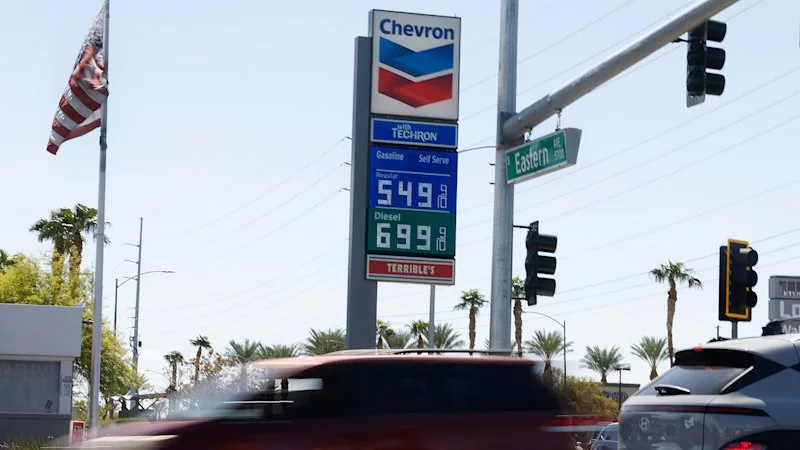
The Trump White House is under mounting pressure to “do something” about the price of diesel in the US. That something would have dire consequences for much of the world, including the US - and Australia, the world’s biggest per-capita user of the fuel.
A lengthening queue of Republicans, including Senate majority leader John Thune, have called for the US to consider banning or restricting exports of diesel after its average domestic price hit another record of $US6.51 a gallon on Monday. That’s about 75 per cent higher than the average US price a year ago.
With farmers, who are about to start their autumn harvest season, the heartland constituency for Republicans, it isn’t surprising that their political representatives, mainly Republicans, are becoming anxious in the lead-up to November’s midterm elections.
Where the White House initially waved off suggestions of limiting diesel exports, arguing – rightly – that it could be counter-productive, there have been signs recently that the attitude is thawing as the elections loom.
Donald Trump appears to be very aware of the political implications, but is misdiagnosing the cause of the big spike in prices.
At the weekend, he repeated his call for Ukraine to stop its drone attacks on Russian refineries, almost all of which – with the exception of a handful of hard-to-reach plants in Siberia – have been damaged by Ukrainian bombing.
“Russia has unfortunately lost control of its Diesel Oil Industry due to its War with Ukraine,” Trump posted on Truth Social.
“A large number of their Diesel refineries have been blown up and are, at least temporarily, out of commission. This ridiculous and never ending War with Ukraine must be ended.”
As a result of the Ukrainian attacks, Russia – a major exporter of diesel before its invasion of the country – has halted all exports and is now importing diesel, mainly from India.
While that is contributing to the surge in diesel prices globally, it isn’t the primary cause.
Last year, Russia exported about 800,000 barrels a day of diesel and gas oil, making it the world’s second-largest exporter behind the US. The Middle East, as a region, however, exported about 1.5 million barrels a day.
With those Middle Eastern exports now reduced by more than 50 per cent, it is Trump’s war on Iran that’s the major influence on the diesel shortages that are driving up prices.
It hasn’t helped that China, a major processor of crude oil into distillates including diesel, halted exports earlier this year after the attacks on Iran. It subsequently resumed them but, with its inventories at their lowest level for more than a year, is expected to reintroduce export curbs.
Moreover, unlike crude supply, where the end of hostilities in the Middle East would see a rapid rebound in supply, elevated diesel prices are likely to be a feature of the global markets for months after the war’s conclusion, if not years, because of the extensive damage to the region’s refineries. The same timelines would apply to Russia’s infrastructure if that war were to end.
5News aggregated this summary from the outlet’s public feed. The full article, with all the context, is on www.theage.com.au — the content belongs to The Age - Home.