A plan exists for a fairer and healthier food system. Which party policies align best?
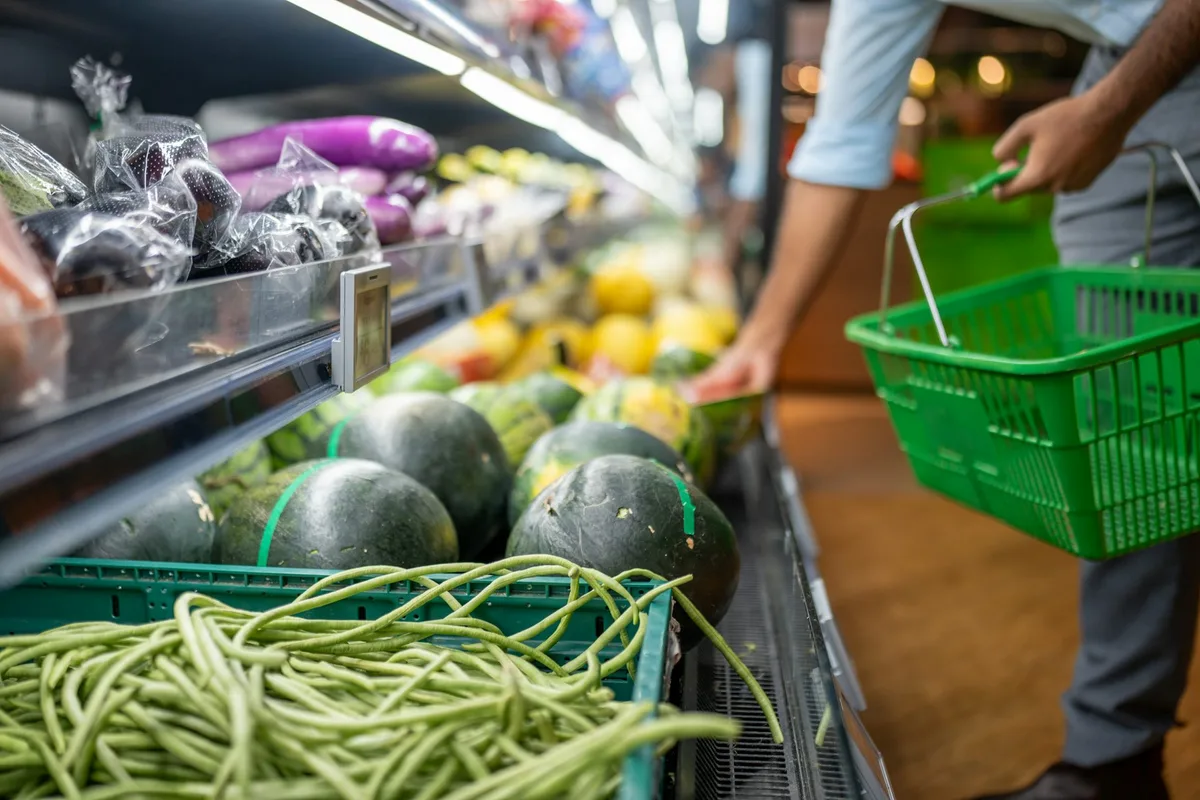
Getty Images Aotearoa New Zealand produces enough food annually to feed 40 million people – most of it exported.
Yet it is estimated one in three households experience some form of hunger or food insecurity .
In general, food insecurity describes the hard financial choices some people have to make between paying for housing, energy, transport or food.
It can mean families skipping meals, parents going without so children can eat, and children whose only meal might be a school-provided lunch.
The problem has been exacerbated by soaring food prices caused by global disruption of supply chains and rising fuel costs.
Climate change and extreme weather events can exacerbate the problem .
Meanwhile, household incomes have stagnated relative to inflation.
The availability and consumption of ultra-processed foods grows, and with it the impact of diet-related disease .
While these problems are often reported and analysed individually, cumulatively they contribute to a bigger picture of food security that deserves greater scrutiny.
In 2023, the Public Health Advisory Committee was tasked by the then Labour-led government to investigate the national food system.
The committee’s Rebalancing Our Food System report put forward five key recommendations: develop a unified food system for all New Zealanders ensure local parts of the food system meet the needs and aspirations of those communities central and local governments use legislation, policy and regulation levers to create and foster healthy food environments for all New Zealanders address food insecurity through coordinated support and community-level food access initiatives ensure the work of transforming the food system is accompanied by a programme of data collection, research, monitoring and surveillance.
The report, presented to the current government in May 2024, offered a framework to build a more equitable and healthier food system.
With the general election due, we reviewed the positions of the six political parties elected to parliament in 2023 (hence the absence of the Opportunity Party in our analysis), relative to the committee’s five recommendations.
These positions were evaluated using each party’s own websites and press releases, along with media statements.
5News aggregated this summary from the outlet’s public feed. The full article, with all the context, is on theconversation.com — the content belongs to The Conversation Australia.