The High Court looked at coal climate emissions overseas. But what about emissions at home?
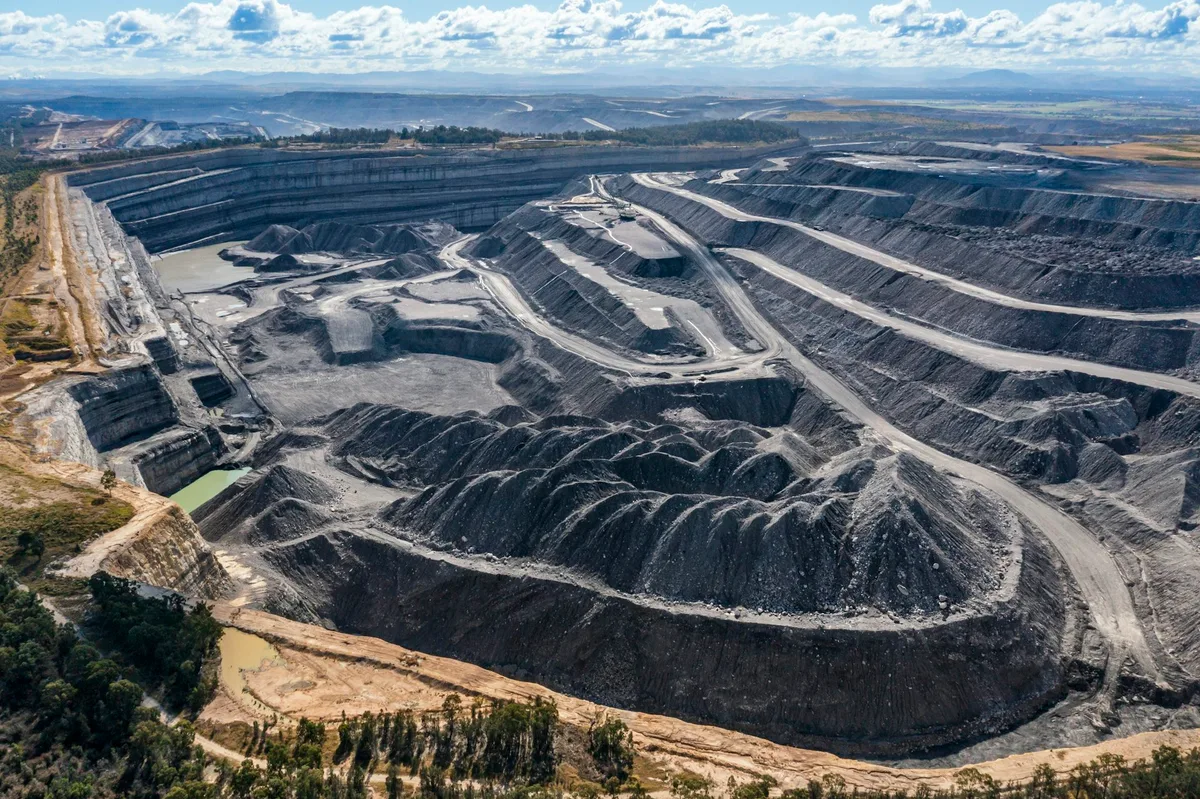
mikulas1/Getty It’s been a big few weeks for coal mines.
Late last month, New South Wales approved the biggest coalmine expansion project in its history, letting Hunter Valley Operations keep digging until 2045.
And last week, the High Court of Australia confirmed that the approval of an expansion to another Hunter Valley mine, Mount Pleasant, was invalid.
The debate over the climate emissions impact of both mines has centred on when their coal is burned overseas.
The High Court found state planners had looked only at the 2% of Mount Pleasant’s emissions released in Australia, and not given enough consideration to the 98% later released when coal is sold and burned in other countries.
But the emissions that coal mines release in Australia matters, too.
They count towards Australia’s climate targets, and Australia is directly responsible for them.
When NSW’s planning commission approved the Hunter Valley Operations mine, it relied heavily on federal rules intended to keep these domestic emissions in check.
But those rules have two problems.
First, the methane from open-cut mines is probably underestimated, as I will explain.
Second, every coal mine gets the same target for its total emissions (mostly methane, plus carbon dioxide), even though underground mines report nearly six times as much in total emissions per tonne of coal.
Federal rules for both estimating methane and setting emissions targets are under review right now.
This is the moment to fix them.
What are the rules? Most emissions from coal mines are methane , a potent greenhouse gas that escapes from coal seams as the coal is dug up.
5News aggregated this summary from the outlet’s public feed. The full article, with all the context, is on theconversation.com — the content belongs to The Conversation Australia.