Electric long-haul trucks could become a reality sooner – if there’s no driver
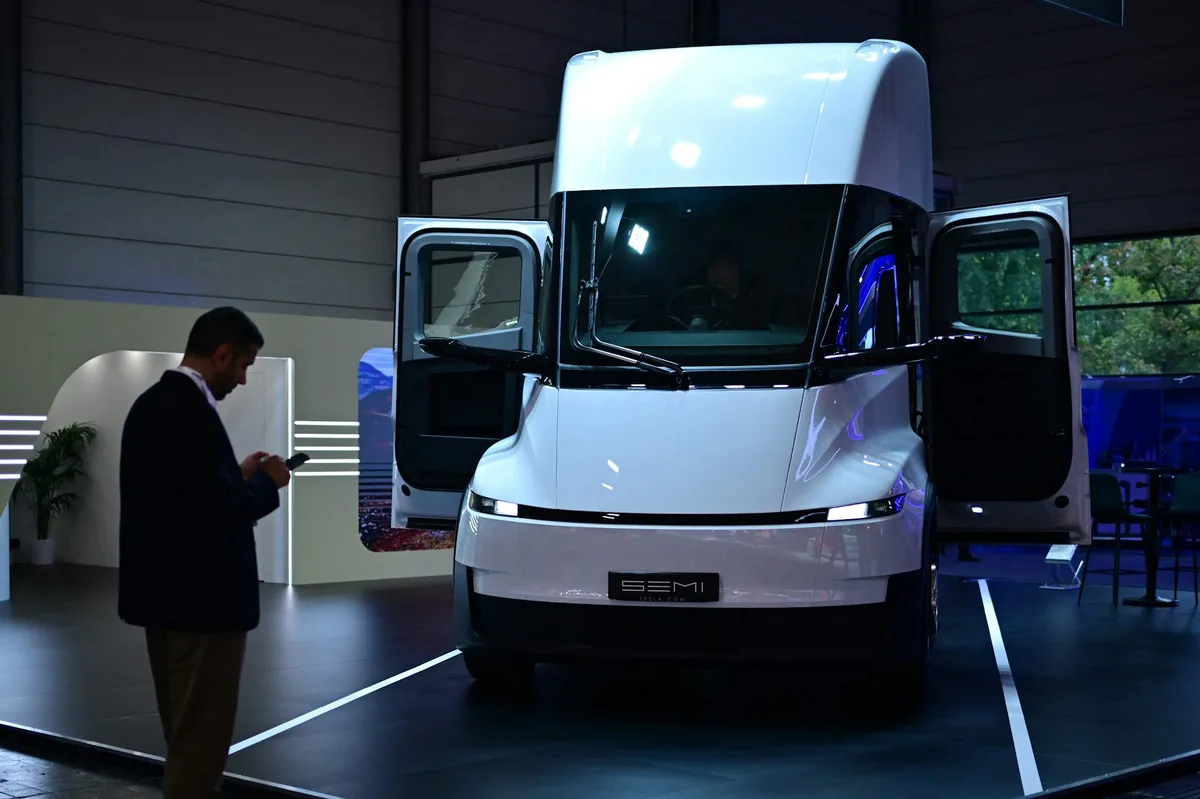
picture alliance/Getty It’s hard to run heavy trucks without fossil fuels – especially in Australia.
They’re big, heavy and cover long distances.
Powering big rigs with today’s batteries suffers from added weight and cost.
Then there’s recharging time.
For smaller trucks covering shorter distances, the task is much easier .
The shift is already on in nations such as China .
But many experts predict long-haul battery-electric trucks won’t beat diesel on total running costs until the 2030s, when battery prices have fallen far enough.
My recent study suggests that timeline could be too pessimistic for one reason – the emergence of driverless trucks, which are being tested on public roads in the United States.
Australia already has a large fleet of driverless trucks carrying ore in the Pilbara .
None are currently on public highways – but that could change.
Late last year, transport ministers agreed to allow conditional deployment on selected public roads beginning in 2027.
So far, public debate has focused on driver jobs and safety.
But there’s a key factor which we’re not talking about – money.
Autonomous trucks change the economics of freight so much they tip the balance in favour of electric.
5News aggregated this summary from the outlet’s public feed. The full article, with all the context, is on theconversation.com — the content belongs to The Conversation Australia.