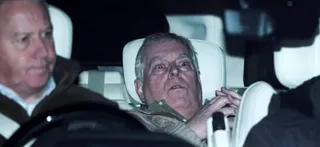
Andrew Mountbatten-Windsor has search warrants quashed by judge as UK police accept error
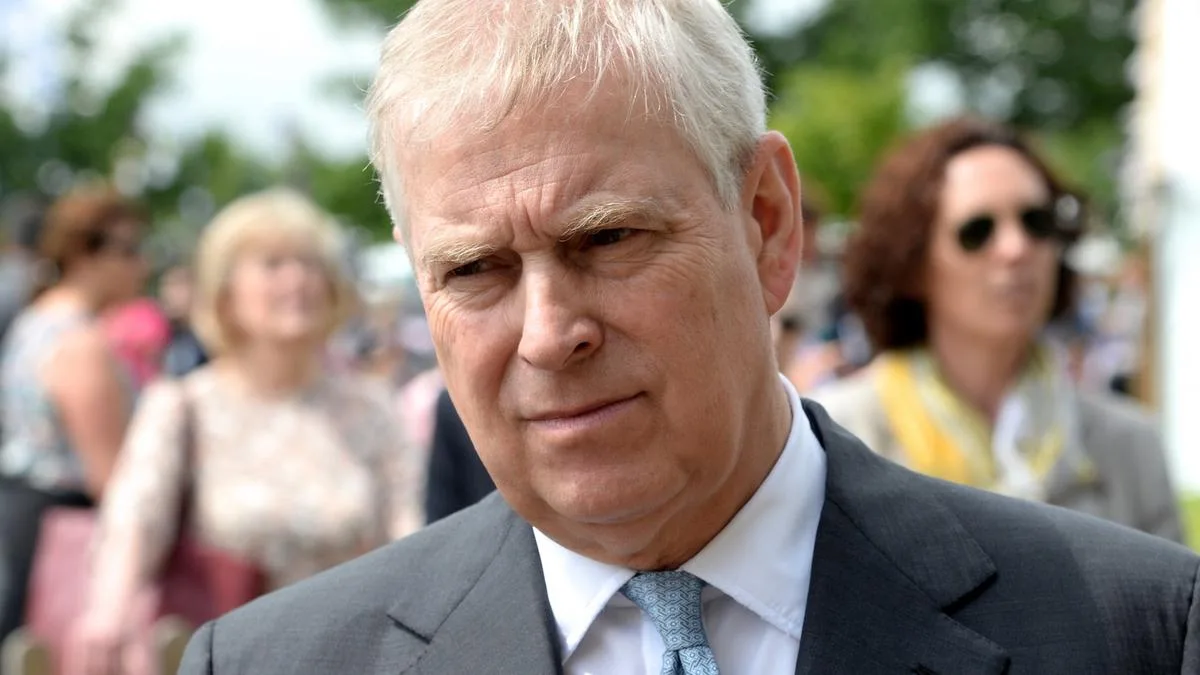
UK police say search warrants they secured to search properties linked to King Charles’ younger brother Andrew Mountbatten-Windsor had been incorrectly granted and must be quashed.
The former prince Andrew was arrested on suspicion of misconduct in public office in February and searches were carried out at properties in Sandringham, eastern England, and Windsor.
Mountbatten-Windsor was suspected of leaking confidential government documents to the late convicted sex-offender Jeffrey Epstein when Mountbatten-Windsor was a United Kingdom trade representative, between 2001 and 2011.
Police have not charged him and Mountbatten-Windsor, the second son of the late Queen Elizabeth, has denied any wrongdoing in relation to Epstein, also saying he regrets their friendship.
Mountbatten-Windsor applied for the search warrants to be quashed and Thames Valley Police said it accepted that they had not been properly granted.
“We accept the position that the initial court’s decision to issue warrants under the specific piece of legislation used was incorrect and therefore these must be legally quashed,” a Thames Valley police spokesperson said.
“Legal proceedings are currently ongoing to decide how material seized during the searches will be managed and whether we can lawfully retain it in support of our ongoing investigation.”
It said its criminal investigation which began after the release of millions of documents by the US Department of Justice relating to Epstein was still ongoing.
Justice Nicholas Hilliard said that the Thames Valley police had made a significant error in applying for the warrant when they searched the properties of Mountbatten-Windsor.
Mountbatten-Windsor was arrested on February 19 on suspicion of misconduct in public office and police searched two of his homes.
His lawyers asked the High Court judge to invalidate the warrants under which those searches were conducted.
Hilliard said the parties had agreed to invalidate the warrants before the hearing on Thursday.
Stephens, of the Howard Kennedy firm in London, described the hearing as a preliminary skirmish in the broader legal battle.
“It’s the first step of Prince Andrew and his lawyers saying, ‘Actually, this is tainted evidence. It was obtained inappropriately,’’’ Stephens said.
5News aggregated this summary from the outlet’s public feed. The full article, with all the context, is on www.perthnow.com.au — the content belongs to PerthNow.