Parasite linked to ‘mushy fish’ could be much more widespread than thought
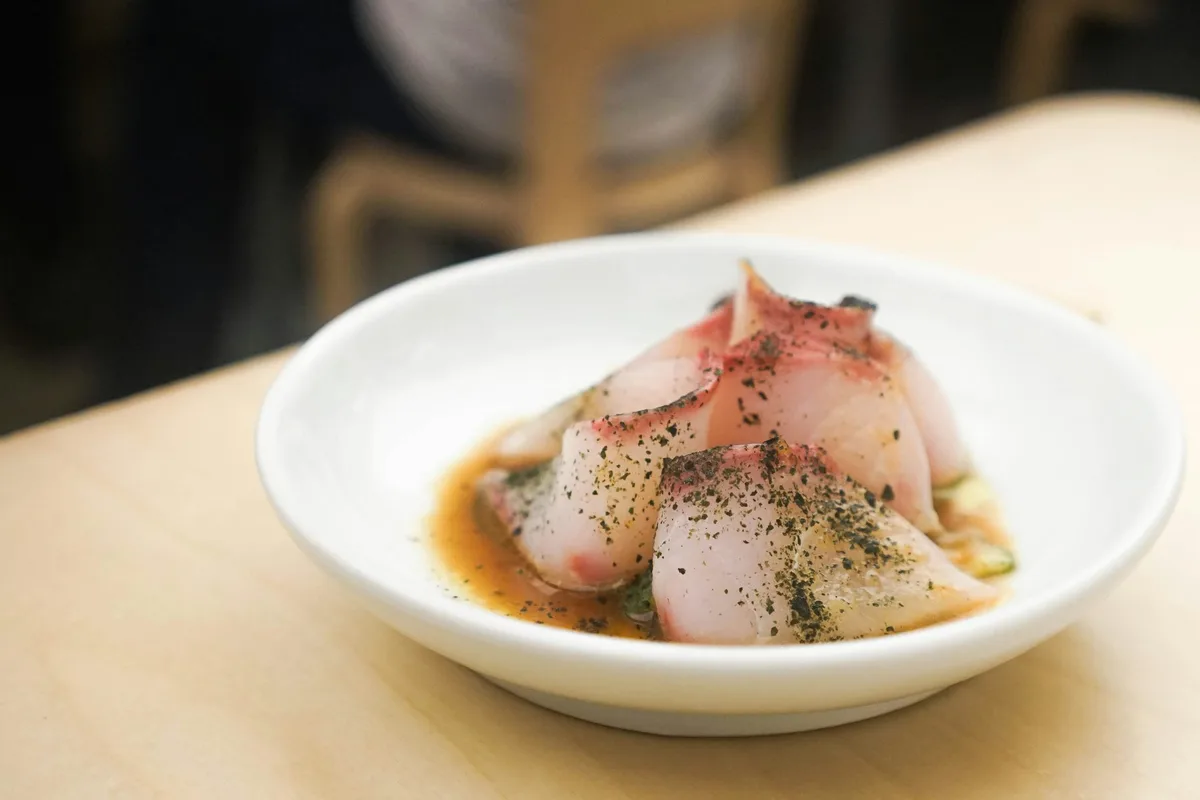
Jowena Chua/Getty Images If you’re a keen angler and regularly catch yellowtail kingfish ( Seriola lalandi ), you may have encountered instances of the fish’s flesh turning mushy and unpalatable once cooked.
Some have said it’s a bit like trying to eat wet newspaper.
This can be disappointing for the angler and for the hungry guests you’ve invited to dinner.
It is also a waste of food – and of the fish’s life.
It’s often hard to pinpoint which fish will turn mushy when cooked as they can look, smell and taste the same when raw, such as when served as sashimi.
The issue only appears once the fish is cooked or prepared as ceviche.
In other words, you need heat or a pH change for the problem to reveal itself.
The mushy flesh problem is associated with the parasite Unicapsula seriolae but it’s too soon to say it’s definitely the cause – that research hasn’t been done yet.
What we do know is that this parasite shows up in a lot of kingfish that turn mushy when cooked.
Now, our research suggests infection with Unicapsula seriolae may be more widespread than first thought.
In fact, we found even flesh that doesn’t go mushy after cooking can still be infected.
Mushy kingfish and parasite infection in NSW I’ve been fascinated by the mushy kingfish problem for over 15 years now, following my own encounters in the waters off Sydney, the mid north coast of New South Wales, and at the dinner table.
There are reports dating back to the 1990s of people in NSW catching kingfish that later turns mushy when cooked.
But our research wanted to go beyond anecdotal evidence, so we scientifically tested for and detected this parasite in kingfish caught in NSW.
5News aggregated this summary from the outlet’s public feed. The full article, with all the context, is on theconversation.com — the content belongs to The Conversation Australia.